Vehicle maintenance is an essential part of responsible car ownership. While regular servicing provides a structured opportunity for professional checks and scheduled work, ongoing maintenance involves the wider care a vehicle needs throughout the year. Understanding maintenance schedules, records, preventive checks and common terminology can help UK drivers manage their vehicles more confidently.
Good maintenance is not about attempting complex mechanical work yourself. Instead, it is about knowing what needs monitoring, understanding when professional attention may be appropriate and keeping accurate records of the work carried out. This makes it easier to plan vehicle care and communicate clearly with automotive professionals.
What Is Vehicle Maintenance?
Vehicle maintenance refers to the ongoing care, inspection and upkeep of a vehicle. It can include routine checks, scheduled servicing, replacement of maintenance items and attention to developing problems.
Some maintenance activities are determined by the vehicle manufacturer’s recommendations, while others relate to everyday observations. For example, a driver may notice a warning light, unusual noise or change in vehicle behaviour and arrange a professional inspection.
Maintenance is therefore broader than a single garage appointment. It is an ongoing process that continues throughout the vehicle’s ownership.
Why Vehicle Maintenance Matters
Regular vehicle care gives drivers a better opportunity to identify maintenance needs before they become more disruptive. It also helps maintain a clear record of work that has already been completed.
A maintenance routine can help you:
- Keep track of scheduled servicing and maintenance.
- Monitor the general condition of the vehicle.
- Identify unusual changes that may require attention.
- Maintain useful ownership records.
- Plan future maintenance more effectively.
- Communicate more clearly with garages and technicians.
However, maintenance should not be viewed as a guarantee against faults. Mechanical and electronic components can fail unexpectedly, even when a vehicle has been maintained properly.
Understanding a Vehicle Maintenance Schedule
A vehicle maintenance schedule provides guidance about when particular checks and maintenance tasks should be completed. Depending on the vehicle, recommendations may be based on mileage, time or a combination of both.
The manufacturer’s maintenance information should be the primary reference for vehicle-specific requirements. Different engines, models and vehicle generations can have different servicing and maintenance intervals.
Some vehicles also provide service reminders through their onboard systems. These reminders can be useful, but drivers should still understand the underlying maintenance requirements rather than relying exclusively on a dashboard message.
Our guide to car servicing explains how service schedules, interim services, full services and major services fit into wider vehicle care.
Vehicle Maintenance and Preventive Maintenance
Preventive maintenance focuses on planned care intended to reduce the likelihood of avoidable problems. It involves following recommended maintenance intervals and paying attention to the condition of components that require regular inspection or replacement.
The principle is straightforward: do not wait for every maintenance requirement to become an obvious fault. Instead, follow the appropriate schedule and respond to changes in the vehicle’s condition.
Everyday observations can also be valuable. Drivers should take warning lights, unusual noises, fluid leaks, changes in braking behaviour or other unexpected symptoms seriously and seek appropriate professional advice when necessary.
Routine Checks
Routine checks can form an important part of vehicle ownership. Depending on the vehicle and circumstances, drivers may monitor tyre condition and pressure, lights, fluid levels and visible signs of damage.
These checks do not replace professional servicing or inspections. Their purpose is to help drivers remain aware of changes between scheduled maintenance visits.
Following Manufacturer Guidance
Manufacturer recommendations are particularly important because maintenance requirements vary between vehicles. Always consult the relevant handbook or official vehicle information when determining what maintenance is required.
Where a maintenance task is beyond your skills or requires specialist equipment, a qualified automotive professional should handle it.
Keeping Vehicle Maintenance Records
Accurate records are one of the most useful parts of a long-term maintenance plan. A record can show when a service was completed, what work was carried out and whether particular components have previously been replaced or inspected.
Maintenance documentation can include service invoices, repair invoices, inspection notes and other relevant ownership records. Keeping these documents organised reduces the need to rely on memory.
A simple record might contain:
- Date of the maintenance or service.
- Vehicle mileage at the time.
- Type of work completed.
- Parts or components replaced.
- Recommendations made by the garage.
- Details of follow-up work that may be required.
When records are maintained consistently, they create a useful picture of the vehicle’s maintenance history.
Digital Service History and Maintenance Documentation
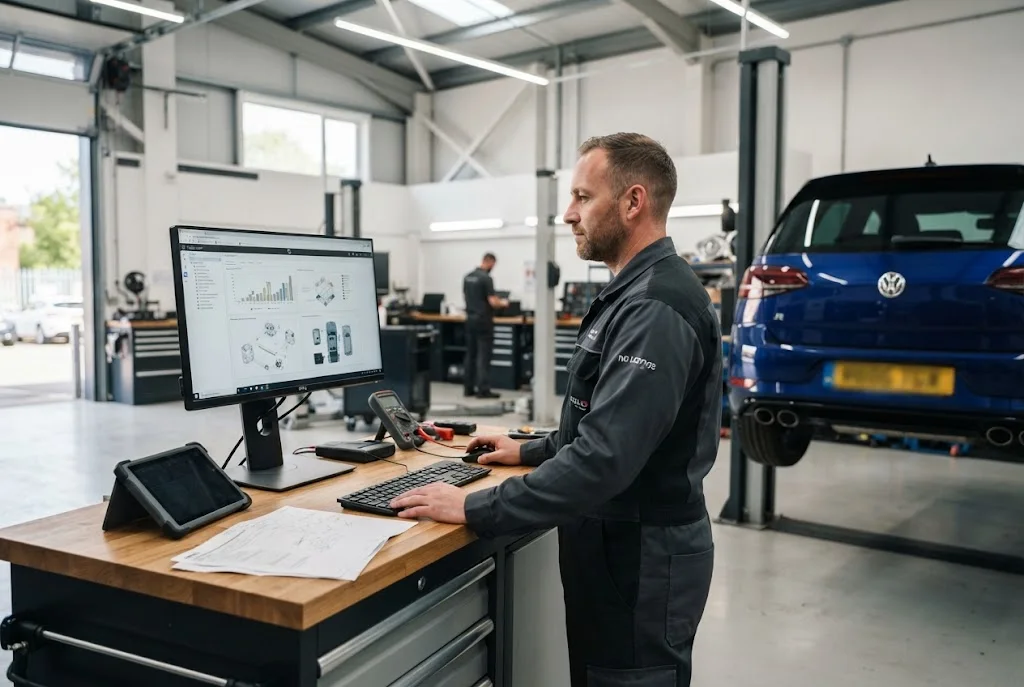
Vehicle records are increasingly available in digital formats. Depending on the manufacturer and service provider, a vehicle may have a digital service history rather than relying entirely on a traditional paper service book.
Digital records can make service information easier to retrieve, particularly when maintenance is carried out through participating garages or manufacturer networks. Nevertheless, owners should retain relevant invoices and supporting documentation where appropriate.
Keeping both digital records and important paperwork can provide additional protection against gaps in the vehicle history.
Vehicle Maintenance and Auto Services
Vehicle maintenance sits within the broader world of auto services. Servicing, inspections, diagnostics, repairs and other professional work can all contribute to maintaining a vehicle.
Understanding this wider relationship is useful because not every maintenance issue requires the same type of automotive service. A scheduled service may address routine maintenance, while an unexpected warning light could require diagnostic investigation.
Similarly, a worn or failed component may require a repair rather than routine servicing. Our guide to auto services provides a broader introduction to servicing, maintenance, repairs and automotive terminology.
When Vehicle Maintenance Leads to Repairs
Routine checks and servicing can sometimes reveal a problem that needs repair. For example, a technician may identify component wear or another issue while carrying out scheduled maintenance.
It is useful to ask the garage to distinguish between work that is part of the planned service and additional repairs that have been identified. This makes the quotation easier to understand and helps you decide how to proceed.
When discussing repair work, ask what has been identified, how it was diagnosed and whether the work is urgent. You can also ask for the recommended repair to be documented.
Our dedicated guide to auto repair services explores repair reports, technician notes, repair records and workshop communication in more detail.
Vehicle Maintenance and MOT Requirements
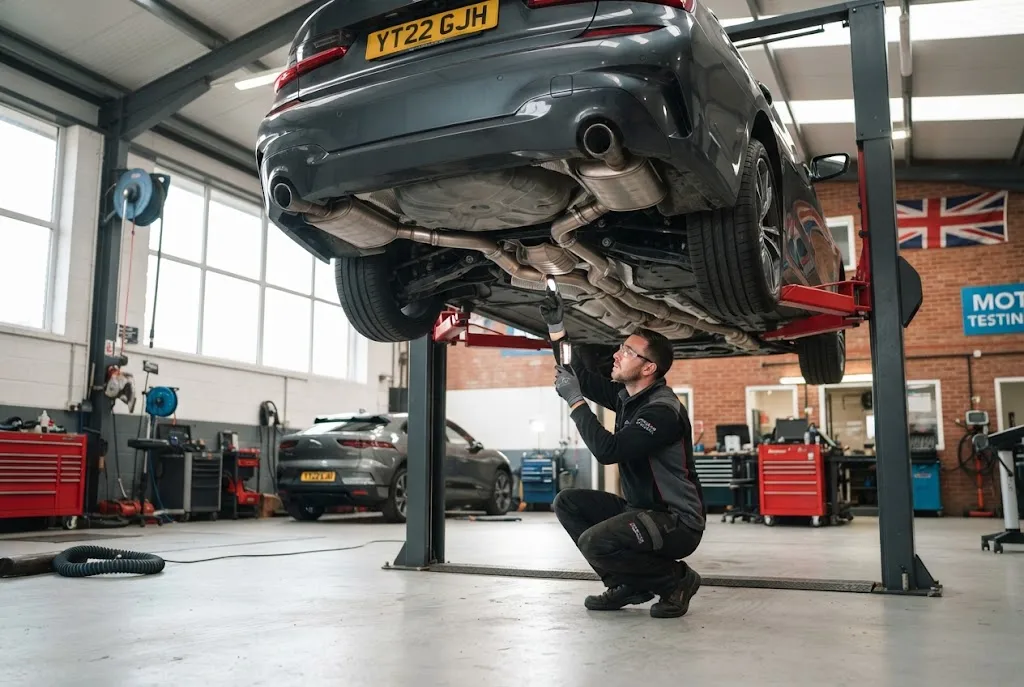
Vehicle maintenance and MOT testing are connected, but they are not the same thing. An MOT assesses specified legal safety and environmental requirements at the time of the test. It does not represent a complete inspection of every mechanical aspect of a vehicle.
GOV.UK states that a vehicle can be unsafe even if it has a current MOT certificate. The government also recommends checking the vehicle’s condition before driving and explains that the MOT does not cover every part of a vehicle. The official vehicle safety guidance provides further information.
This is why drivers should not treat a recent MOT pass as a replacement for ongoing maintenance. A vehicle can pass its MOT and still require routine servicing or attention to issues outside the test’s scope.
For a closer look at the relationship between maintenance records, servicing and MOT documentation, see our guide to MOT and service.
Planning Vehicle Maintenance
Good service planning does not have to be complicated. Start by checking the manufacturer’s recommended maintenance schedule and reviewing the vehicle’s existing records.
Next, note upcoming service requirements and any recommendations made during previous inspections. If the vehicle has developed a new symptom, record when you first noticed it and the conditions in which it occurs.
This information can make your next conversation with a garage more productive. It also gives you a clearer understanding of which maintenance tasks are planned and which issues have appeared unexpectedly.
Create a Simple Maintenance Calendar
A basic calendar can help you keep track of service dates, mileage-based requirements and other recurring maintenance tasks. Digital reminders can be useful for time-based appointments, while the vehicle’s mileage can be recorded alongside each service.
Keeping everything in one place reduces the risk of overlooking scheduled maintenance.
Review Records Before Booking Work
Before approving a service or repair, review previous records if they are available. You may discover that a component was recently replaced or that a recommendation was already recorded for future attention.
This can prevent unnecessary confusion and help the garage understand the vehicle’s history.
Common Vehicle Maintenance Terms
Understanding basic maintenance terminology can make automotive communication easier. Terms such as maintenance schedule, preventive maintenance, maintenance records, digital service history and service planning appear regularly in vehicle ownership discussions.
It is also helpful to understand the distinction between maintenance and repairs. Maintenance generally refers to planned care and upkeep, while repair work responds to an identified fault, failure or damaged component.
When a technician uses terminology you do not understand, ask for a plain-language explanation. Clear communication is more important than knowing every technical term.
Vehicle Maintenance for Long-Term Ownership
Long-term vehicle ownership becomes easier when maintenance is treated as a continuous process rather than an occasional task. Keeping records, following the appropriate schedule and paying attention to changes in vehicle behaviour can create a more organised approach to ownership.
It is also worth remembering that maintenance requirements can change as a vehicle ages. Components may naturally wear, and older vehicles may require different types of attention from newer ones. Manufacturer guidance and professional advice remain important when deciding what work is appropriate.
Final Thoughts on Vehicle Maintenance
Vehicle maintenance provides the foundation for organised and informed car ownership. By following the manufacturer’s maintenance schedule, keeping accurate records and responding appropriately to signs of potential problems, drivers can manage their vehicles more effectively.
Maintenance should be considered alongside servicing, repairs and MOT requirements rather than as a substitute for any of them. Each plays a different role in the wider vehicle-care process.
Most importantly, good maintenance documentation gives you a reliable history of what has been done. Whether you are planning the next service, discussing a repair with a garage or reviewing the vehicle’s ownership history, accurate records make those decisions easier.