Auto exhaust repair is an important part of vehicle maintenance because the exhaust system does much more than carry gases away from the engine. It helps manage exhaust gases, supports emissions control and contributes to quieter, cleaner vehicle operation. When an exhaust component becomes damaged, corroded or loose, the problem can affect noise, emissions and vehicle performance.
For UK drivers, understanding the basics of exhaust systems makes it easier to recognise warning signs and communicate with a garage. From exhaust terminology and catalytic converters to repair, replacement and routine maintenance, this guide explains the main points drivers should know.
What Does an Exhaust System Do?
An exhaust system collects and directs gases produced during the combustion process away from the engine and passengers. Along the way, different components can help reduce noise and manage certain pollutants before the gases leave the vehicle.
The exact design varies between vehicles. Modern cars can include multiple exhaust components, sensors and emissions-control equipment working together. This means a problem that initially appears to be a simple exhaust noise can sometimes involve another part of the system.
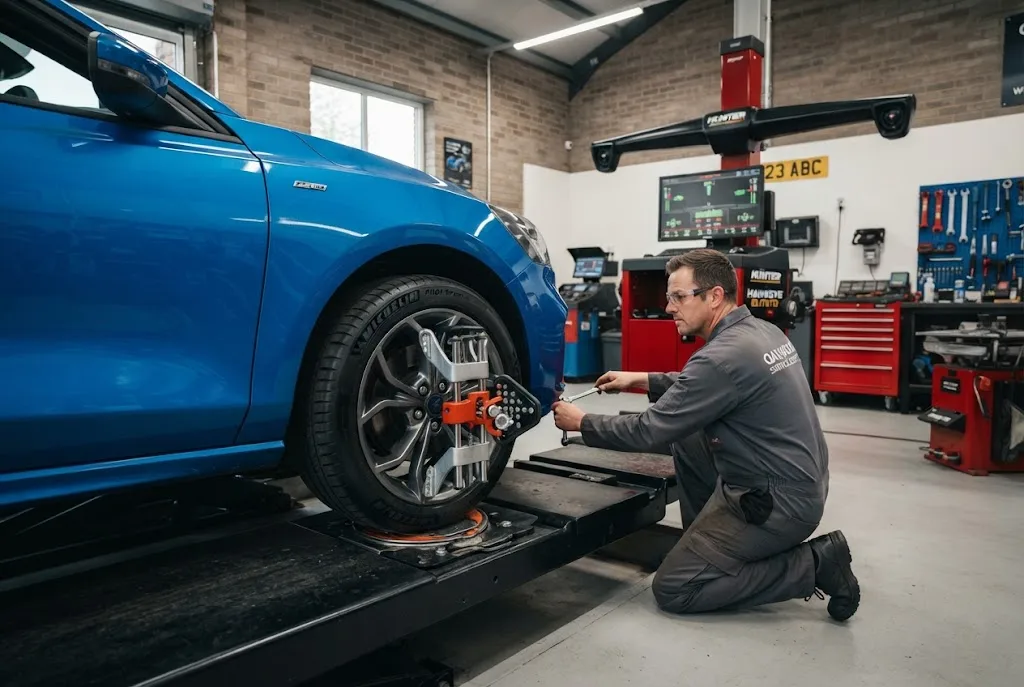
The exhaust system is also separate from other vehicle maintenance areas. For example, drivers researching wheel alignment are dealing with steering and wheel geometry rather than exhaust components. Keeping these systems distinct makes vehicle maintenance easier to understand.
Auto Exhaust Repair Explained
Auto exhaust repair generally involves identifying a damaged or defective exhaust component and determining whether it can be repaired or needs replacement. The appropriate solution depends on the location and severity of the damage, the condition of the surrounding components and the vehicle’s design.
Common exhaust problems can include holes, cracks, loose components, damaged hangers and corrosion. A garage may inspect the system visually and investigate unusual noises or other symptoms before recommending the appropriate repair.
Not every exhaust issue requires an entire system replacement. In some circumstances, a particular component can be repaired or replaced separately. The correct approach depends on the condition of the vehicle and the component involved.
Common Exhaust Terminology
Exhaust terminology can seem complicated when a technician explains a fault. Understanding several common terms can make those conversations easier.
Exhaust Manifold
The exhaust manifold collects exhaust gases from the engine’s cylinders and directs them towards the rest of the exhaust system. Its position and design vary according to the engine.
Catalytic Converter
A catalytic converter is an emissions-control component designed to help reduce certain harmful pollutants in exhaust gases. It forms an important part of the emissions system on many modern petrol and diesel vehicles.
Silencer
The silencer, commonly called a muffler in some markets, helps reduce exhaust noise. Damage can result in a noticeably louder vehicle.
Exhaust Pipe
Exhaust pipes connect the different parts of the system and provide a route for gases to travel through the vehicle and eventually exit at the tailpipe.
The Exhaust Hangers
Hangers and mounting components support the exhaust system underneath the vehicle. A damaged hanger can allow part of the system to move or sit incorrectly.
Signs You May Need Exhaust Repair
Exhaust problems can present themselves in several ways. Some are obvious, while others may become noticeable gradually.
- Unusual exhaust noise: A sudden increase in noise can indicate a hole, crack or damaged silencing component.
- Rattling underneath the vehicle: Loose or damaged components may create rattling sounds, particularly over uneven roads.
- Visible exhaust damage: Corrosion, holes or damaged mounting points may be visible during an inspection.
- Changes in emissions-related warning lights: A dashboard warning can indicate an issue involving an emissions-control system and should be investigated.
- Unusual exhaust odours: Changes in exhaust smell should not be ignored, particularly if fumes appear to be entering the cabin.
These symptoms do not identify a specific fault on their own. For example, unusual engine sounds or warning lights can have causes unrelated to the exhaust. A qualified inspection is therefore important before deciding which component needs repair.
Exhaust Repair vs Exhaust Replacement
One of the most common questions drivers have is whether an exhaust should be repaired or replaced. There is no universal answer because the right solution depends on the condition of the affected component.
A localised problem involving a replaceable component may be addressed without replacing the entire system. However, extensive corrosion or damage may make component replacement more appropriate. A technician can assess the condition of the system and explain the available options.
It is also worth considering the condition of surrounding components. Replacing one damaged part does not necessarily address other sections that are already significantly worn.
Understanding Catalytic Converters
Catalytic converters are an important part of many modern emissions systems. They use chemical reactions to help convert certain pollutants in exhaust gases into less harmful substances.
Because catalytic converters are connected with emissions control, problems involving them should be properly diagnosed rather than treated as ordinary exhaust noise. A warning light, poor running condition or emissions-related fault can have several possible causes.
Replacing an expensive emissions component without establishing the underlying fault may not resolve the original problem. Proper diagnosis can therefore be an important part of exhaust servicing.
Exhaust Systems and UK Emissions Standards
Modern vehicles are designed to meet applicable emissions requirements, and emissions-control equipment forms part of that system. The exact requirements depend on the vehicle, its age, fuel type and applicable UK regulations.
The UK government’s MOT guidance explains that vehicles are checked during the MOT test for a range of safety and environmental requirements. Exhaust and emissions-related defects can therefore be relevant when a vehicle is inspected.
Drivers should not remove or deliberately disable emissions-control equipment simply because they believe it may improve vehicle performance. Such modifications can affect compliance, emissions performance and the vehicle’s ability to meet applicable inspection requirements.
Why Exhaust Maintenance Matters
Routine exhaust maintenance is mainly about identifying problems before they become more extensive. Corrosion, loose mounts and small areas of damage can become more noticeable over time, particularly on vehicles exposed to demanding road and weather conditions.
A visual inspection can help identify obvious problems, although not every fault will be visible without specialist equipment or access underneath the vehicle.
Maintenance should also be considered alongside other service requirements. For example, transmission components have their own servicing needs, which is why understanding auto transmission service can help drivers distinguish drivetrain maintenance from exhaust work.
What Happens During an Exhaust Inspection?
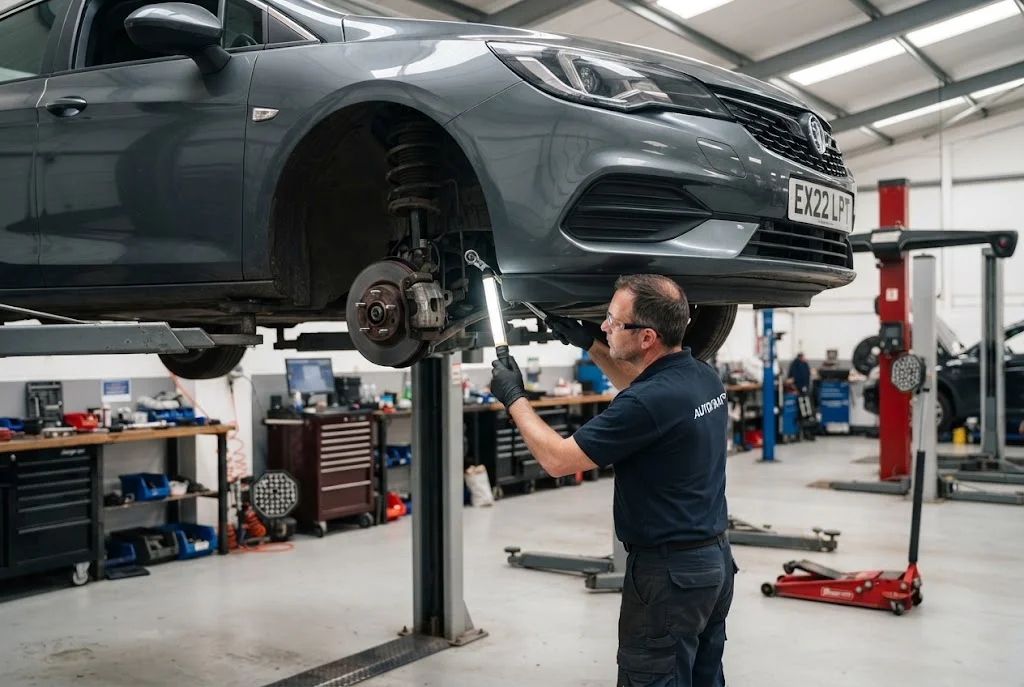
A typical inspection begins with an assessment of the vehicle and the symptoms reported by the driver. The technician may listen for unusual sounds, inspect visible components and examine the exhaust system for signs of corrosion, cracks, holes or damaged mounts.
Depending on the symptoms, additional diagnostic checks may be necessary. If a warning light is present, diagnostic equipment may help identify stored fault information related to the engine or emissions system.
The technician can then determine whether the issue relates to a specific exhaust component or whether further investigation is required elsewhere on the vehicle.
How to Look After Your Exhaust System
There is no maintenance routine that can prevent every exhaust problem, but sensible vehicle care can help drivers identify issues early.
- Pay attention to sudden changes in exhaust noise.
- Investigate unusual rattles or vibrations from underneath the vehicle.
- Do not ignore emissions-related dashboard warning lights.
- Have visible corrosion or damage assessed professionally.
- Follow the vehicle manufacturer’s recommended servicing schedule.
- Use a qualified garage when exhaust or emissions components require diagnosis or replacement.
It is also useful to keep records of completed repairs and inspections. Good automotive documentation can help establish what work has previously been carried out and can make future service discussions clearer.
Exhaust Problems and Vehicle Comfort
An exhaust fault can affect more than the sound of a vehicle. Depending on the nature and location of the problem, drivers may notice changes in noise, vibration or the smell around the vehicle.
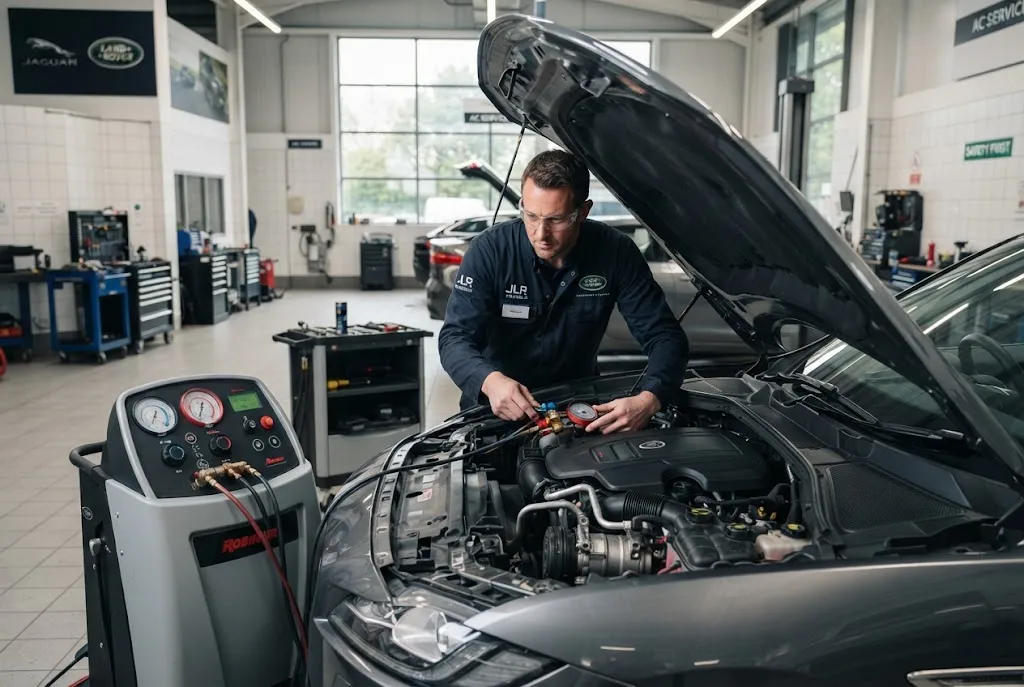
Cabin comfort also depends on other systems. For example, drivers researching auto air conditioning service are looking at climate-control and refrigerant-system maintenance rather than exhaust repairs. Separating these systems helps avoid confusing unrelated symptoms.
When Should You Visit a Garage?
A professional inspection is sensible when an exhaust suddenly becomes louder, starts rattling, shows visible damage or produces an unusual smell. Drivers should also seek advice when an emissions-related warning appears on the dashboard.
Prompt attention can help establish the cause before a minor component problem develops into a larger repair. More importantly, suspected exhaust faults should not be ignored if there is any concern that fumes could enter the passenger compartment.
Final Thoughts on Auto Exhaust Repair
Auto exhaust repair covers a broad range of work, from addressing damaged pipes and mounting components to diagnosing problems involving catalytic converters and emissions systems. The right repair depends on the specific vehicle and the condition of its exhaust components.
For UK drivers, the most useful approach is to pay attention to changes in noise, rattling, warning lights, visible damage and unusual smells. Understanding basic exhaust terminology also makes it easier to discuss repairs with a technician and understand why a particular component may need attention.
Regular inspections, appropriate maintenance and accurate repair records can all contribute to better vehicle care. When an exhaust problem appears, proper diagnosis is usually the best starting point rather than assuming that the entire system needs replacement.