Auto transmission service is an important part of maintaining a vehicle’s drivetrain, particularly as the gearbox handles the transfer of engine power to the wheels. Whether a car uses a conventional automatic gearbox, manual transmission or another transmission design, proper maintenance can help identify developing problems before they become more serious.
Drivers may notice transmission problems through delayed gear changes, unusual noises, slipping, difficulty selecting gears or fluid leaks. However, not every change in vehicle behaviour means the gearbox itself has failed. Understanding basic transmission terminology, fluid requirements, diagnostics and servicing procedures can help UK drivers make more informed maintenance decisions.
What Is an Auto Transmission Service?
An auto transmission service involves inspecting and maintaining the components responsible for transferring engine power through the vehicle’s drivetrain. Depending on the vehicle and manufacturer’s maintenance schedule, this may include checking transmission fluid, inspecting for leaks, assessing gearbox operation and carrying out a transmission oil change where specified.
The exact service procedure varies considerably between vehicles. Some transmissions have serviceable fluid and filters, while others have different maintenance requirements. For that reason, the manufacturer’s specifications should be used rather than assuming that every gearbox requires the same type of service.
The AA’s servicing guidance lists gearbox oil and axle or transaxle oil among the checks that may form part of a full service, while also emphasising following the manufacturer’s service schedule.
Understanding Transmission Terminology
Transmission terminology can make garage conversations confusing, especially when different types of gearboxes use different components and maintenance procedures.
Gearbox
The gearbox contains the gears and associated mechanisms that allow engine power to be delivered to the wheels at different ratios. The design differs between manual, automatic and other transmission systems.
Transmission Fluid
Transmission fluid performs several functions depending on the transmission design. It can lubricate components, help control hydraulic functions and assist with heat management. The correct fluid type and specification are essential because fluids are not universally interchangeable.
Automatic Gearbox
An automatic gearbox changes ratios without requiring the driver to operate a conventional manual clutch and gear lever in the same way as a traditional manual vehicle. Modern automatic transmissions can use complex hydraulic, electronic and mechanical systems to control shifting.
Drivetrain
The drivetrain refers more broadly to the components that transmit power from the engine or motor to the driven wheels. Depending on the vehicle, this can include the transmission, driveshafts, differentials and related components.
Why Transmission Fluid Matters
Transmission fluid is an important part of many gearbox designs. Its condition, level and specification can affect how the transmission operates.
Low or contaminated fluid can contribute to shifting problems. The AA notes that low or contaminated transmission fluid can be one possible reason a vehicle may struggle to engage reverse gear.
However, fluid condition is only one possible cause of transmission problems. A vehicle that develops shifting difficulties may have an electrical, mechanical, hydraulic or control-system fault. Simply adding fluid without identifying the underlying problem may therefore be inappropriate.
Transmission fluid can also deteriorate through use and heat exposure. Whether it should be changed, inspected or left in place depends on the specific gearbox and manufacturer’s requirements.
What Is a Transmission Oil Change?
A transmission oil change involves removing and replacing transmission fluid according to the appropriate procedure for the vehicle. The terminology varies because some manufacturers refer to the lubricant as transmission fluid while others may use terms such as gearbox oil.
The process can involve draining old fluid, replacing a filter or sealing component where applicable, refilling with the specified fluid and checking the final level under the correct conditions.
Some modern transmissions require precise fluid-level procedures involving specific temperatures or diagnostic equipment. This is one reason why transmission servicing should follow vehicle-specific instructions rather than relying on a universal procedure.
Signs Your Gearbox May Need Attention
Transmission problems can develop gradually or appear suddenly. Several symptoms deserve attention, particularly if they represent a noticeable change from the vehicle’s normal behaviour.
- Delayed gear engagement: A noticeable delay when selecting drive or reverse may require investigation.
- Harsh gear changes: Abrupt or unusually firm shifts can indicate a transmission or control issue.
- Slipping: If engine speed rises without the expected increase in vehicle speed, a transmission problem may be involved.
- Unusual noises: Whining, humming, clunking or grinding sounds may indicate a problem, although other drivetrain components can create similar noises.
- Fluid leaks: Fluid underneath the vehicle can indicate a leak from the transmission or another component.
- Difficulty selecting gears: Problems engaging particular gears can have several possible causes and should be diagnosed professionally.
These symptoms do not automatically confirm gearbox failure. Clutch components, driveshafts, engine management systems and other drivetrain parts can produce similar symptoms. Proper diagnosis is therefore important.
Manual vs Automatic Transmission Maintenance
Manual and automatic transmissions operate differently, so their maintenance requirements are not identical.
A manual gearbox normally works with a driver-operated clutch and mechanical or hydraulic gear-selection system. Automatic transmissions use more complex combinations of mechanical components, hydraulic circuits and electronic controls, depending on the design.
Some vehicles use continuously variable transmissions or dual-clutch systems, each with their own maintenance requirements and approved fluids.
Consequently, a general gearbox service procedure should never be assumed to apply to every vehicle. The transmission type and manufacturer’s specifications should be established before any fluid or component work begins.
What Happens During Auto Transmission Service?
A professional service generally starts with an assessment of the transmission and the symptoms reported by the driver.
Initial Inspection
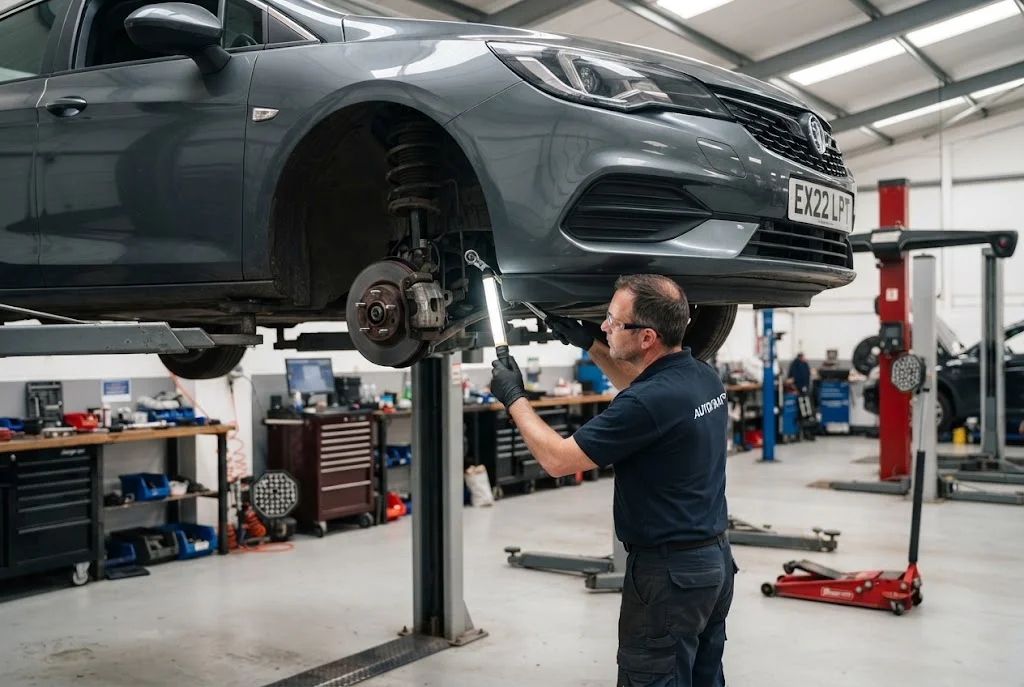
The technician may inspect the gearbox casing, accessible seals, transmission lines, mounting points and surrounding components for signs of leakage or damage.
Fluid Inspection
Where the design permits inspection, the technician may assess fluid level and condition. The correct procedure depends on the gearbox and can require specific operating temperatures or vehicle positions.
Diagnostic Testing
Modern transmissions can contain electronic control modules and sensors. Diagnostic equipment may be used to identify stored fault information and help establish whether a problem is mechanical, electrical or control-related.
Fluid and Filter Service
Where required by the manufacturer’s maintenance procedure, the technician may replace transmission fluid and a serviceable filter. Any seals, gaskets or related components that require replacement should be handled according to the relevant specifications.
Final Checks
After servicing or repairs, the vehicle may be road-tested or otherwise assessed to confirm that the transmission operates correctly and that there are no obvious leaks or abnormal symptoms.
Gearbox Diagnostics and Modern Vehicles
Gearbox diagnostics have become increasingly important because modern transmissions can rely heavily on electronic controls. A warning light or unusual shift pattern may be connected to a sensor, wiring issue, control module or software-related fault rather than a mechanical gearbox failure.
Diagnostic equipment can provide useful information, but scan results should not automatically be treated as a complete diagnosis. A stored fault code identifies an area requiring investigation; additional testing may be needed to establish the actual cause.
This distinction can help prevent unnecessary replacement of expensive transmission components.
Auto Transmission Service and Vehicle Maintenance
Transmission maintenance should form part of a broader vehicle-care routine. Other systems have separate service requirements and should not be confused with gearbox work.
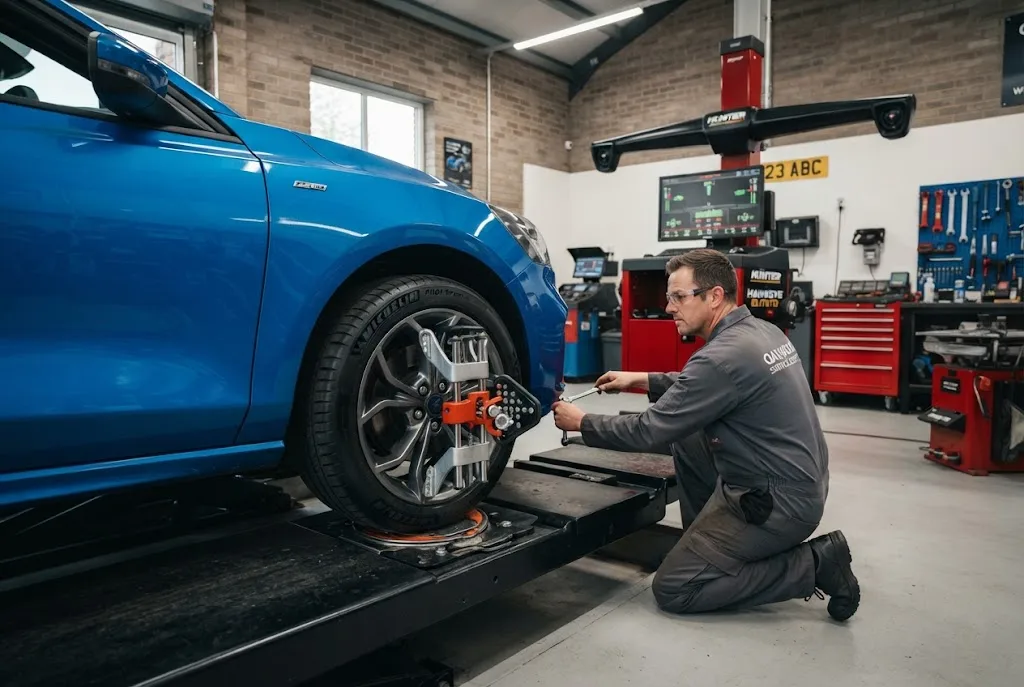
For example, wheel alignment concerns steering geometry, wheel angles and tyre wear, while auto exhaust repair focuses on exhaust components and emissions systems.
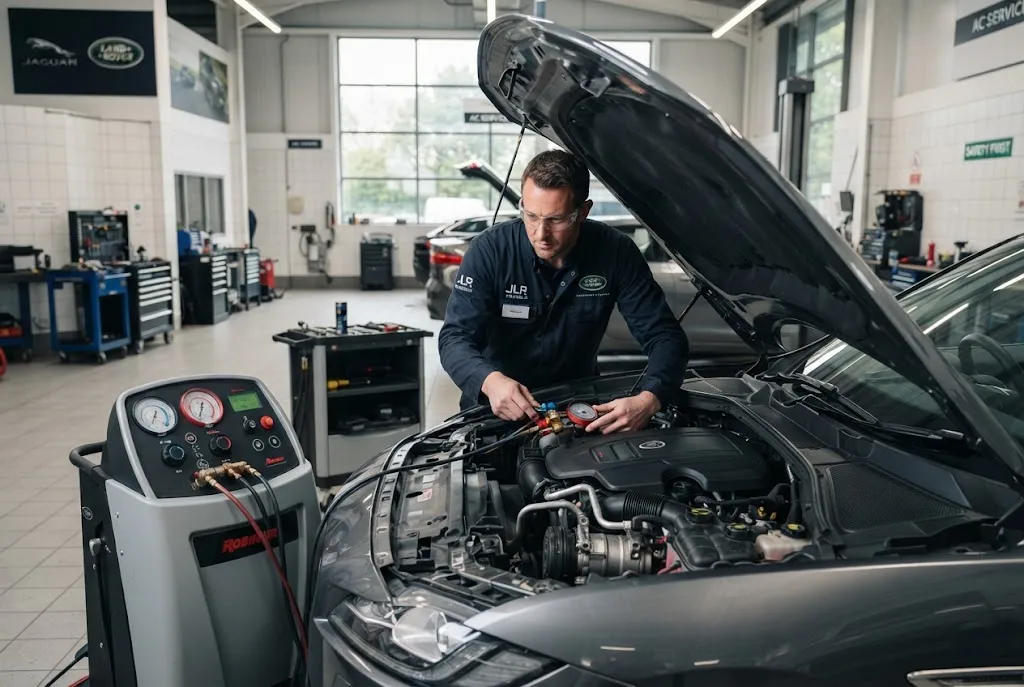
Similarly, drivers who need information about cabin climate systems can explore auto air conditioning service. Treating each system according to its own maintenance requirements makes it easier to create an organised servicing routine.
Does Every Gearbox Need a Fluid Change?
No single answer applies to every vehicle. Some manufacturers specify transmission-fluid replacement at particular intervals, while other designs have different requirements. Certain transmissions may be described as having long-life or non-serviceable fluid, although that terminology does not mean every vehicle will have identical maintenance needs.
The safest approach is to check the manufacturer’s service information for the exact vehicle. A garage should also be able to explain why a fluid change is being recommended and which fluid specification will be used.
Using the wrong transmission fluid can cause operational problems, so fluid selection should never be based solely on appearance or general assumptions about the vehicle.
Transmission Service and the UK MOT
It is important to understand the difference between routine servicing and the statutory MOT test in Great Britain. GOV.UK states that the MOT does not cover the condition of the engine, clutch or gearbox.
However, the MOT inspection manual does include certain transmission-related components, such as prop shafts, drive shafts, couplings, bearings and drive chains or belts, where applicable. It specifies defect categories for conditions such as excessive wear or components likely to fail.
This means passing an MOT should not be treated as confirmation that a gearbox is fully serviced or mechanically perfect. An MOT and a manufacturer’s servicing programme have different purposes.
How to Protect Your Transmission
Good driving and maintenance habits can help owners identify problems early and follow the correct service schedule.
- Follow the manufacturer’s recommended transmission maintenance schedule.
- Use only the specified transmission fluid.
- Investigate fluid leaks promptly.
- Pay attention to changes in shifting behaviour.
- Do not ignore repeated transmission warning lights.
- Have unusual drivetrain noises professionally assessed.
- Keep records of transmission services and repairs.
Maintaining accurate automotive documentation can make it easier to establish when a gearbox was inspected, which fluid was used and what repairs have previously been completed.
When Should You Book a Gearbox Service?
A gearbox service may be appropriate when the manufacturer’s maintenance schedule calls for one or when a technician identifies a transmission-related issue. It can also be sensible to arrange an inspection if the vehicle develops new shifting behaviour, fluid leakage or unusual drivetrain noises.
Do not wait for a transmission problem to become severe before seeking professional advice. Early diagnosis can help distinguish a relatively straightforward maintenance issue from a fault requiring more extensive repair.
Final Thoughts on Auto Transmission Service
Auto transmission service covers more than simply changing gearbox oil. Depending on the vehicle, it can involve fluid checks, filter replacement, leak inspection, electronic diagnostics and assessment of the wider drivetrain.
The most important principle is to follow vehicle-specific maintenance requirements. Manual gearboxes, automatic transmissions, continuously variable transmissions and dual-clutch systems can have substantially different service procedures and fluid specifications.
For UK drivers, understanding basic transmission terminology and recognising warning signs can make conversations with garages easier. Regular maintenance, accurate service records and prompt investigation of unusual symptoms can also help keep the drivetrain operating as intended.