Auto repair services involve more than identifying a fault and replacing a component. A professional repair also creates information that can become part of a vehicle’s service documentation and ownership history. Understanding how repairs are documented helps drivers read invoices, discuss faults with technicians and keep better records of work carried out on their vehicles.
Repair documentation can vary between garages and repair types. However, most useful records provide information about the reported problem, diagnostic findings, work completed and any recommendations that remain. For UK drivers, learning this basic repair terminology can make automotive communication considerably easier.
What Are Auto Repair Services?
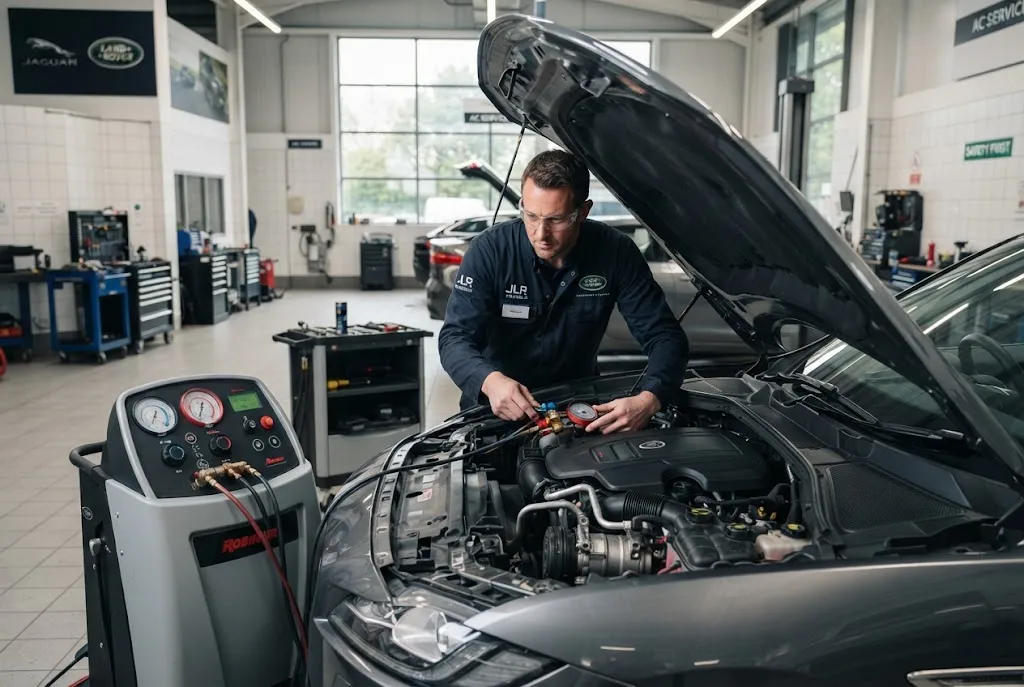
Auto repair services cover professional work carried out to diagnose, correct or replace components affected by a vehicle fault, failure or damage. Repairs can involve mechanical, electrical, electronic or other vehicle systems.
A repair may begin after a driver notices a symptom, such as an unusual noise, warning light, reduced performance or problem with a particular vehicle function. In other cases, a technician may identify an issue during routine servicing or another inspection.
Unlike planned vehicle servicing, repair work generally responds to a specific problem that requires investigation or correction. The scope of the repair depends on what the technician finds during diagnosis and inspection.
Why Repair Documentation Matters
Good documentation creates a record of what happened to the vehicle and what action was taken. Without adequate records, it can become difficult to establish whether a particular component has previously been inspected, repaired or replaced.
Repair records can help owners:
- Understand previous work carried out on the vehicle.
- Explain the vehicle’s history to a future garage.
- Track recurring faults or repairs.
- Review invoices and recommendations.
- Maintain a more complete ownership record.
- Provide useful information when selling the vehicle.
Documentation also supports clearer communication between drivers and automotive professionals. A written record can reduce reliance on memory, particularly when a vehicle has visited several garages over its lifetime.
How Auto Repair Services Are Documented
The repair workflow can differ depending on the fault, vehicle and garage. Nevertheless, documentation often develops throughout several stages, starting with the customer’s description of the problem and continuing through diagnosis, repair and final checks.
Recording the Reported Problem
The first stage is often a description of what the driver has noticed. This information can be surprisingly valuable because symptoms may only appear under particular conditions.
A driver should explain when the problem occurs, what the vehicle does and whether any warning lights or unusual sounds are present. It is better to describe the symptoms accurately than to guess the technical cause.
Diagnostic Findings
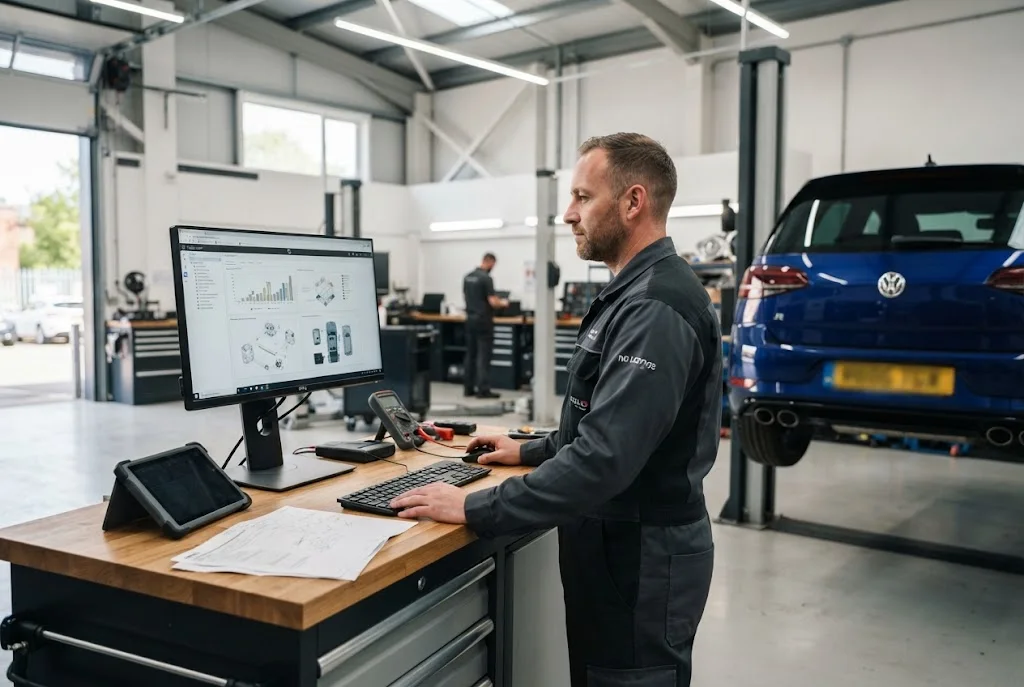
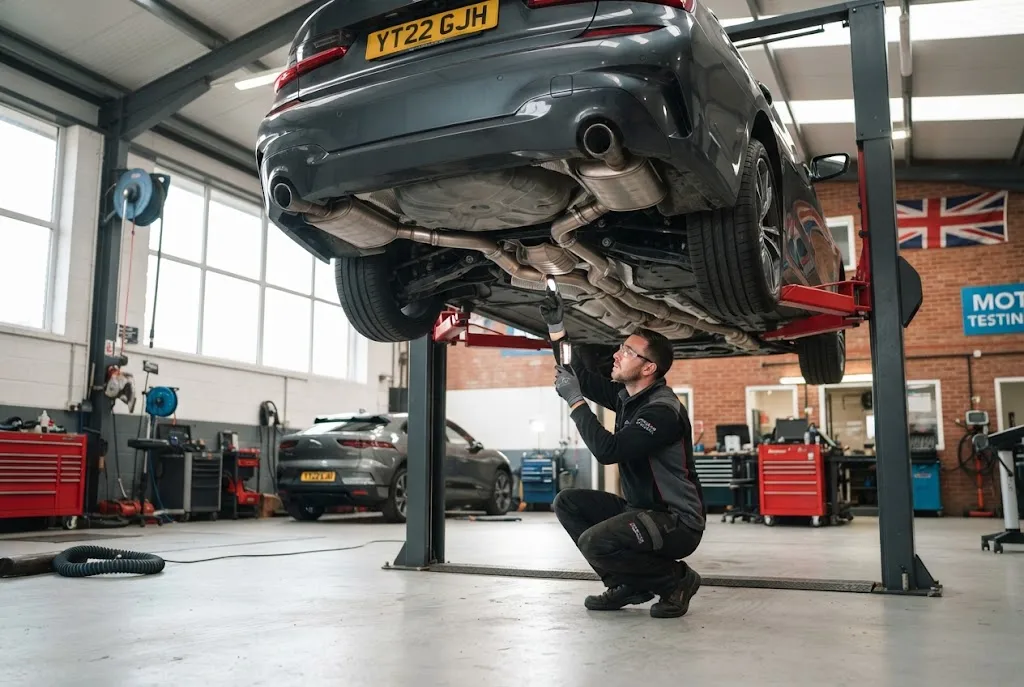
The technician may then investigate the reported problem. Depending on the issue, this could involve visual inspection, testing, diagnostic equipment or other appropriate procedures.
The resulting findings can become an important part of the repair documentation. They explain why particular work has been recommended rather than simply recording the final repair.
Recommended Repair
Once the problem has been identified, the garage can explain the proposed repair. The recommendation may involve repairing, adjusting or replacing one or more components.
Drivers should ask questions if the recommendation is unclear. Understanding the identified fault, proposed solution and urgency of the work makes it easier to make an informed decision.
Work Completed
After approval, the completed work should be reflected in the relevant documentation. Depending on the garage, this may appear on an invoice, repair order or digital record.
Useful records can include the work performed, parts replaced and other relevant details. Keeping this information gives the vehicle a stronger maintenance history.
Understanding Repair Reports
A repair report is intended to communicate information about a vehicle problem and the work associated with it. The level of detail can vary considerably between repair providers.
A useful report should make it reasonably clear what issue was investigated and what action was taken. Where appropriate, it may also identify recommendations for further work or monitoring.
Drivers do not need to understand every technical phrase in a repair report. If terminology is unfamiliar, asking the technician to explain the finding in plain English can prevent misunderstandings.
This is particularly useful when several components could potentially cause similar symptoms. Clear documentation connects the observed symptom with the diagnostic process and repair recommendation.
Technician Notes and Workshop Communication
Technician notes can provide useful context about the inspection and repair process. These notes may contain technical observations that are not immediately obvious to a vehicle owner.
For example, a technician may record what was inspected, what condition a component was found in or what testing was performed. The precise format depends on the garage’s systems and documentation practices.
Good workshop communication works in both directions. Drivers should provide accurate information about symptoms, while technicians should explain findings and recommendations clearly enough for the customer to understand the proposed work.
If you are unsure about a recommendation, useful questions include:
- What fault has been identified?
- What testing was carried out?
- Which component is causing the issue?
- What repair is being recommended?
- Is the repair urgent?
- What work has actually been completed?
- Will the repair be recorded in the vehicle’s history?
Auto Repair Services and Service Documentation
Repair documentation is part of the wider service documentation associated with a vehicle. Although a repair invoice is not necessarily the same as a manufacturer’s service record, it can still provide valuable evidence of work carried out.
Owners should therefore keep repair invoices and other relevant documents alongside service records where practical. A complete history can help establish how the vehicle has been maintained and repaired over time.
Our guide to car servicing explains how scheduled services, service terminology and maintenance records fit into the wider vehicle-care process.
Repair Records and Vehicle History
Vehicle history is not limited to MOT results. It can also include servicing, maintenance, repairs and other documented work completed during ownership.
Repair records are particularly useful when a fault has occurred more than once. A future technician may be able to review previous documentation and see what was previously investigated or replaced.
This can make workshop communication more efficient and provide useful context before additional diagnostic work begins.
Keeping records can also help when a vehicle changes ownership. Buyers may want to understand how a car has been maintained and whether significant repairs have been carried out.
Auto Repair Services and Vehicle Maintenance
Repairs and maintenance serve different purposes, but they are closely connected. Preventive maintenance focuses on planned vehicle care, whereas repair work addresses an identified problem.
For example, a routine maintenance visit may reveal component wear that later requires repair. Conversely, an unexpected breakdown may lead directly to diagnostic testing and corrective work.
Understanding this distinction helps drivers interpret garage recommendations. A service appointment does not necessarily mean every repair need will be included automatically, and a repair does not replace the vehicle’s normal maintenance schedule.
Our broader guide to vehicle maintenance covers maintenance schedules, preventive maintenance, documentation and service planning.
Repair Documentation and MOT Records
MOT documentation is another important part of a vehicle’s history, but it should not be confused with repair documentation. An MOT records the outcome of a statutory test against specified requirements, while a repair record describes work carried out to address a vehicle issue.
A vehicle may require repairs after an MOT identifies a defect. However, not every repair is connected to an MOT, and not every maintenance issue will be identified during an MOT.
GOV.UK explains that an MOT is a test of specific safety and environmental requirements and does not cover every aspect of a vehicle’s mechanical condition. The official MOT test guidance explains what is assessed during the test.
For a broader explanation of how MOT certificates, service records and vehicle history fit together, see our guide to MOT and service.
What to Keep After Auto Repair Services
After a repair, keep the documentation supplied by the garage. Depending on the circumstances, this may include an invoice, repair order, inspection report or other record.
Pay attention to information such as:
- Date of the repair.
- Vehicle mileage.
- Description of the reported fault.
- Diagnostic findings where provided.
- Work completed.
- Parts replaced.
- Recommendations for future attention.
Store these records somewhere they can be retrieved easily. Digital copies can be useful as a backup for paper documents, while manufacturer or garage digital systems may provide additional records where available.
How Drivers Can Improve Automotive Communication
Effective automotive communication starts before the vehicle reaches the workshop. Write down symptoms you have noticed and mention anything that might help reproduce the problem.
For intermittent issues, explain when the fault tends to appear. For example, note whether it happens when the engine is cold or warm, during acceleration, while braking or under another specific condition.
After the inspection, ask the technician to explain the findings and recommended repair. If you approve the work, make sure you understand what has been completed and what, if anything, still needs attention.
This simple approach can help create clearer documentation and reduce confusion between the driver’s observations and the technician’s diagnosis.
Building a Better Vehicle Repair History
A strong vehicle history develops over time. It does not depend on keeping one document; instead, it comes from consistently recording servicing, maintenance, repairs and relevant inspections.
When records are organised chronologically, they become much easier to use. You can quickly identify previous repairs, review maintenance intervals and provide a future garage with useful background information.
This becomes especially valuable when a vehicle develops a related problem years after an earlier repair. Previous documentation may provide clues that would otherwise be difficult to remember.
Final Thoughts on Auto Repair Services
Auto repair services are an important part of vehicle ownership, but understanding the repair itself is only one part of the process. Knowing how faults are reported, diagnosed, documented and communicated can make automotive decisions much easier.
Keep your repair invoices and reports, ask clear questions and make sure you understand what work has been completed. At the same time, maintain separate records for routine servicing, preventive maintenance and MOT testing.
When these records are kept together as part of a wider vehicle history, they provide a valuable reference for future servicing, repairs and ownership decisions. Building this basic knowledge also makes conversations with technicians more productive and helps drivers approach automotive services with greater confidence.