Automotive documentation plays an important role in vehicle servicing because clear records help technicians, garages and customers understand what work has been inspected, diagnosed or completed. A well-written service report can record the vehicle’s condition, explain recommended repairs and provide a useful history for future maintenance.
Professional documentation is not simply a collection of technical notes. It should communicate information accurately while remaining understandable to the vehicle owner. From inspection reports and maintenance records to repair documentation and customer reports, good technical writing can make automotive service communication more consistent and useful.
What Is Automotive Documentation?
Automotive documentation refers to the written or digital records created during vehicle inspections, servicing, diagnostics and repairs. The exact format varies between garages and service providers, but the purpose is generally the same: to record relevant information about the vehicle and the work performed.
Documentation may include vehicle identification details, inspection findings, diagnostic results, parts replaced, maintenance performed and recommendations for further work.
A strong record should distinguish between what was observed, what was diagnosed and what was actually repaired. This distinction prevents assumptions from becoming part of the vehicle’s permanent service history.
Why Good Service Reports Matter
Clear service reports provide value to both automotive professionals and customers. For technicians, accurate records can provide useful context when a vehicle returns with a related issue. For customers, documentation explains what was checked and what work was carried out.
Good documentation can also reduce misunderstandings. Instead of relying on verbal explanations alone, a customer can refer to a written description of the inspection findings and recommendations.
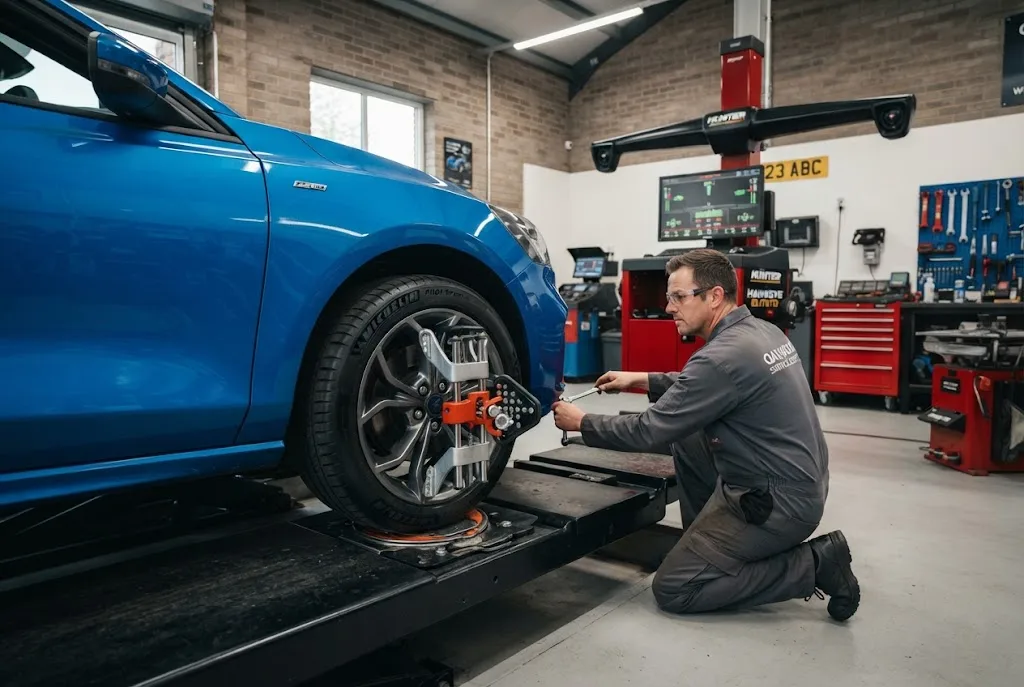
This becomes particularly useful when a vehicle has multiple maintenance requirements. For example, a record can distinguish an issue involving wheel alignment from a separate gearbox or exhaust concern.
Key Elements of a Professional Service Report
A useful service report should contain enough information to establish what happened during the appointment without becoming unnecessarily complicated.
Vehicle Information
The report should identify the vehicle clearly. Depending on the garage’s processes, this may include the registration number, vehicle identification information, make, model, mileage and date of inspection.
Accurate identification is important because service records should be associated with the correct vehicle and appointment.
Customer Concern
The report should record the reason the vehicle was brought in. This can be written from the customer’s description rather than presented as an established diagnosis.
For example, a customer may report that the car is pulling to one side. The report should record that observation rather than immediately stating that wheel alignment is definitely the cause.
Inspection Findings
The technician can then document what was actually observed during inspection. Specific descriptions are more useful than vague statements such as “everything checked” or “problem found”.
Diagnosis
If testing establishes a likely cause, the report can explain the diagnosis and identify the evidence supporting it. Where further testing is required, that uncertainty should be recorded rather than presenting an unconfirmed assumption as fact.
Work Completed
The report should clearly identify repairs and maintenance tasks that were actually performed. Where relevant, it can include replaced components, adjustments, fluid services and diagnostic procedures.
Recommendations
Outstanding issues and recommended future work should be separated from completed repairs. This gives the customer a clearer understanding of what still requires attention.
How to Write Effective Inspection Reports
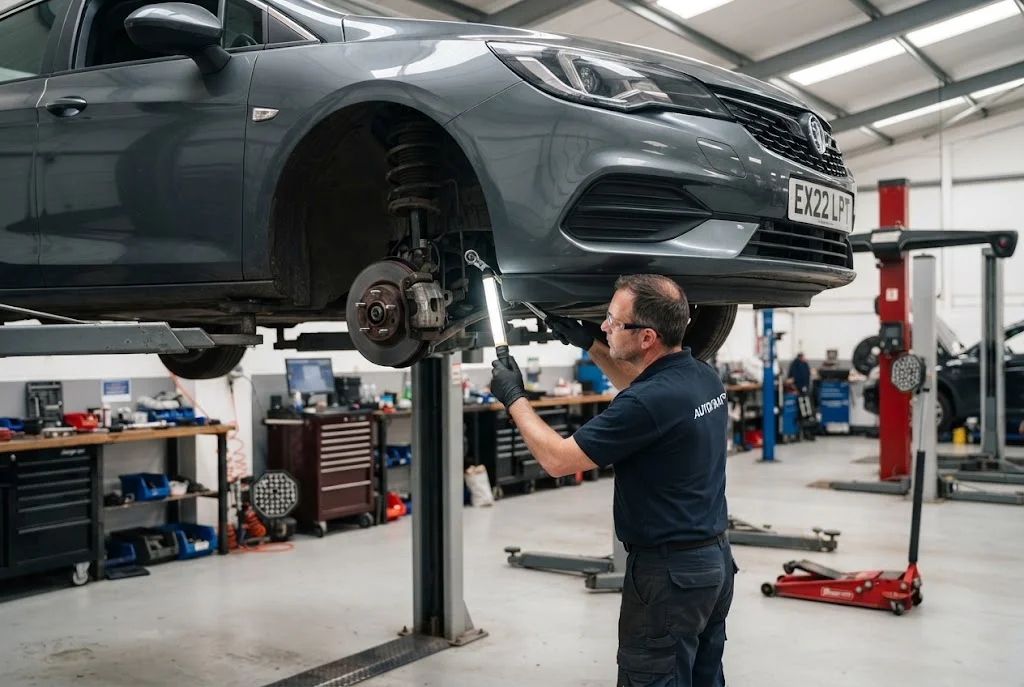
Inspection reports should focus on observations and relevant findings. A technician should explain what was inspected and describe defects or conditions clearly enough for another professional to understand them.
Instead of writing “tyres bad”, a more useful report could identify the relevant tyre, describe the observed wear and explain whether further inspection or replacement was recommended.
The same principle applies to mechanical components. Specific documentation provides more value than short statements that lack context.
Writing Clear Technician Notes
Technician notes are often written quickly during inspections, but they can become part of the vehicle’s permanent service history. For that reason, they should remain factual and professional.
Useful notes should answer questions such as:
- What component was inspected?
- What condition was observed?
- What test was performed?
- What result was obtained?
- What action was taken?
- What further action, if any, was recommended?
Avoid unexplained abbreviations where customers may need to understand the report. Technical terminology can be used when necessary, but important terms should be explained in plain language when appropriate.
Repair Documentation vs Maintenance Records
Repair documentation records corrective work carried out because a fault, defect or damaged component required attention. Maintenance records, by contrast, generally document routine servicing and preventative maintenance.
Both are valuable because they create a broader history of the vehicle.
For example, a vehicle’s records may show an exhaust component replacement through repair documentation and a routine inspection through its maintenance records. Together, these entries provide more useful context than either record alone.
Information about auto exhaust repair can be particularly useful when documenting exhaust-related inspections, replacements and emissions-system concerns.
How to Document Automotive Diagnostics
Diagnostic documentation should explain the process sufficiently to show how a conclusion was reached. Simply writing “diagnosed faulty” provides very little useful information.
A stronger record can identify the reported symptom, diagnostic procedure, relevant test result and conclusion. If diagnostic equipment produced a fault code, the code can be recorded alongside the additional testing used to determine its significance.
This is important because a diagnostic code does not always identify the failed component by itself. A technician may need to carry out additional checks before recommending a repair.
Customer Reports Should Be Easy to Understand
Customer reports need to balance technical accuracy with readability. Customers may not have an automotive background, so excessive jargon can make a report difficult to understand.
A useful approach is to describe the technical finding and then explain its practical meaning.
For example, instead of providing only the name of a component, a report can briefly explain its role and why the observed condition matters. This helps the customer understand the recommendation without removing the technical information required for the service record.
Using Technical Writing in Automotive Service
Technical writing should be precise, objective and consistent. Avoid dramatic language and unsupported claims. A service report should communicate evidence rather than exaggerate the seriousness of a defect.
Good technical writing also separates facts from recommendations. “Brake pad measured below the manufacturer’s specified limit” is a finding. “Replace brake pads” is a recommendation based on that finding. Keeping the two distinct makes the report clearer.
Sentence structure should also be straightforward. Short, specific sentences are often more useful in service records than long explanations containing several unrelated findings.
Documenting Fluid and Transmission Work
Fluid-related maintenance should identify the relevant system and the work performed. Where applicable, records can include the type or specification of fluid used, the service performed and any relevant observations.
This is especially useful for transmission work because different gearboxes can require different fluids and servicing procedures. A record of an auto transmission service can therefore provide useful information for future technicians.
Documentation should not state that a fluid change was completed if the work was only inspected or recommended. Accuracy is more important than making a service record appear comprehensive.
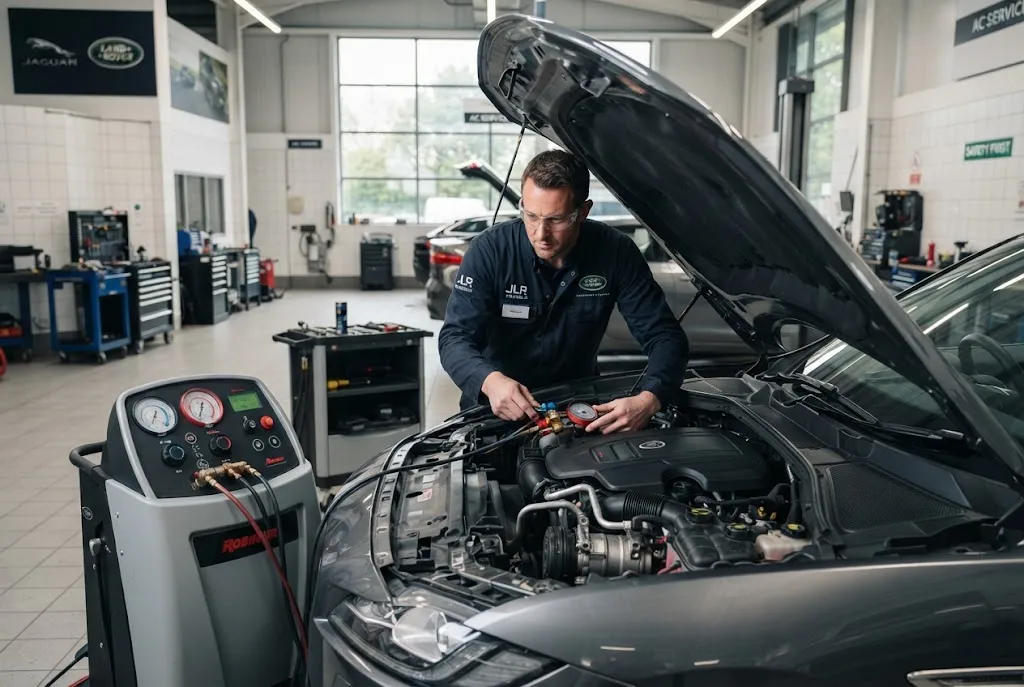
Documenting Air Conditioning Work
Air conditioning service can also benefit from clear records. A report may identify the customer’s complaint, system performance, inspection findings and work completed.
Where refrigerant-related work is performed, the appropriate service details should be recorded according to the garage’s procedures and applicable requirements. Repairs involving leaks or components should be distinguished from routine servicing.
For more context on this system, drivers can review auto air conditioning service and the different components involved in automotive climate control.
Common Automotive Documentation Mistakes
Even technically capable professionals can produce records that are difficult to use later. Several common mistakes reduce the value of service documentation.
- Using vague descriptions: Statements such as “checked and OK” provide limited information.
- Mixing findings and recommendations: Customers may struggle to understand what has actually been repaired.
- Recording assumptions as facts: An unconfirmed diagnosis should be identified as such.
- Leaving out important measurements: Relevant measurements can provide useful evidence for future work.
- Using excessive jargon: Technical terms should be appropriate for the intended reader.
- Failing to record completed work: Future technicians need to know what has already been replaced or adjusted.
- Inconsistent terminology: Using different names for the same component can create confusion across records.
A Simple Structure for Professional Service Reports
A consistent report structure can make documentation faster and easier to review. A practical format can include:
- Vehicle details: Identify the vehicle and appointment.
- Customer concern: Record the reported problem or requested service.
- Inspection: Document relevant checks and observations.
- Diagnosis: Explain the established or suspected cause.
- Work completed: Record repairs and maintenance performed.
- Parts or materials: Identify relevant replacement components or fluids.
- Final checks: Record post-repair testing where applicable.
- Recommendations: List outstanding work or future maintenance requirements.
This structure can be adapted to different garage workflows without forcing every vehicle into exactly the same reporting process.
Why Consistent Records Improve Service Communication
Consistent documentation helps different people understand the same vehicle history. A technician returning to a previous job can review earlier findings, while a service adviser can explain completed work to a customer more accurately.
It can also help identify recurring issues. If similar symptoms appear repeatedly across several service visits, previous records provide useful context for further investigation.
For customers, clear documentation provides a practical record of maintenance and repairs that can be retained with other vehicle information.
Final Thoughts on Automotive Documentation
Automotive documentation is an essential part of professional vehicle servicing because it connects inspection findings, diagnoses, repairs and future recommendations. Good records should be factual, specific, readable and consistent.
Whether documenting a wheel alignment, exhaust repair, air conditioning inspection or transmission service, the same basic principle applies: record what was observed, explain what was diagnosed, identify what was actually completed and clearly separate recommendations from completed work.
When garages combine accurate technical writing with customer-friendly explanations, service reports become more than paperwork. They become useful maintenance records that support better communication and a clearer understanding of a vehicle’s service history.