Regular auto air conditioning service helps keep your car’s climate control system working efficiently throughout the year. Whether you need cool air during a summer heatwave or effective demisting on a damp winter morning, a properly maintained air conditioning system contributes to driving comfort and visibility. However, many drivers overlook AC maintenance until the system stops cooling properly, develops an unpleasant smell or begins making unusual noises.
Understanding how automotive air conditioning works can help you recognise early warning signs, discuss repairs with a technician and avoid unnecessary maintenance costs. This guide explains the main components, common problems, refrigerant systems, servicing procedures and practical maintenance advice for UK motorists.
What Is an Auto Air Conditioning Service?
An auto air conditioning service involves inspecting, testing and maintaining the components responsible for cooling and dehumidifying the air inside your vehicle. Depending on the system’s condition and the manufacturer’s recommendations, servicing may include performance testing, refrigerant checks, leak detection and inspection of important components.
A complete car air conditioning service is different from simply topping up refrigerant. If a system has lost a significant amount of refrigerant, the technician should investigate whether a leak is responsible before carrying out the appropriate work.
Modern vehicles often combine air conditioning with electronic climate control, allowing drivers to select their preferred cabin temperature while the system automatically adjusts cooling, heating and airflow.
How Does a Car Air Conditioning System Work?
Automotive air conditioning uses a closed refrigerant circuit to transfer heat from the passenger compartment to the outside environment. Several components work together to make this process possible.
Compressor
The compressor circulates refrigerant through the system and increases its pressure. Depending on the vehicle, it may be driven by the engine or powered electrically.
Condenser
The condenser is usually positioned near the front of the vehicle. It releases heat from the refrigerant to the surrounding air, allowing the refrigerant to change from a high-pressure vapour into a liquid.
Expansion Valve
The expansion valve or another metering device controls refrigerant flow and reduces its pressure before it enters the evaporator.
Evaporator
The evaporator absorbs heat from the air passing through it. As the air cools, moisture can also condense on the evaporator, helping reduce humidity inside the cabin.
Cabin Air Filter
The cabin filter traps dust, pollen and other airborne particles before they enter the passenger compartment. Although it is not part of the sealed refrigerant circuit, its condition can affect airflow and cabin comfort.
Signs You Need an Auto Air Conditioning Service
Air conditioning problems often develop gradually. Recognising the symptoms early can help prevent unnecessary discomfort and identify faults that require professional attention.
Weak or Warm Airflow
If your AC no longer produces sufficiently cool air, possible causes include low refrigerant, a faulty compressor, electrical problems or inadequate condenser cooling. Weak airflow can also result from a blocked cabin filter or a problem with the blower motor.
Unpleasant Smells
A musty smell when the ventilation system starts may indicate moisture and microbial growth around the evaporator or contamination within the ventilation system. A technician can inspect the system and recommend suitable cleaning or filter replacement.
Unusual Noises
Clicking, grinding or rattling noises when the air conditioning operates may indicate a mechanical or electrical problem. The source should be identified before replacing components.
Poor Window Demisting
Air conditioning helps remove moisture from cabin air. If windows take unusually long to demist, the climate control system may need attention, although ventilation settings, cabin moisture and filter condition can also contribute.
Visible Refrigerant Leaks
Oily residue around refrigerant connections or components can sometimes indicate a leak. However, not every leak is visible, and professional testing may be necessary to establish the cause.
What Happens During a Professional AC Service?
The exact procedure depends on the vehicle, the condition of its air conditioning system and the symptoms reported by the driver. A professional service typically begins with a system assessment.
1. Initial Inspection
The technician checks accessible components, refrigerant connections, drive belts where applicable, condenser condition and signs of visible damage. They may also inspect the cabin filter and ventilation system.
2. Cooling Performance Test
The system is operated to assess its cooling performance. Depending on the equipment and vehicle, the technician may measure vent temperatures, inspect system pressures and check relevant electronic controls.
3. Leak Detection
If refrigerant loss is suspected, appropriate leak-detection methods can help locate the problem. Repairs should address the underlying fault rather than repeatedly adding refrigerant to a leaking system.
4. Refrigerant Recovery and Recharge
When required, suitable servicing equipment recovers the existing refrigerant. Following necessary checks and repairs, the technician recharges the system with the manufacturer’s specified refrigerant type and quantity.
5. Final System Check
After servicing, the technician checks cooling performance and verifies that the system operates as intended. Any remaining faults or recommended repairs should be explained to the vehicle owner.
Understanding Refrigerants Used in UK Vehicles
Different vehicles use different refrigerants. Two commonly encountered types are R134a, used in many older vehicles, and R1234yf, found in numerous newer models.
These refrigerants have different environmental characteristics and require compatible servicing equipment. They must not be treated as interchangeable substitutes.
In the UK, refrigerant handling is subject to applicable fluorinated greenhouse gas requirements. Work involving refrigerant recovery should be carried out by appropriately qualified personnel using suitable equipment.
Drivers should always consult their vehicle’s specifications or a qualified technician to determine the correct refrigerant. Using an incorrect refrigerant or charging the system with the wrong quantity can cause performance problems and potentially damage components.
How Often Should You Service Your Car’s Air Conditioning?
There is no single servicing interval suitable for every vehicle. The manufacturer’s maintenance schedule, the system’s performance and the vehicle’s age should guide servicing decisions.
Many garages recommend periodic air conditioning checks, particularly when cooling performance declines or the system has not been inspected for several years. However, refrigerant does not need automatic replacement simply because a fixed period has passed.
Cabin filters may require more frequent attention, especially when vehicles are regularly driven in dusty or heavily polluted environments.
It is sensible to have the system inspected before extended summer journeys if you have noticed reduced cooling, unusual noises or persistent unpleasant smells.
Auto Air Conditioning Service vs AC Repair
Although the terms are sometimes used interchangeably, servicing and repair describe different types of work.
Routine AC maintenance focuses on inspecting system condition, checking performance and carrying out appropriate preventive maintenance. AC repair addresses an identified fault, such as a leaking condenser, failed compressor, defective pressure sensor or damaged refrigerant pipe.
A service inspection may reveal the need for repair. However, a refrigerant recharge alone cannot correct a damaged component or an unresolved leak.
Drivers can take a similar approach to other vehicle systems. Understanding auto exhaust repair helps explain why diagnosing a specific component fault is different from routine maintenance.
How Air Conditioning Affects Cabin Comfort and Visibility
Air conditioning is useful beyond hot weather. By cooling and dehumidifying cabin air, the system can help remove condensation from windows during damp conditions.
Many vehicles automatically activate air conditioning when the windscreen demisting function is selected. This can improve visibility, particularly during the UK’s wetter months.
Automatic climate control systems may also coordinate the compressor, blower fan, air distribution and heating system to maintain a selected temperature.
However, effective climate control depends on several components working correctly. A blocked cabin filter, faulty temperature sensor or ventilation problem may affect comfort even when the refrigerant circuit is operating normally.
Practical Air Conditioning Maintenance Tips
Simple maintenance habits can help keep your car’s air conditioning system in good condition and make developing problems easier to recognise.
- Use the system regularly: Follow the manufacturer’s operating guidance and run the air conditioning periodically, including during cooler months.
- Replace the cabin filter: Follow the recommended replacement schedule and inspect it sooner if airflow becomes restricted.
- Keep air intakes clear: Remove accumulated leaves and debris from accessible exterior ventilation intakes.
- Watch for performance changes: Reduced cooling, unusual noises and persistent odours should be investigated.
- Avoid unnecessary refrigerant top-ups: Significant refrigerant loss may indicate a leak requiring professional diagnosis.
- Maintain service records: Record inspections, refrigerant work, component replacements and any recommended follow-up repairs.
Accurate automotive documentation can help vehicle owners and technicians understand previous servicing work and identify recurring problems.
Choosing a Professional Car Air Conditioning Service
When selecting a garage, ask whether its technicians have appropriate refrigerant-handling qualifications and whether its equipment is compatible with your vehicle’s refrigerant.
A suitable garage should be able to explain the proposed inspection, identify faults and provide a clear estimate before carrying out additional repairs.
If the system has repeatedly lost refrigerant, ask how the garage intends to investigate the leak rather than paying for another recharge without diagnosis.
It is also useful to request a written record of the work performed, including the refrigerant type, quantity added where applicable and any components repaired or replaced.
Building a Complete Vehicle Maintenance Routine
Air conditioning is only one part of maintaining a comfortable and reliable vehicle. Different mechanical systems require different inspection procedures and maintenance schedules.
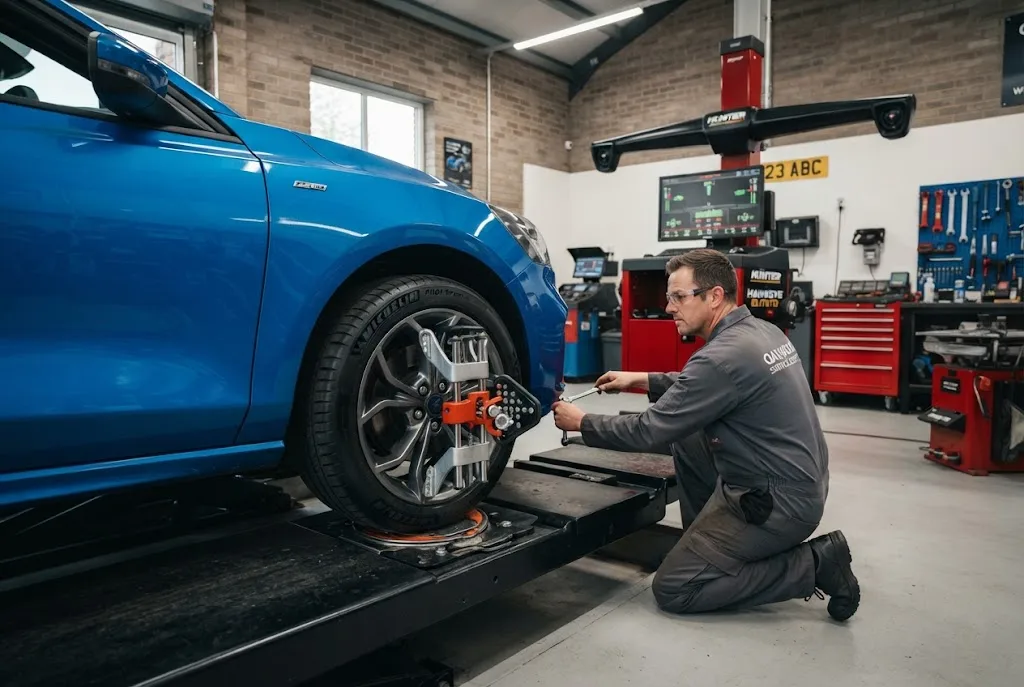
For example, wheel alignment focuses on steering geometry, tyre wear and directional stability, while auto transmission service concerns gearbox operation, transmission fluid and drivetrain maintenance.
Keeping these services separate while maintaining a complete vehicle service history helps owners understand which components have been inspected and when further attention may be required.
Frequently Asked Questions
How long does a car air conditioning service take?
The duration depends on the vehicle and the work required. A straightforward inspection or recharge may take around an hour, while leak detection and component repairs can require considerably longer.
Does car air conditioning need refrigerant every year?
Not necessarily. A properly functioning sealed system should not require annual refrigerant replacement as a universal maintenance rule. Follow the manufacturer’s guidance and investigate noticeable refrigerant loss.
Can I drive with broken air conditioning?
In many cases, a vehicle can still be driven if only its cooling function has failed. However, unusual mechanical noises, damaged components or impaired windscreen demisting may require prompt attention.
Why does my AC smell when I switch it on?
Persistent musty odours can result from moisture and contamination within the ventilation system. A dirty cabin filter or contaminated evaporator may need professional inspection and cleaning.
Final Thoughts
A professional auto air conditioning service helps identify cooling problems, assess refrigerant-system condition and maintain comfortable cabin temperatures throughout the year. Understanding the main components and warning signs makes it easier to distinguish routine maintenance from repairs that require specialist attention.
For UK drivers, following manufacturer recommendations, maintaining cabin filters and seeking qualified assistance when performance declines are sensible ways to care for the system. Proper diagnosis and accurate service records also help avoid unnecessary work and support effective long-term vehicle maintenance.