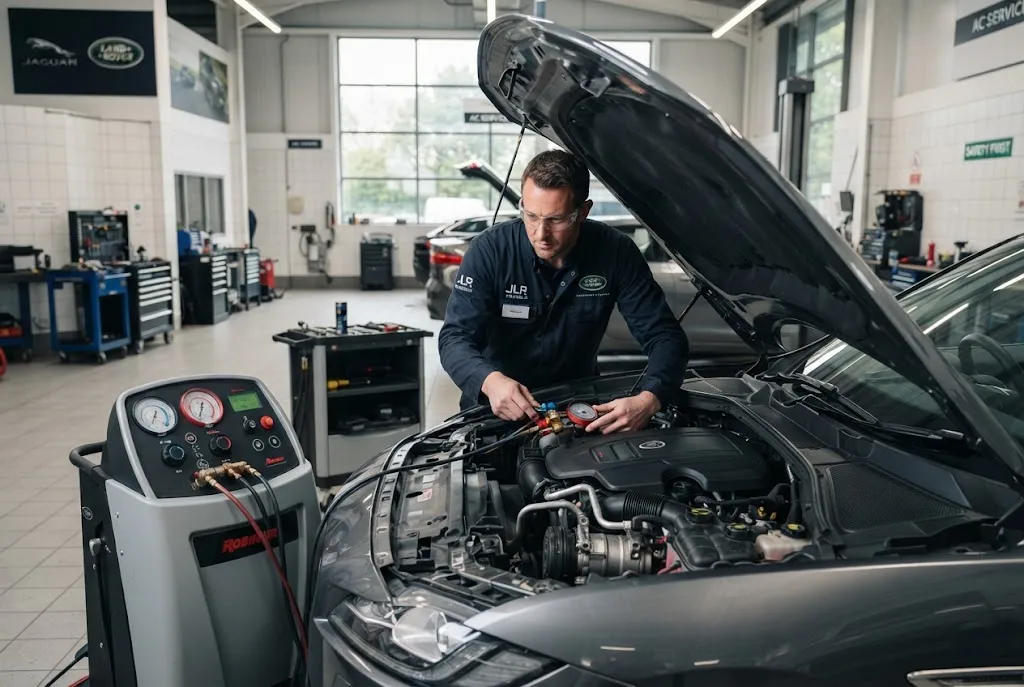
Understanding auto services makes it much easier to look after a vehicle, communicate with a garage and make informed decisions about servicing and repairs. From routine vehicle servicing and preventive maintenance to auto repair services and MOT documentation, modern car ownership involves a wide range of terms, processes and records.
For many drivers, automotive terminology can seem unnecessarily technical. However, you do not need to become a qualified technician to understand the basics. Knowing what different services involve, why documentation matters and how maintenance fits alongside an MOT can help you manage your vehicle with greater confidence.
What Are Auto Services?
Auto services are the range of professional checks, maintenance procedures, inspections and repairs carried out to keep vehicles operating safely and reliably. The exact work depends on the vehicle, its age, mileage, condition and manufacturer’s recommendations.
Common examples include routine servicing, oil and filter changes, brake inspections, tyre checks, battery checks, diagnostic work, fault repairs and other maintenance tasks. Some services are planned in advance, while others become necessary after a fault or warning appears.
The phrase auto service can therefore describe a broad area rather than one specific procedure. Understanding that distinction is useful when comparing garage recommendations or reading a vehicle’s service documentation.
Why Understanding Auto Services Matters
Vehicle ownership becomes simpler when you understand what a garage is recommending and why particular work may be needed. Without basic knowledge, it can be difficult to distinguish routine maintenance from repairs or understand whether a particular inspection is related to an MOT.
Good automotive knowledge can help you:
- Understand common servicing terminology.
- Keep track of planned vehicle maintenance.
- Read service and repair documentation more confidently.
- Communicate clearly with technicians and garages.
- Recognise the difference between an MOT and routine servicing.
- Maintain useful ownership records for the future.
It can also make conversations with automotive professionals more productive. Rather than relying entirely on unfamiliar terminology, you can ask more specific questions about the condition of your vehicle and the work being proposed.
Auto Services and Vehicle Servicing
Vehicle servicing is one of the most familiar areas of auto care. A service generally involves scheduled checks and maintenance intended to keep a vehicle operating as the manufacturer recommends. The exact contents can vary between vehicles and service schedules.
Drivers may encounter terms such as interim service, full car service and major service. These labels are commonly used by garages, although the precise work included can differ between providers and vehicle manufacturers.
For that reason, it is sensible to ask what is included before approving work. A service should be considered in the context of the vehicle’s maintenance schedule, mileage, age and previous service history.
Our guide to car servicing can help explain the terminology and concepts drivers are likely to encounter when arranging routine maintenance.
Learning Vehicle Maintenance
Vehicle maintenance is broader than simply booking a service. It includes the ongoing care and checks that help identify potential problems before they become more serious. This can involve monitoring tyres, fluids, lights, brakes and other vehicle components.
Regular maintenance also creates a useful record of how a vehicle has been looked after. Maintenance records can help owners understand what work has already been completed and what may need attention next.
A practical approach is to combine the manufacturer’s recommendations with sensible routine checks. The official UK guidance also states that drivers are responsible for ensuring their vehicle remains roadworthy and notes that a vehicle can be unsafe even when it has a current MOT certificate. GOV.UK’s vehicle safety guidance provides further information about checks drivers should make.
For a deeper introduction to planning and recording ongoing care, see our guide to vehicle maintenance.
Auto Services and Auto Repair Services
Routine servicing and repairs are related, but they are not necessarily the same thing. Servicing is generally planned maintenance, while auto repair services address a known fault, damaged component or mechanical or electrical problem.
For example, a vehicle might require a scheduled service even though the driver has not noticed a problem. In another situation, a warning light, unusual noise or performance issue may lead to diagnostic testing and subsequent repair work.
Repair work can involve inspection, diagnosis, replacement or adjustment of components, testing and final checks. The process may vary considerably depending on the fault.
Documentation becomes particularly important during repairs. A clear repair report can record the reported symptoms, diagnostic findings, work completed and parts involved. These records can make future troubleshooting easier and provide a useful history of the vehicle.
Drivers who want to understand this process in more detail can explore our guide to auto repair services, including repair documentation and workshop communication.
Understanding Automotive Terminology
Automotive terminology can make even a straightforward garage conversation sound complicated. Terms used by technicians often describe specific components, systems, inspection procedures or repair activities.
Learning common automotive vocabulary does not mean memorising an entire technical dictionary. Instead, concentrate on terminology that appears regularly in service records, inspection reports and repair discussions.
Service Terminology
Service-related language can include terms describing maintenance intervals, scheduled checks, filters, fluids and replacement items. Understanding these terms makes service invoices and maintenance records easier to interpret.
Repair Terminology
Repair documentation may contain words associated with diagnostics, faults, components, labour and testing. If a term is unfamiliar, asking the technician to explain it in plain language is perfectly reasonable.
Inspection Terminology
Inspection-related terminology is particularly relevant to MOT testing. MOT results can contain classifications such as minor, major, dangerous and advisory, each of which has a different meaning within the testing system.
The distinction matters because an MOT is a statutory roadworthiness and environmental test rather than a complete mechanical health check. GOV.UK explains that important vehicle components are assessed during the MOT, while the test does not cover the condition of the engine, clutch or gearbox. The official MOT guidance provides details of what the test covers.
Auto Services, MOTs and Vehicle Documentation
One of the most important concepts for UK drivers is understanding the relationship between servicing and the MOT. They are not interchangeable.
An MOT checks whether a vehicle meets specified road safety and environmental standards at the time of testing. Routine servicing, on the other hand, is part of ongoing vehicle maintenance and can cover areas that are outside the MOT’s scope.
For cars in Great Britain, the first MOT is generally required by the third anniversary of registration, with annual testing required after that. GOV.UK also explains that different rules apply to vehicles registered in Northern Ireland. The official MOT schedule guidance provides the current requirements.
Drivers should therefore think of service and MOT as two connected but separate parts of vehicle ownership. Keeping both organised can provide a clearer picture of a vehicle’s history and condition.
Our dedicated guide to MOT and service explores MOT certificates, reports, terminology and documentation in greater detail.
Why Service Documentation Matters
Service documentation creates a record of work carried out on a vehicle. Depending on the garage and vehicle, records may include invoices, service entries, inspection notes, parts information and other maintenance details.
Keeping these records organised has several practical benefits. First, they can help you establish when previous maintenance was completed. Second, they can make it easier to identify recurring issues. Finally, a well-maintained ownership record can provide useful information when a vehicle is sold or transferred.
Digital service history has also become increasingly relevant as vehicle information is stored electronically rather than exclusively in traditional paper service books. Owners should understand where their records are stored and retain important invoices or supporting documents where appropriate.
Auto Services and Automotive Communication
Good automotive communication works both ways. A garage needs accurate information about symptoms and vehicle history, while the driver needs a clear explanation of recommended work.
When reporting a problem, describe what you have noticed rather than trying to diagnose the cause yourself. Mention when the issue occurs, whether it happens continuously or intermittently, and whether any dashboard warning lights appear.
When a technician recommends a repair, useful questions can include:
- What problem has been identified?
- How was the problem diagnosed?
- What work is being recommended?
- Is the work urgent or routine?
- What parts or components are involved?
- What documentation will be provided after the work?
This approach can reduce misunderstandings and make workshop communication more straightforward.
Building Your Automotive Learning
Learning about auto services is most useful when it develops gradually. Start with the basics of servicing and maintenance, then move into repair documentation, MOT terminology and more specialised automotive concepts.
It can help to keep a simple personal record of your vehicle’s servicing and maintenance. Note the date, mileage, type of work and any important recommendations. This information can make future service planning easier and give you a useful reference when speaking to a garage.
You should also use your vehicle handbook and manufacturer information as important sources of vehicle-specific guidance. Service intervals and maintenance requirements can differ significantly between makes, models, engines and vehicle types.
Auto Services: A Smarter Approach to Vehicle Ownership
Understanding auto services gives drivers a stronger foundation for managing vehicle ownership. Instead of treating servicing, repairs, maintenance and MOT testing as isolated activities, it is better to see them as connected parts of a wider vehicle-care process.
Routine servicing helps keep scheduled maintenance organised. Preventive maintenance supports day-to-day vehicle care. Auto repair services address faults when they occur, while MOT testing provides a statutory assessment against specific standards. Documentation then connects these activities by creating a record of what has happened throughout the vehicle’s life.
The more familiar you become with automotive terminology and service documentation, the easier it becomes to communicate with garages, understand recommendations and maintain useful ownership records. That knowledge can ultimately make vehicle care less confusing and more manageable.
Use this automotive learning hub as a starting point, then explore the related guides on car servicing, vehicle maintenance, auto repair services and MOT documentation to build a more complete understanding of vehicle care in the UK.