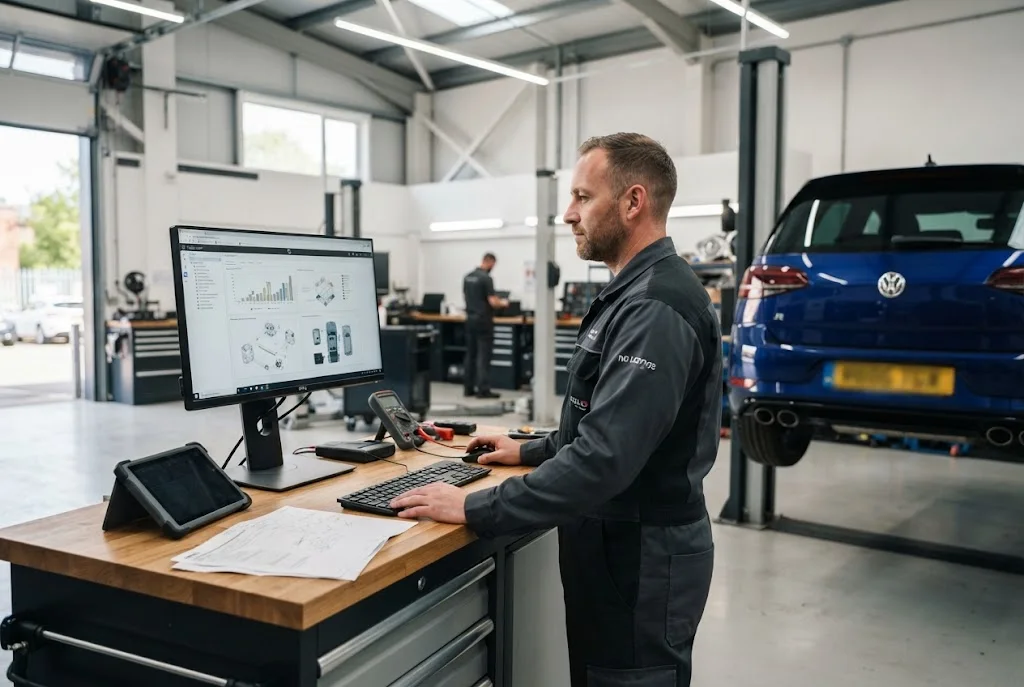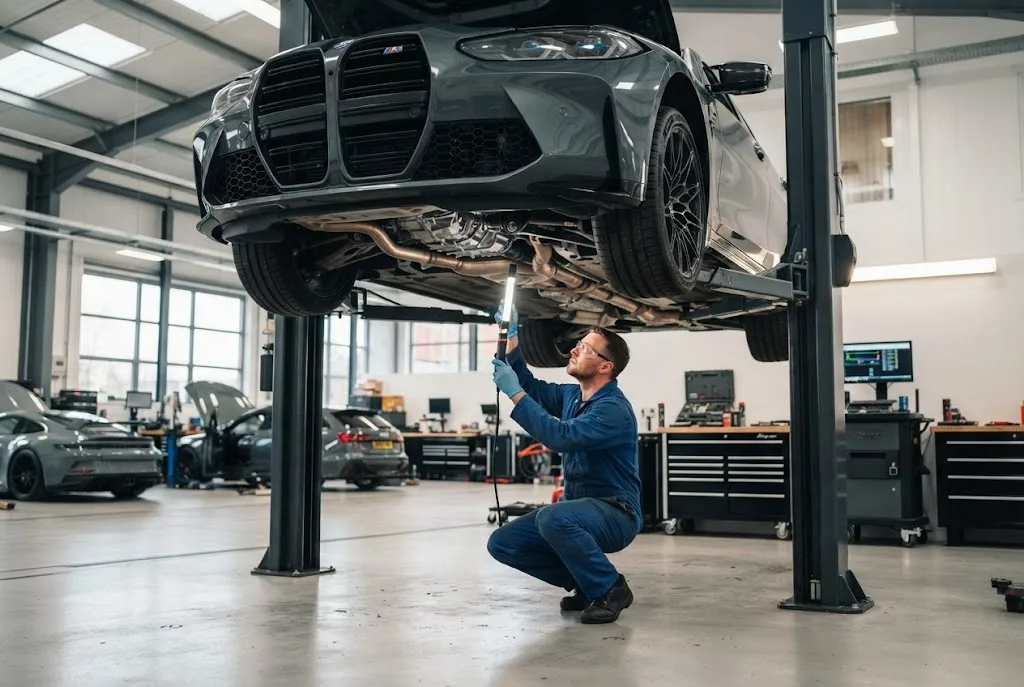
A mobile auto service brings automotive assistance to the customer’s location instead of requiring every vehicle to visit a traditional workshop. Depending on the business and the type of fault, a mobile mechanic may travel to a home, workplace, car park or roadside location to carry out diagnostics, maintenance or selected repairs.
This approach can make vehicle servicing more convenient, particularly when a car cannot easily be driven to a garage. However, good mobile servicing involves more than travelling to a customer’s location. Clear booking processes, accurate service updates, professional communication and appropriate reporting all contribute to a better experience.
What Is a Mobile Auto Service?
A mobile auto service is an automotive business model in which a technician travels to the vehicle rather than performing every job at a fixed workshop. The services available depend on the mechanic’s equipment, qualifications, insurance, facilities and the complexity of the work.
Some mobile mechanics focus on diagnostics, routine maintenance and straightforward repairs. Others may provide roadside assistance or support for specific vehicle problems. More complex work can still require a vehicle to be transported to a fully equipped workshop.
Before booking, customers should therefore ask what work can actually be completed at their location. This avoids unnecessary delays and helps the mechanic arrive with the appropriate equipment and parts.
How a Mobile Mechanic Appointment Usually Works
The process generally begins with a customer describing the vehicle and the problem. Useful information can include the make and model, registration, mileage, warning lights, symptoms and when the problem started.
The mechanic can then determine whether the requested job appears suitable for a mobile visit. If the problem requires specialist workshop equipment, the customer may instead be advised to arrange workshop assistance.
Once the appointment is agreed, the technician travels to the specified location. Depending on the service, they may inspect the vehicle, perform diagnostics, complete maintenance or carry out an appropriate repair.
This initial information exchange is important because a clear description of the problem can help the technician prepare before arriving.
Digital Booking Makes Mobile Services Easier
Digital booking can make mobile automotive services more efficient for both customers and technicians. Instead of relying entirely on telephone conversations, a booking system can collect essential information before the appointment.
A useful booking form may request:
- Customer contact details
- Vehicle registration or identification
- Vehicle make and model
- Requested service
- Description of the problem
- Preferred appointment date and time
- Location where the vehicle will be available
Providing this information in advance can reduce misunderstandings and give the mechanic a better idea of what the appointment involves.
Appointment Management Is Important for Mobile Mechanics
Unlike a fixed workshop, a mobile technician has to manage travel time as well as the actual service. Effective appointment management is therefore a central part of the business.
Appointments should allow enough time for travel, vehicle assessment and the expected work. Unexpected diagnostic findings can also extend a visit, so scheduling every appointment too tightly can create delays for customers later in the day.
Good planning should also account for location details. A mechanic may need information about parking, access restrictions or whether the vehicle is located in a private driveway, workplace car park or roadside position.
Accurate scheduling helps the business communicate realistic arrival windows instead of making promises that are difficult to maintain.
Customer Communication Before the Visit
Customer communication begins before the mechanic arrives. Customers should know what service has been booked, where the vehicle should be available and whether any preparation is required.
If additional information is needed, collecting it before the appointment can save time. For example, a customer experiencing an intermittent warning light may be able to describe when the warning appears and whether any other symptoms occur.
Clear communication also helps establish expectations. A mobile appointment does not necessarily mean that every repair can be completed immediately. Some problems may require additional parts, specialist equipment or workshop facilities.
Why Service Updates Matter
Service updates can be especially valuable when a mobile technician discovers something different from the customer’s original description.
For example, a customer may request a diagnostic check because of an engine warning light. After testing, the technician may identify a fault that requires further investigation rather than an immediate repair. Explaining this finding before carrying out additional work gives the customer an opportunity to understand the situation and make a decision.
Updates can also be useful when an appointment is delayed because of traffic, an earlier repair taking longer than expected or difficulty locating a vehicle. Prompt communication is generally better than leaving the customer uncertain about when the technician will arrive.
Mobile Service Reports Create a Useful Record
A professional mobile service report can document what the technician inspected, what was found and what work was completed. This is particularly useful when the vehicle needs further attention later.
A report might include the vehicle details, appointment date, reported symptoms, inspection findings, diagnostic information, work completed and recommendations. Where appropriate, photographs or supporting technical information may also be included.
Clear reporting connects mobile servicing with the wider importance of accurate service history. When maintenance and repairs are documented consistently, the vehicle owner has a more useful record for future servicing and ownership decisions.
Field Service Communication Should Be Accurate
Field service communication involves keeping information flowing between the customer, technician and business administration process. This becomes increasingly important when a mobile service has several technicians or appointments operating across different locations.
The information recorded during booking should be available to the technician, while findings from the visit should be captured accurately for the customer and business records.
A consistent process can prevent common problems such as incomplete vehicle information, unclear job descriptions, missed appointment details or uncertainty about what work was authorised.
When Roadside Support May Be Appropriate
Roadside support is one area where mobile automotive assistance can be particularly useful. A vehicle that has broken down may not be practical to drive to a workshop.
However, roadside assistance has limitations. The technician needs to determine whether the vehicle can be safely assessed or repaired at its current location. If the vehicle presents a safety risk or requires equipment unavailable on-site, recovery to a suitable workshop may be necessary.
Customers should follow appropriate safety procedures when a vehicle has broken down, particularly on busy roads. The priority should always be protecting people from traffic and other immediate hazards before attempting automotive work.
Mobile Auto Service vs Traditional Workshop Service
The main advantage of a mobile auto service is convenience. Customers may not need to arrange transport to a garage, wait for a workshop slot or leave their vehicle at a business for routine work that can be completed on location.
On the other hand, traditional workshops generally have access to a wider range of specialist equipment, lifting facilities and dedicated work areas. This makes them more suitable for certain repairs and inspections.
The two approaches can therefore complement each other rather than compete directly. A mobile mechanic may handle suitable on-site work while recommending workshop support when a job goes beyond the capabilities of mobile equipment.
How Better Communication Improves Mobile Servicing
The quality of a mobile service depends partly on how clearly technical information is communicated. Customers need understandable explanations rather than unexplained technical terminology.
A technician should explain what was observed, what has been tested and what action is recommended. If further work is required, the customer should understand why before approving it.
This communication style also connects naturally with broader auto care services, where customer education and maintenance advice can help vehicle owners make better decisions.
Choosing a Mobile Automotive Service
Before booking a mobile mechanic, customers should consider whether the business offers the specific service required and whether the technician can safely perform the work at the chosen location.
It is also worth checking how the business handles bookings, appointment changes, service updates and documentation. A professional process should make it clear what has been requested, when the technician is expected to arrive and what happens if additional work is discovered.
Customers should also ask about estimates before authorising work where the final cost cannot be determined in advance. Clear communication around pricing can prevent avoidable disagreements later.
Why Mobile Service Communication Matters
A successful mobile auto service combines technical capability with efficient communication. The mechanic needs to know what the customer requires, the customer needs realistic expectations, and the business needs accurate records of the work performed.
Digital booking, organised appointment management, timely service updates and clear mobile service reports can make the entire process more transparent. They also create documentation that can contribute to a vehicle’s longer-term maintenance history.
For customers, the biggest benefit is convenience without sacrificing clarity. When mobile automotive services communicate professionally from booking through completion, the experience becomes easier to manage and the resulting vehicle records become more useful for future maintenance decisions.