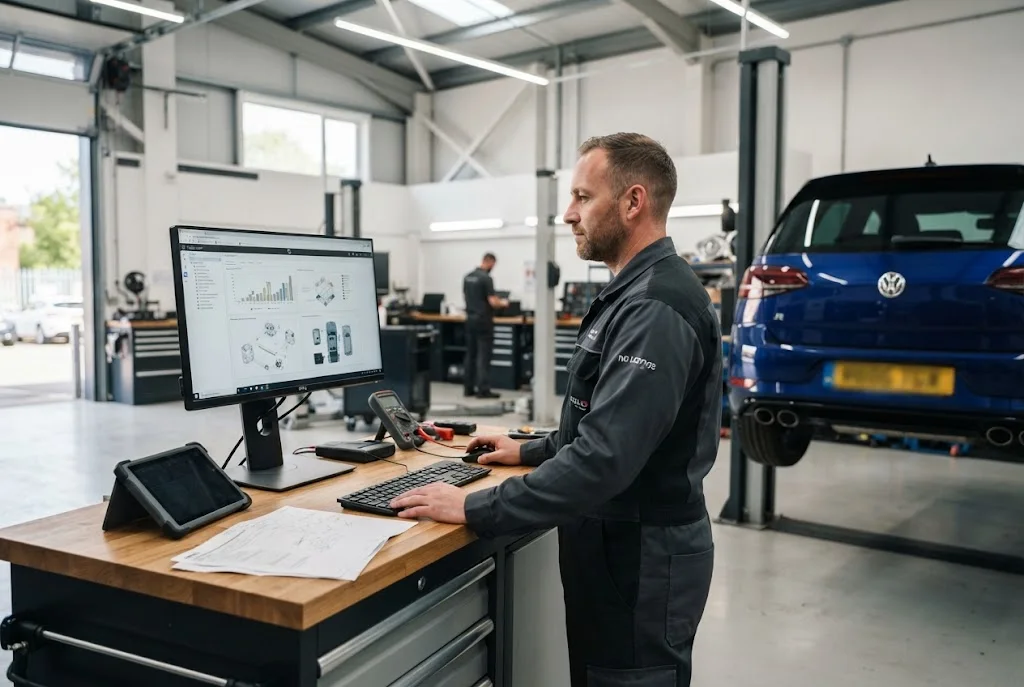
A vehicle inspection can give UK motorists valuable information about a car’s condition before they commit to buying it. This is particularly useful when purchasing a used vehicle, where photographs, a seller’s description and a test drive may not reveal every mechanical or structural concern.
A professional inspection can examine areas such as the bodywork, tyres, brakes, steering, suspension, engine and other important components. However, an inspection is not a guarantee that a vehicle will remain problem-free. Understanding what an inspection covers, how reports work and how findings relate to service history can help buyers make more informed decisions.
What Is a Vehicle Inspection?
A vehicle inspection is an assessment of a vehicle’s condition carried out using a defined inspection process. The depth of the assessment depends on the provider and the type of inspection selected.
A basic inspection may focus on visible and accessible components, while a more comprehensive assessment can examine a wider range of mechanical, structural and electrical areas.
The purpose is to identify existing issues, signs of wear or potential concerns that may not be obvious during a normal viewing. This information can then form part of the buyer’s wider decision-making process.
Why a Pre-Purchase Inspection Can Be Useful
A pre-purchase inspection is particularly relevant when buying a used car privately or when purchasing a vehicle where you want additional independent information about its condition.
A seller may provide maintenance records and the car may look excellent externally, but a professional assessment can provide another perspective. It may identify problems that could affect future maintenance costs or negotiating decisions.
This does not mean every used car needs the same level of inspection. The decision can depend on the vehicle’s age, mileage, price, history, intended use and the buyer’s confidence in its condition.
When Is a Pre-Purchase Inspection Worth Considering?
An inspection may be particularly useful when:
- the vehicle represents a significant financial commitment
- the car is older or has high mileage
- the available service history is incomplete
- you are buying from a private seller
- the vehicle has had previous repairs or modifications
- you are travelling a considerable distance to view the car
- you have limited experience assessing used vehicles
For a relatively inexpensive vehicle, the inspection cost may represent a larger proportion of the purchase price. Buyers therefore need to weigh the potential benefit against the overall value of the transaction.
What Does a Vehicle Inspection Usually Check?
The precise checklist varies between providers, but a professional inspection can cover many areas of a vehicle. These may include the condition of the bodywork, wheels and tyres, lights, visible engine components, brakes, steering, suspension and other accessible systems.
Some inspections also include checks for warning lights, evidence of accident damage or signs of fluid leaks. The inspection provider should explain exactly what is included before the assessment takes place.
It is important to distinguish an inspection from a routine MOT test. An MOT checks whether a vehicle meets certain legal safety and environmental standards at the time of testing. A separate inspection may have a different purpose and can provide additional information about the vehicle’s condition.
AA Inspection and RAC Inspection Services
When researching used cars, buyers may encounter services associated with well-known motoring organisations such as an AA inspection or an RAC inspection. These services are designed to provide buyers with an assessment of a vehicle, but the exact inspection scope, report format and available options can change.
If you are considering an inspection from a recognised motoring organisation, review the current service description carefully. Check which components are examined, whether the inspection is conducted at the seller’s location, what type of report you receive and whether any areas are specifically excluded.
The important point is not simply the brand providing the inspection. Buyers should understand what the particular inspection package actually assesses and how its findings can be used alongside other information about the vehicle.
Understanding Inspection Reports
Inspection reports turn the findings of an assessment into information that buyers can review. Depending on the provider, a report may identify items that appear satisfactory, areas requiring attention and issues that could require further investigation.
Read the report carefully rather than focusing only on an overall rating. A vehicle can receive a generally positive assessment while still having individual components that need attention.
Pay particular attention to comments concerning safety-critical systems, structural condition, significant leaks, excessive wear and issues that may create substantial future expenses.
What If an Inspection Finds a Problem?
Finding a problem does not automatically mean you should abandon the purchase. The significance depends on the type of fault, its likely repair cost and the vehicle’s overall condition.
For example, a relatively minor wear item may be easy to budget for, while serious structural damage or a major mechanical issue could materially change whether the vehicle represents good value.
If a report identifies a significant concern, consider obtaining a professional repair estimate before making a final decision.
Why Service History Matters
Service history can complement an inspection by showing how the vehicle has been maintained over time. Records may provide evidence of scheduled servicing, repairs and replacement work.
However, a complete-looking service history does not guarantee that a car is currently free from defects. Vehicles continue to wear as they are driven, and a service record describes past maintenance rather than guaranteeing future reliability.
Likewise, an inspection should not be treated as a replacement for reviewing the available history. Combining the two gives a buyer a broader picture.
Checking a Vehicle Before Buying
Before arranging an inspection, gather as much information as possible about the vehicle. Ask for the registration number, mileage, service records and any available details about previous ownership or repairs.
When viewing the car, compare the information provided by the seller with the vehicle itself. Look for inconsistencies in mileage, condition, tyre wear and general presentation.
You can also check official vehicle information and MOT history through GOV.UK before deciding whether further assessment is worthwhile.
Vehicle Inspection and Tyre Condition
Tyres deserve particular attention because they affect grip, braking and handling. A professional assessment may identify visible tyre damage, unusual wear or other concerns.
Buyers can also learn more about tyre services to understand tyre fitting, replacement, repairs, balancing and basic tyre safety. This knowledge can make inspection findings easier to interpret.
For example, uneven tyre wear may be worth investigating rather than simply treating the tyres as worn consumable items. Depending on the circumstances, uneven wear can be associated with alignment, suspension or other vehicle issues.
Inspection Terminology Buyers Should Know
Understanding basic inspection terminology can make vehicle reports easier to interpret. Common terms may include:
- Advisory: An item that may require attention but does not necessarily mean the vehicle is immediately unsafe or defective.
- Structural: Relating to parts of the vehicle that contribute to its structural integrity.
- Corrosion: Deterioration of metal, often caused by environmental exposure and rust.
- Wear: Gradual deterioration of a component through normal use.
- Leak: Unwanted loss of a fluid such as engine oil or coolant.
- Brake condition: An assessment of visible or accessible brake components and their apparent condition.
- Suspension: Components that help control wheel movement and vehicle stability.
- Alignment: The positioning of wheels in relation to the vehicle manufacturer’s specifications.
- Further investigation: A recommendation that an issue requires additional testing or specialist assessment.
Terminology can vary between inspection companies, so always check the provider’s explanation of individual ratings and categories.
Inspection Findings and Repair Costs
A vehicle inspection can also help buyers think about potential repair finance and future maintenance costs. If an inspection identifies several areas requiring work, estimate those costs before agreeing to buy.
This is particularly important when buying a vehicle close to the top of your budget. Spending most of your available funds on the purchase can leave little room for immediate maintenance or repairs.
Rather than focusing exclusively on the purchase price, consider the total cost of ownership. Insurance, fuel, servicing, tyres, repairs, vehicle tax where applicable and other running expenses all contribute to the cost of keeping a car.
Can an Inspection Guarantee a Reliable Car?
No inspection can guarantee that a vehicle will never develop a fault. Cars contain many components, and some problems may not be visible or detectable during a particular assessment.
Conditions can also change after the inspection. A vehicle that passes an inspection today can develop a problem later, particularly if it is driven extensively or already has components approaching the end of their service life.
For that reason, treat an inspection as one source of evidence rather than a guarantee. Combine it with the vehicle’s history, MOT information, test drive, seller information and your own assessment of whether the car suits your needs.
How to Use an Inspection Before Negotiating
If an inspection identifies genuine repair requirements, the findings may help you have a more informed conversation with the seller. Obtain realistic repair estimates where possible rather than assuming that every advisory item represents an immediate large expense.
Some findings may be routine maintenance, while others could indicate substantial work. Separating the two makes negotiations more reasonable.
It is also important not to pressure an inspector into changing their assessment simply because you want a particular outcome. The value of an independent inspection comes from receiving an objective assessment.
Vehicle Inspection Checklist for Used Car Buyers
Before completing a used-car purchase, consider the following:
- Check the vehicle’s registration and available history.
- Review the MOT history.
- Ask for available service records.
- Inspect the bodywork and interior.
- Check tyre condition and wear.
- Take a proper test drive where appropriate.
- Consider an independent inspection for higher-value purchases.
- Read the inspection report carefully.
- Estimate the cost of recommended repairs.
- Compare the total ownership cost with your budget.
Final Thoughts on Vehicle Inspection
A vehicle inspection can be a valuable part of the used-car buying process, especially when the vehicle represents a significant financial commitment. It can provide additional information about mechanical, structural and general condition that may not be obvious during a short viewing.
However, an inspection works best when combined with service history, MOT records, a careful test drive and sensible financial planning. Buyers should also understand the limitations of the inspection and read the report rather than relying solely on a headline assessment.
Whether you use an AA inspection, RAC inspection or another professional provider, check exactly what the service includes before booking it. The goal is not to find a perfect car, but to understand the vehicle’s condition well enough to make a properly informed buying decision.