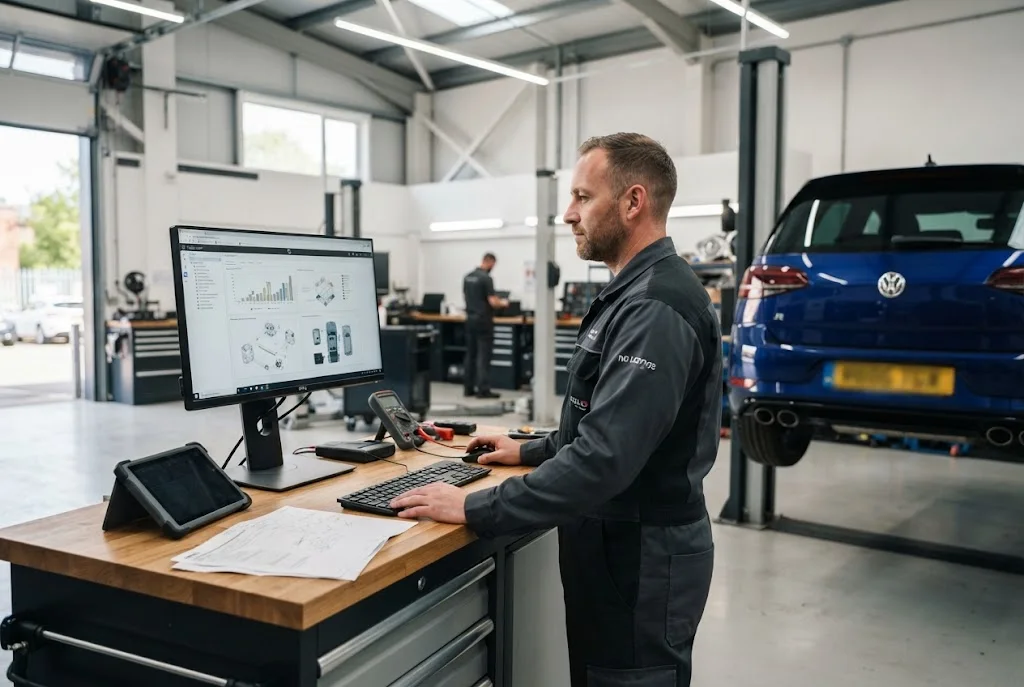
Buying used cars can be an excellent way to get a practical vehicle without paying the price of a brand-new model. However, a lower purchase price does not automatically mean a good deal. The condition of the vehicle, its maintenance history, previous use, mileage, ownership records and outstanding issues can all affect what the car is really worth. Taking time to understand the basics of used car buying can help you make a more informed decision and avoid expensive surprises later.
Whether you are buying your first vehicle, replacing an older car or looking for a reliable family car, the same principle applies: look beyond the appearance and investigate the vehicle properly before committing to the purchase.
What Makes Used Cars Worth Considering?
One of the biggest advantages of buying a used vehicle is choice. The second-hand market includes cars from many manufacturers, age groups and price ranges, making it possible to compare different models according to your budget and requirements.
Depreciation is another reason buyers consider second-hand cars. A new vehicle normally loses value as it ages, while a used buyer can purchase a vehicle after some of that initial depreciation has already taken place. This does not mean every used vehicle is good value, though. A cheap car with poor maintenance can become much more expensive once repairs, tyres, servicing and other running costs are added.
For that reason, the right approach is not simply to find the lowest advertised price. Instead, consider the vehicle’s overall condition, history, expected running costs and suitability for your everyday needs.
Understanding Used Car Buying
Good used car buying starts before you visit a seller. Decide what type of vehicle you need, establish a realistic budget and research the models that fit your requirements.
Think about how the vehicle will actually be used. A small petrol car may make sense for mainly urban journeys, while a larger vehicle may be more suitable for regular motorway driving or family use. If you travel long distances, fuel economy and comfort may be more important than styling. If you carry equipment or need additional space, boot capacity and payload may matter more.
It is also sensible to budget for costs beyond the purchase price. Insurance, vehicle tax, servicing, MOT requirements, tyres, fuel and unexpected repairs can all affect the true cost of ownership.
Once you have shortlisted a few models, compare individual vehicles rather than assuming that every example of the same model will be equally reliable.
How to Identify Reliable Used Cars
Finding reliable used cars requires more than choosing a popular make or model. A well-maintained vehicle with a clear history can be a better purchase than a newer example that has been neglected.
Start by looking at the vehicle’s maintenance records. Regular servicing can provide useful evidence that the previous owner took reasonable care of the car. Pay attention to whether important maintenance has been completed and whether the available records are consistent with the vehicle’s age and mileage.
Condition is equally important. Check the exterior for inconsistent paintwork, dents, scratches and signs of previous repairs. Examine the tyres and look for uneven wear, which may indicate alignment or suspension problems. Inside the vehicle, check the seats, controls, warning lights, infotainment system, heating and air conditioning.
A test drive can reveal issues that are difficult to identify while the car is parked. Listen for unusual noises, check how the vehicle starts from cold and pay attention to braking, steering, clutch operation and gearbox behaviour.
Checking the Vehicle History Before Buying
The vehicle history should be treated as an essential part of your research. GOV.UK recommends checking the registration details, MOT status and history, and other information before buying a used vehicle. You should also check whether the vehicle has been recalled because of a serious safety issue.
You can use the vehicle registration number to check information held by the DVLA. Details can include the date of first registration, MOT information, tax status, engine size, fuel type and other vehicle characteristics. The information you find should match what the seller has told you.
Citizens Advice also recommends considering a private history or data check. Depending on the service, this may reveal information such as outstanding finance, previous theft, serious accident history, mileage concerns or whether the vehicle has previously been written off.
A history check should not replace a physical inspection. Instead, the two checks should work together. A clean-looking report does not guarantee that the car is mechanically sound, while a well-maintained vehicle can still have historical information that deserves further investigation.
For official guidance, check the GOV.UK used vehicle buying guidance before completing a purchase.
Why Ownership Records Matter
Ownership records can provide useful context when assessing a second-hand vehicle. However, it is important to understand what these records actually tell you.
The V5C registration certificate, commonly called the log book, contains important information about the registered keeper and vehicle. It should be available for inspection, and the details should correspond with the vehicle you are viewing.
The number of previous keepers can sometimes be useful background information, but it should not be used as the only measure of vehicle quality. A car with several previous keepers may still be well maintained, while a car with one keeper could have been poorly cared for.
Instead, consider ownership information alongside service records, MOT history, mileage and physical condition. If the paperwork contains inconsistencies or the seller cannot adequately explain important gaps, treat that as a reason to investigate further.
Important Buying Terminology to Know
Understanding common buying terminology can make conversations with sellers much easier. Terms such as “full service history”, “part service history”, “one previous keeper”, “MOT advisory”, “write-off” and “outstanding finance” can all affect how you assess a vehicle.
A full service history generally means the seller has documentation showing regular maintenance, although you should still inspect the actual records rather than relying solely on the phrase used in an advertisement.
MOT advisories are another important term. An advisory does not necessarily mean the car has failed its MOT, but it can identify items that may require attention in the future. Reviewing several years of MOT history can therefore help you identify recurring issues or patterns.
Similarly, a vehicle described as having been written off deserves careful investigation. Different categories have different implications, so buyers should establish exactly what happened, what repairs were carried out and whether appropriate evidence is available.
Second-Hand Cars: What to Check at the Viewing
When viewing second-hand cars, try to inspect the vehicle in good daylight and, where possible, when it is dry. Poor lighting or wet bodywork can make certain defects harder to spot.
- Check the registration number and vehicle identification information.
- Compare the vehicle with its V5C registration certificate.
- Inspect the bodywork for signs of damage or repairs.
- Check the condition and wear of all tyres.
- Look underneath the vehicle for obvious leaks or damage.
- Check warning lights and electrical equipment.
- Examine the interior for excessive wear.
- Review MOT history and available service records.
- Ask questions about missing documents or unexplained gaps.
- Take a proper test drive if you are insured to do so.
GOV.UK advises buyers to check that information supplied by the seller matches DVLA records and to inspect the V5C and vehicle identification details before buying.
Buying from a Dealer or Private Seller
The seller you choose can affect the buying process and the protections available to you. A reputable dealer should be willing to answer reasonable questions about the vehicle and provide relevant documentation.
Private sales can sometimes offer attractive prices, but buyers should carry out their own checks and make sure they understand the transaction before paying. Avoid allowing pressure from a seller to rush your decision.
If a seller refuses reasonable inspection, cannot explain inconsistencies or creates unnecessary urgency, consider walking away. There are always other vehicles available, and avoiding a problematic purchase is often more valuable than securing a seemingly attractive bargain.
Service History and Future Maintenance
Service history is particularly important because your costs do not end when you buy the vehicle. A car that has been maintained correctly may be easier to budget for than one with an uncertain maintenance background.
Look for evidence of routine servicing and ask whether major maintenance has already been completed. Depending on the vehicle, this may include items such as engine oil and filter changes, brake maintenance, timing belt work, transmission servicing or other manufacturer-specified requirements.
Once you have chosen a vehicle, understanding its recommended maintenance requirements becomes the next priority. For example, if you are considering a Toyota, our upcoming guide to Toyota service will explain the key servicing considerations. Buyers looking at Ford models can also explore our guide to Ford service.
For premium vehicles, servicing standards can be particularly important. If BMW is on your shortlist, our dedicated guide to BMW service will cover servicing records, maintenance considerations and common service terminology.
How to Avoid Common Used Car Buying Mistakes
One of the most common mistakes is becoming emotionally attached to a particular vehicle before completing the necessary checks. A clean appearance, attractive specification or persuasive seller can make it tempting to overlook warning signs.
Another mistake is focusing only on mileage. Low mileage can be desirable, but it should always be considered alongside age, maintenance records and overall condition. A higher-mileage vehicle with consistent servicing may be more convincing than a low-mileage car with limited documentation.
Buyers should also avoid assuming that an MOT certificate proves the vehicle is mechanically perfect. An MOT is an important roadworthiness check, but it does not replace a complete inspection or service history review.
Finally, do not ignore paperwork. If the registration details, mileage, service records or ownership information do not make sense, pause the purchase and investigate before handing over money.
Final Thoughts on Used Cars
Buying used cars can offer excellent value when the process is approached carefully. The best purchase is not necessarily the newest, cheapest or lowest-mileage vehicle. It is the one whose condition, history, documentation and future running costs make sense for your circumstances.
Start with a realistic budget, research suitable models, check the vehicle history and MOT records, inspect the car carefully and take a proper test drive. Then consider the service history and expected maintenance requirements before making your final decision.
Taking these steps does not guarantee that you will never experience a problem, but it can significantly improve the quality of your decision. Most importantly, never allow pressure or excitement to replace proper due diligence. A few additional checks before buying can save considerable time, money and inconvenience later.