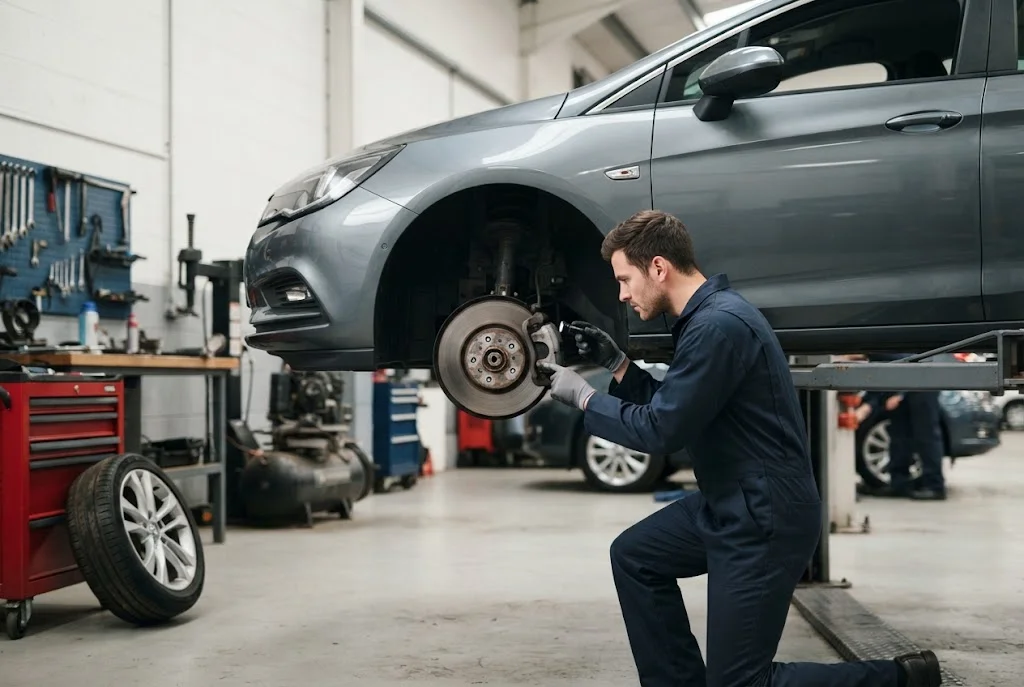
Wheel alignment is an important part of routine vehicle maintenance, yet many drivers only think about it when a car starts pulling to one side or the tyres begin wearing unevenly. Correct alignment helps the wheels sit at the intended angles, supporting predictable vehicle handling, even tyre wear and a smoother driving experience.
Understanding the basics can also help you distinguish alignment problems from issues such as wheel balancing, incorrect tyre pressure or worn suspension components. This guide explains the key alignment terminology, common warning signs, basic alignment procedures and the connection between wheel geometry and everyday driving.
What Is Wheel Alignment?
Wheel alignment is the process of checking and, where necessary, adjusting the angles of a vehicle’s wheels so they match the manufacturer’s specified geometry. Although the term sounds straightforward, alignment involves several measurements that influence how the vehicle responds to steering inputs and how the tyres meet the road.
In everyday driving, correct alignment helps the vehicle travel in a controlled direction without unnecessary steering correction. It can also help prevent abnormal tyre wear caused by wheels that are not positioned at their intended angles.
Drivers may also hear the term wheel tracking. Tracking is commonly used when discussing alignment, particularly adjustments involving the toe angle. However, a complete alignment check can involve more than tracking alone.
Wheel Alignment Terminology Explained
Understanding basic alignment terminology makes it easier to follow a technician’s explanation when your vehicle is inspected. Three important measurements are camber, caster and toe.
Camber
Camber describes the inward or outward tilt of the wheel when viewed from the front of the vehicle. The correct setting depends on the vehicle’s design. Incorrect camber can contribute to uneven wear across the tyre tread.
Caster
Caster relates to the angle of the steering axis when viewed from the side. It contributes to steering behaviour, directional stability and the way the steering returns after a turn.
Toe
Toe describes the direction in which the wheels point when viewed from above. With toe-in, the front edges of the tyres point slightly towards one another, while toe-out means they point slightly away from each other.
These measurements work together as part of the vehicle’s overall wheel geometry. A technician considers the manufacturer’s specifications rather than simply trying to make every wheel visually appear perfectly straight.
Signs Your Car May Need Wheel Alignment
Alignment problems can develop gradually, so the symptoms are not always dramatic. Paying attention to changes in the way your car drives can help you identify a potential issue before tyre wear becomes significant.
- The vehicle pulls to one side: A car that consistently drifts left or right on a suitable straight road may need its alignment checked.
- Uneven tyre wear: Excessive wear on one side or an irregular tread pattern can indicate an alignment or suspension issue.
- An off-centre steering wheel: If the steering wheel sits noticeably off-centre while the vehicle travels straight, an alignment check may be appropriate.
- Unusual handling: Changes in steering response or directional stability can justify a professional inspection.
- Recent impact: Hitting a significant pothole or kerb can affect wheel alignment or other steering and suspension components.
These symptoms do not automatically prove that alignment is the cause. Tyre pressure, damaged wheels, suspension components and other mechanical issues can produce similar driving symptoms. A proper inspection is therefore more useful than trying to diagnose the problem from one symptom alone.
Wheel Alignment vs Wheel Balancing
Wheel balancing and wheel alignment are related areas of wheel and tyre maintenance, but they address different problems.
Balancing concerns the distribution of weight around the wheel and tyre assembly so that it rotates smoothly. An imbalance can produce vibrations, particularly at higher speeds. Alignment, by contrast, concerns the angles and geometry of the wheels in relation to the vehicle.
This distinction matters because a vibrating steering wheel does not necessarily mean the vehicle needs alignment. The AA notes that tyre imbalance, uneven tyre wear, damaged tyres and other wheel or suspension issues can cause steering-wheel vibration.
When diagnosing a vehicle, a technician may therefore check both the tyres and wheels as well as the steering and suspension system.
How Alignment Affects Tyre Wear
Tyres are designed to maintain a particular contact pattern with the road. When wheel geometry is outside the intended specification, a tyre can experience abnormal contact with the road surface, potentially increasing or accelerating uneven wear.
The RAC explains that misaligned wheels can cause tyres to wear unevenly and may also affect handling and fuel consumption. Incorrect tyre pressure can create additional uneven wear, which is why alignment should not be considered in isolation.
Regular visual checks are useful. Look for differences between the inner and outer shoulders of the tread, unusual wear patterns or a tyre that appears significantly different from the others. If something looks unusual, have the vehicle assessed rather than simply replacing the tyre without investigating the underlying cause.
For broader maintenance planning, drivers can also explore auto transmission service as part of understanding how different vehicle systems require separate maintenance routines.
What Happens During Wheel Alignment?
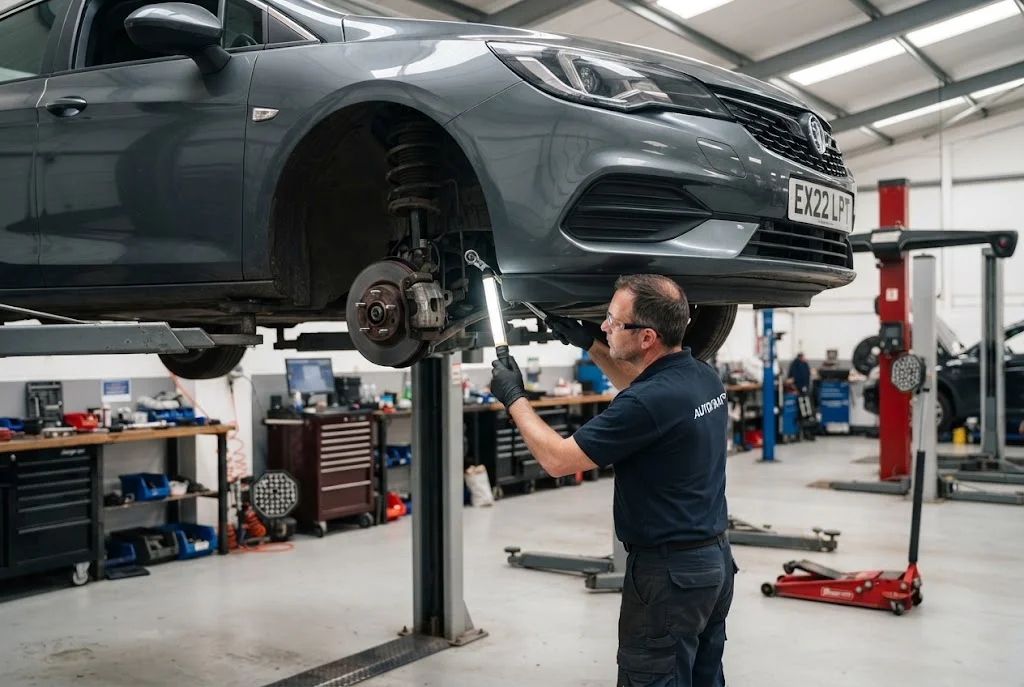
A professional alignment procedure normally starts with an inspection. The technician may examine the tyres, wheels, steering and suspension components before carrying out alignment measurements. This matters because worn or damaged components can affect the accuracy or effectiveness of an adjustment.
Once the vehicle is prepared, specialist alignment equipment measures the relevant wheel angles. The measurements can then be compared with the vehicle manufacturer’s specifications.
If adjustment is possible and required, the technician makes the appropriate changes and checks the measurements again. The exact procedure varies according to the vehicle’s design, suspension system and the equipment being used.
Good alignment work is therefore more than simply adjusting a steering component until the car appears to drive straight. The objective is to bring the relevant geometry within the appropriate specification while identifying any mechanical condition that could interfere with the result.
When Should You Check Wheel Alignment?
There is no single mileage interval that applies identically to every vehicle. Manufacturer guidance, driving conditions, suspension design and vehicle use can all influence maintenance requirements.
It is particularly sensible to consider an alignment check after a significant pothole or kerb impact, when uneven tyre wear becomes visible, or when the steering behaviour changes. New tyres can also be a useful opportunity to check the condition of the existing alignment, especially if the previous tyres showed abnormal wear.
The RAC advises drivers to have alignment checked when a vehicle pulls to one side or tyres wear unevenly. Its guidance also highlights regular maintenance and alignment checks as ways of helping prevent tracking-related problems.
Why Correct Steering Alignment Matters
Steering alignment is closely connected with the way a vehicle responds to driver inputs. When the relevant geometry is correct, the steering system can operate according to the vehicle’s intended design.
If the vehicle feels as though it constantly wants to move away from its intended path, the driver may find themselves making repeated steering corrections. That can make longer journeys less comfortable and may indicate that the vehicle needs inspection.
However, alignment is only one part of vehicle handling. Tyre pressure, tyre condition, suspension, steering components and wheel condition can all influence how a vehicle behaves on the road.
Wheel Alignment and Other Vehicle Maintenance
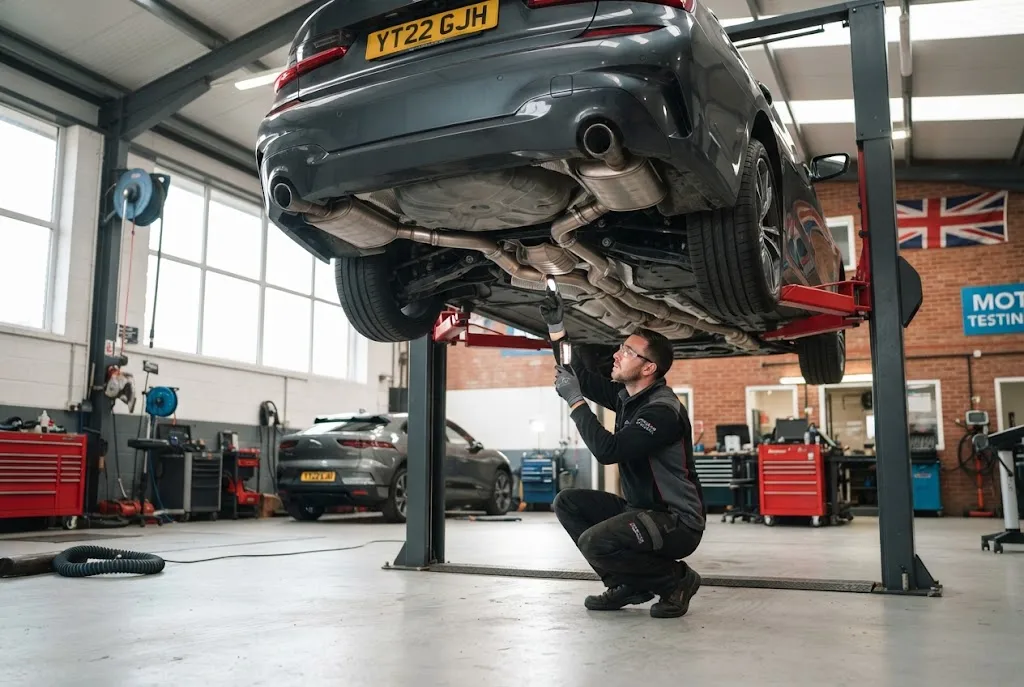
Vehicle maintenance is interconnected, but each system has its own inspection requirements. For example, exhaust components require attention for completely different reasons from wheel geometry. Drivers learning about auto exhaust repair can better understand why exhaust maintenance, emissions equipment and alignment should be treated as separate service areas.
Likewise, climate comfort depends on a different group of components. Understanding auto air conditioning service can help drivers distinguish air-conditioning maintenance from mechanical issues affecting driving performance.
Keeping accurate records can also make vehicle maintenance easier to manage. Details such as inspections, repairs and adjustments can be retained as part of broader automotive documentation, giving owners and technicians a clearer maintenance history.
How to Protect Your Wheel Geometry
Drivers cannot prevent every pothole or road impact, but several simple habits can help reduce unnecessary tyre and wheel problems.
- Check tyre pressures regularly and follow the vehicle manufacturer’s recommended settings.
- Inspect tyres for unusual or uneven tread wear.
- Pay attention to changes in steering behaviour.
- Have significant pothole or kerb impacts checked when necessary.
- Do not ignore persistent pulling, unusual handling or other changes in vehicle behaviour.
- Ask for an alignment inspection when tyre wear suggests a possible geometry problem.
Correct tyre pressures are particularly important because under- or over-inflation can independently affect tyre wear and handling. The AA recommends regular tyre-pressure checks and notes that incorrect pressures can increase wear and affect vehicle handling.
Final Thoughts on Wheel Alignment
Wheel alignment is easier to understand once the distinction between wheel geometry, wheel balancing and tyre condition is clear. Alignment focuses on wheel angles and steering geometry, while balancing addresses the smooth rotation of the wheel and tyre assembly.
For UK drivers, the most useful approach is to watch for practical warning signs such as uneven tyre wear, pulling to one side or an off-centre steering wheel. When these symptoms appear, a professional inspection can establish whether the cause is alignment, tyres, balancing, suspension or another component.
Understanding these basics also makes it easier to communicate with a garage and understand why a particular alignment procedure has been recommended. Combined with sensible tyre care and routine vehicle maintenance, that knowledge can help drivers maintain predictable handling and avoid unnecessary tyre wear.