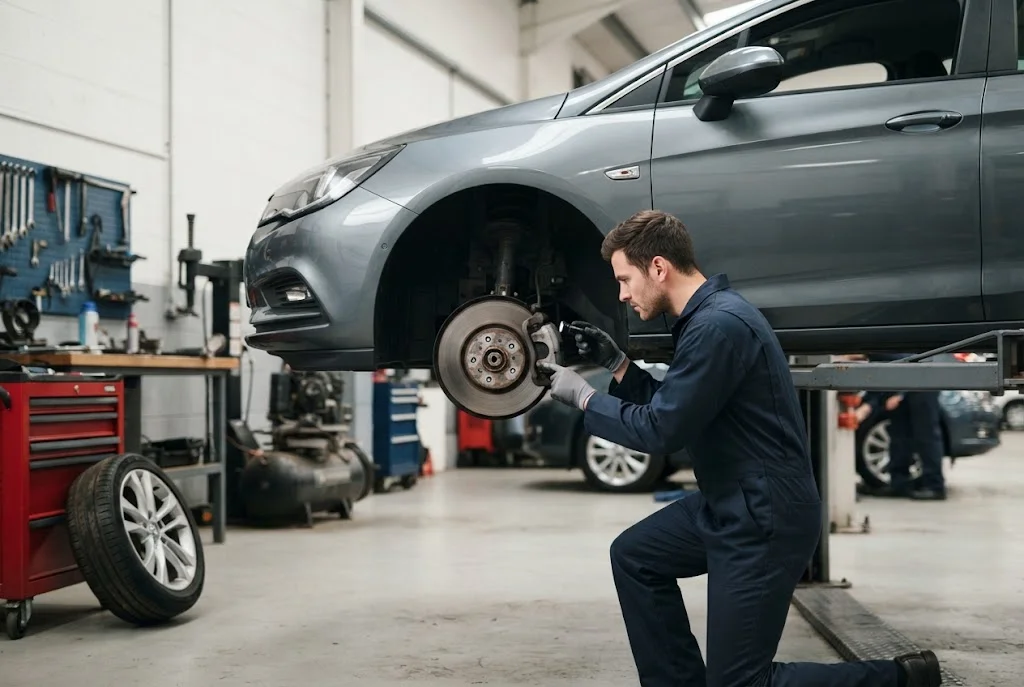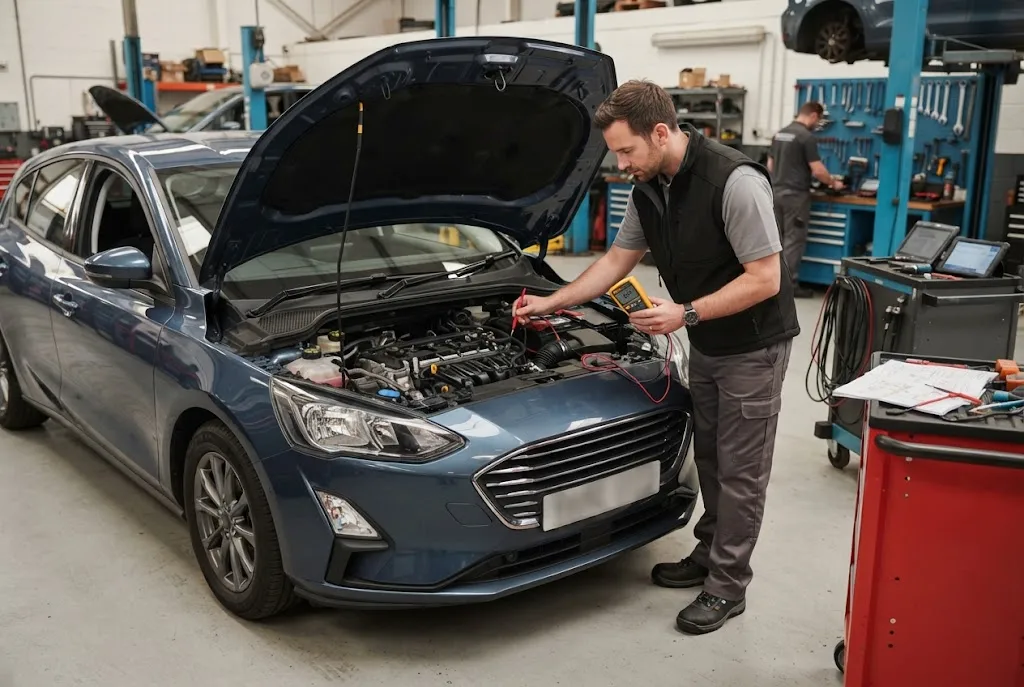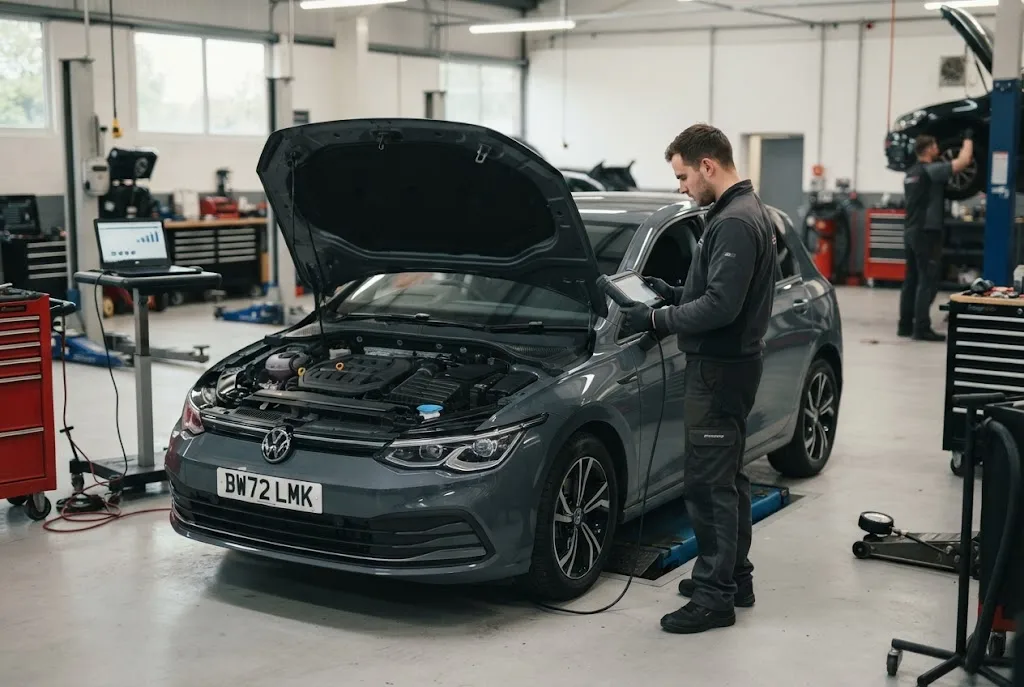
A vehicle’s suspension does much more than make a journey comfortable. It helps keep the tyres in contact with the road, supports the vehicle’s weight and works alongside the steering and braking systems to influence stability and handling. When components become worn or damaged, professional suspension repair can help identify the cause and restore the vehicle’s intended behaviour.
Understanding suspension systems, steering components, wheel alignment and common signs of wear can help UK drivers recognise potential problems. It can also make conversations with a garage easier when a vehicle develops unusual handling, noises or ride-quality issues.
What Is Suspension Repair?
Suspension repair involves inspecting, maintaining or replacing components that form part of a vehicle’s suspension system. The exact work depends on the vehicle’s design and the problem being investigated.
Suspension systems can include springs, dampers or shock absorbers, suspension arms, bushes, ball joints, anti-roll bars and other components. These parts work together to control wheel movement and help the vehicle remain stable over different road surfaces.
Repair may involve replacing an individual worn component or addressing several related parts. A proper inspection is important because similar driving symptoms can have different causes.
How Suspension Systems Work
A vehicle’s suspension allows the wheels to move relative to the body while helping maintain controlled contact with the road. Springs support the vehicle and absorb some of the movement created by bumps and uneven surfaces.
Dampers, commonly called shock absorbers, help control the movement of the springs. Without adequate damping, the vehicle could continue bouncing after encountering an uneven section of road.
Other components locate and guide the wheels through their range of movement. Suspension bushes can reduce unwanted vibration and movement between components, while ball joints and suspension arms allow controlled movement as the vehicle travels and steers.
The result is a balance between ride comfort, stability and handling. When one component becomes worn, the characteristics of the entire system can change.
Common Signs You May Need Suspension Repair
Suspension problems can develop gradually, so drivers may initially notice subtle changes. Common signs include:
- The vehicle feels unusually bouncy after going over bumps.
- The car leans more than expected when cornering.
- There are unusual knocking or clunking sounds over uneven roads.
- The steering feels less precise than usual.
- The vehicle pulls or wanders while driving.
- Tyres show unusual or uneven wear.
- The ride becomes noticeably harsher or less controlled.
- The vehicle appears to sit unevenly.
None of these symptoms automatically confirms a suspension fault. Tyres, steering components, wheel alignment and braking components can also influence how a vehicle feels on the road. A professional inspection can help identify the actual cause.
Suspension Replacement and Worn Components
Suspension replacement can involve individual components or a group of related parts, depending on their condition. Springs can weaken or break, dampers can lose effectiveness, and bushes can deteriorate with age and use.
A technician will normally consider the condition of the component, the manufacturer’s specifications and the vehicle’s symptoms before recommending replacement.
Replacing a worn suspension component can sometimes change the vehicle’s alignment or affect how other components operate. This is one reason suspension work should be followed by appropriate checks rather than treated as an isolated parts replacement.
Shock Absorbers and Dampers
Shock absorbers or dampers control suspension movement. When their performance deteriorates, the vehicle may bounce excessively, feel less stable or behave differently over uneven surfaces.
Reduced damping can also influence handling because the tyres may not remain as consistently controlled against the road surface. If a technician suspects worn dampers, they can assess the components and determine whether replacement is appropriate.
Steering Repair and Suspension Problems
Suspension and steering systems are closely connected. Steering components control the direction of the wheels, while suspension components control their movement relative to the vehicle.
Steering repair may therefore be required when symptoms such as excessive play, unusual steering effort or abnormal movement are identified. Components that may require inspection include steering linkages, joints, steering racks and other vehicle-specific parts.
A vehicle that pulls to one side does not necessarily have a steering fault. Tyre pressure, tyre condition, wheel alignment and suspension components can all contribute to directional behaviour.
This is why a comprehensive inspection is often more useful than replacing a single part based on one symptom.
Steering Alignment and Wheel Alignment
Steering alignment is commonly discussed alongside wheel alignment. Proper alignment helps ensure that the wheels are positioned according to the vehicle manufacturer’s specifications.
Incorrect alignment can contribute to uneven tyre wear, steering that does not feel centred and a vehicle that pulls in one direction. Alignment can be affected by impacts such as potholes or kerbs, as well as by worn or damaged suspension and steering components.
Alignment should therefore be assessed in context. If a suspension component is damaged or excessively worn, simply adjusting alignment may not address the underlying problem.
Suspension Maintenance and Vehicle Safety
Suspension maintenance is part of keeping a vehicle in suitable operating condition. Drivers should pay attention to changes in ride quality, handling, steering response and tyre wear.
Routine servicing and inspections provide opportunities to identify worn components. However, drivers should not wait for a scheduled service if a vehicle suddenly develops unusual handling or noises.
Suspension components also interact with other safety-critical systems. Tyres, brakes, steering and suspension all contribute to a vehicle’s behaviour on the road, so problems in one area can influence the performance or diagnosis of another.
The UK government’s MOT inspection guidance includes checks of suspension components and their condition. For applicable vehicles, excessive corrosion, damage, insecurity and certain forms of wear can result in an MOT defect. The official MOT steering guidance also covers relevant steering components.
Understanding Suspension Terminology
Knowing basic suspension terminology can help drivers understand inspection results.
Springs support the vehicle and allow controlled vertical movement. Shock absorbers or dampers control suspension movement. Suspension arms help locate the wheel assembly, while bushes provide flexible mounting between certain components.
Ball joints allow controlled movement between connected suspension or steering components. An anti-roll bar helps manage differences in suspension movement between the sides of the vehicle during cornering.
Wheel alignment refers to the positioning of the wheels relative to the vehicle and road. Alignment settings can include terms such as camber, caster and toe, although the relevance of each setting depends on the vehicle’s design.
How Suspension Affects Ride Comfort
Ride comfort is one of the most noticeable effects of a suspension system. A properly functioning system helps absorb road irregularities without allowing excessive body movement.
When components wear, the vehicle may feel harsher, noisier or less settled. On the other hand, excessive bouncing can indicate inadequate damping or another suspension-related problem.
Comfort is not the only consideration. Suspension behaviour also affects how confidently the vehicle responds to steering inputs and changes in road surface. A suspension system therefore has both comfort and handling functions.
Handling Basics for Everyday Drivers
Handling basics are easier to understand when you consider how the vehicle responds to steering, acceleration, braking and changes in road surface.
A healthy suspension system helps the vehicle remain controlled when cornering and travelling over uneven roads. If the vehicle suddenly feels unstable, wanders or requires more steering correction than usual, it is worth investigating the change.
Tyres are equally important because they provide the vehicle’s contact with the road. Incorrect tyre pressures or uneven tyre wear can sometimes create symptoms that drivers initially attribute to suspension.
That is why technicians often assess tyres, steering, suspension and alignment together when investigating handling complaints.
Suspension Repair and Vehicle Inspections
A suspension concern may be identified during a broader vehicle inspection rather than through a suspension-specific appointment. This is particularly useful when the driver is unsure whether the problem involves suspension, steering, tyres or another system.
Auto inspection services can provide a broader assessment, while more targeted suspension testing can investigate specific components and symptoms.
Diagnostic information may also be relevant on modern vehicles. Electronic systems can monitor certain suspension, steering or stability functions, meaning a warning light may require both diagnostic testing and physical inspection.
When Should You Book Suspension Repair?
Arrange an inspection if the vehicle develops persistent knocking noises, excessive bouncing, unusual tyre wear, steering changes or noticeable instability.
It is also sensible to have suspension components checked after a significant impact with a pothole or kerb, particularly if the vehicle subsequently feels different.
If steering suddenly becomes difficult, the vehicle develops severe instability or a component appears damaged, avoid unnecessary driving and seek professional assistance. Safety-related faults should be assessed before continuing normal use.
Why Professional Suspension Repair Matters
Suspension systems contain components that work together, and symptoms can overlap between different systems. A knocking sound, for example, can have several potential causes. Similarly, uneven tyre wear may result from alignment, suspension wear, tyre condition or a combination of factors.
Professional inspection allows the relevant components to be assessed rather than relying solely on assumptions. Once the cause has been identified, the technician can recommend appropriate repair or replacement work.
Following repairs, additional checks may be necessary. Wheel alignment can be particularly important where suspension or steering components have been replaced or disturbed.
Final Thoughts on Suspension Repair
Suspension repair is an important part of maintaining a vehicle’s comfort, stability and handling. Springs, dampers, bushes, suspension arms, joints and related components all contribute to how a vehicle behaves on the road.
Drivers should pay attention to unusual noises, excessive bouncing, uneven tyre wear, steering changes and other new handling symptoms. These signs do not automatically identify a specific failed component, but they provide good reasons for a professional inspection.
Understanding the relationship between suspension, steering and alignment can also make vehicle maintenance easier to understand. When a problem develops, a comprehensive assessment can help distinguish between suspension wear, steering faults, alignment issues and other potential causes.
Regular maintenance, appropriate inspections and timely professional repairs can help keep the suspension system functioning as intended and support safe, controlled vehicle handling.