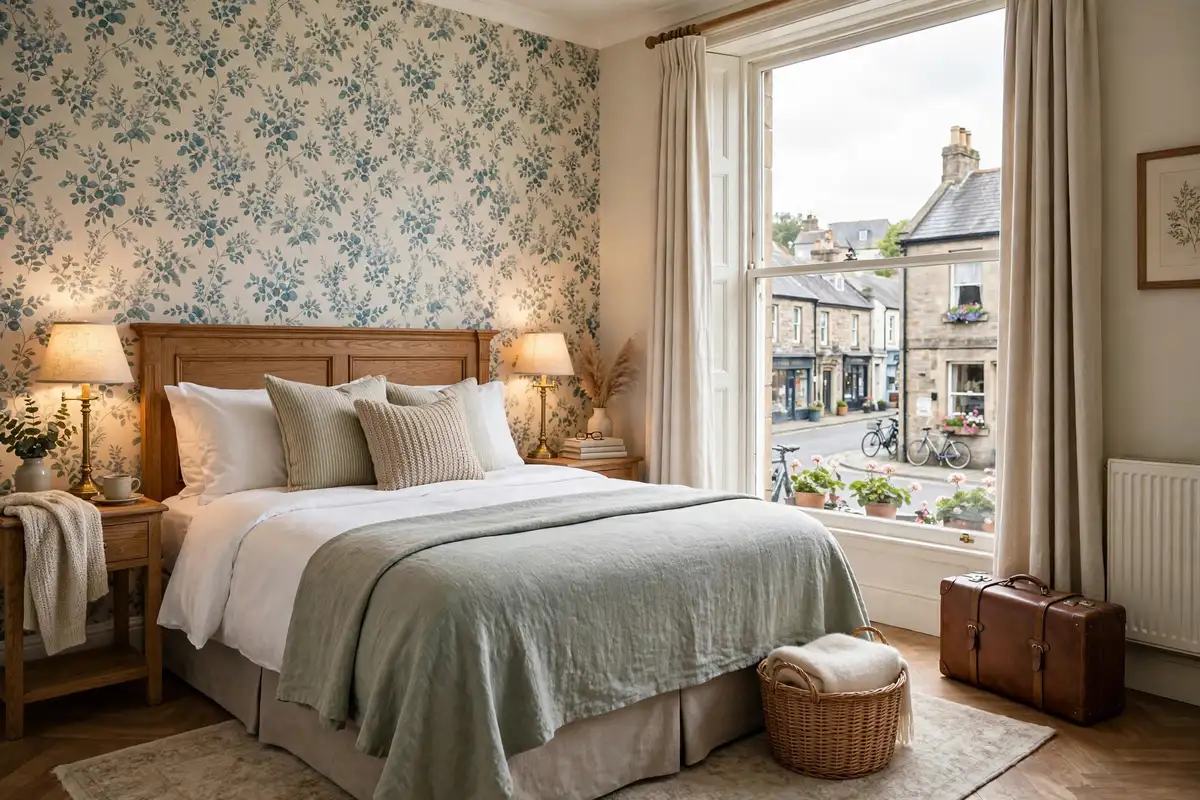
A hotel room upgrade can turn an ordinary stay into something memorable, and you do not need a huge budget or a loyalty card full of points to get one. A hotel room upgrade is simply a better room than the one you booked, often with more space, a better view, or a few extra comforts. Hotels give them out every day, and the guests who receive them are usually the ones who ask in the right way at the right time.
This guide explains how upgrades work in UK hotels, what you can do before you arrive, and what to say at the desk. It also covers the mistakes that make an upgrade less likely, so you can avoid them.
How hotel room upgrades actually work
Hotels keep a small number of rooms free for operational reasons. A room may be out of service for maintenance, or the hotel may need to move a guest because of a noisy neighbour or a faulty shower. When a better room sits empty and a standard room is oversold, the front desk moves someone up. That someone is often the guest who was polite, flexible, and easy to help.
Upgrades also depend on occupancy. On a quiet Tuesday in February, a hotel may have plenty of better rooms free. On a sold-out Saturday during a festival weekend, there may be nothing to give. Timing matters as much as technique, so it helps to know when your hotel is likely to be quiet.
Loyalty programmes do help, but they are not the only route. Many UK hotels, from small independents to large chains, upgrade guests who book direct, arrive with a special occasion, or simply ask nicely. The front desk team has discretion, and they use it for guests who make their job easier.
Book direct and choose the right room first
Booking direct with the hotel gives you the best starting position. Hotels pay commission to booking sites, so a direct booking is worth more to them, and the front desk can see that you booked direct. A direct booking also makes it easier to add a note to your reservation, which the team reads before you arrive.
When you book, pick a room type one step below the one you want. If you want a deluxe room, book a standard room. If you book the cheapest room in the hotel, there may be nowhere to upgrade you to without jumping two categories, which the desk is less likely to do. A small gap is easier to bridge than a large one.
Add a short, honest note to your booking if the system allows it. Mention a birthday, an anniversary, or a first visit to the city. Keep it to one line. Hotels remember occasions, and a genuine note reads very differently from a demanding one. If you want ideas for saving on the stay itself before you even arrive, read our guide to getting cheap hotel deals.
Ask at the right moment
The best time to ask is at check-in, and the best way is calmly and in person. A simple line works well: “If there is a complimentary upgrade available today, I would really appreciate it.” That is it. No long story, no pressure, and no hint that you expect one. If the answer is no, smile and accept it gracefully. The desk may remember your good humour later in the stay.
Arriving earlier in the afternoon can help, because more rooms are still free before the evening rush. Arriving very late reduces your chances, since the best rooms are usually allocated by then. If your plans allow it, aim to check in between two and four in the afternoon.
Be flexible about what you accept. An upgrade might mean a larger room, a quieter floor, or a room with a better view rather than a suite. Saying yes to a smaller improvement keeps the door open, and the desk may offer something better next time. Flexibility is part of the deal.
Special occasions and quiet seasons
Special occasions are the most reliable reason for an upgrade. Hotels want your celebration to go well, because a happy guest leaves a good review and comes back. Mention the occasion when you book and again at check-in, briefly and without demanding anything. A honeymoon, a 50th birthday, or a graduation trip all count.
Quiet seasons work in your favour too. January and February are slow months for many UK hotels outside the big cities, and midweek stays are quieter than weekends. If you can travel outside peak times, your chances rise sharply. A Tuesday night in a seaside town in November is a very different situation from a Saturday in Edinburgh in August.
Longer stays can also help. A guest staying four nights is more valuable to a hotel than a guest staying one night, and the desk may upgrade a longer stay to keep that guest happy. If you are staying several nights, mention it when you ask.
What not to do
Do not demand an upgrade or claim you deserve one. Front desk teams deal with demanding guests every day, and pressure is the fastest way to lose their goodwill. Do not invent a complaint to force a room move either. Staff can tell the difference between a real problem and a tactic, and a fake complaint can sour the whole stay.
Do not book the cheapest room and then complain about it. If you booked the smallest room in the hotel at the lowest price, the desk has little room to move. Pick a sensible starting point and work from there.
Do not rely on a single trick you read online. There is no magic phrase that guarantees an upgrade, and staff have heard them all. Politeness, timing, and flexibility do the real work.
Driving to your stay
Many UK hotel breaks involve a drive, and a smooth journey sets the tone for the stay. Before a long drive, it is worth checking the basics so you arrive relaxed rather than stressed. Our guide to what affects car service costs can help you plan a pre-trip check without overspending, and if your car has been pulling to one side, read our guide to wheel alignment before you set off.
If you are planning a weekend break around your stay, our list of hiking captions is a light read for sharing the trip afterwards, and our piece on bridging cultures through storytelling is worth a look if your break includes meeting people from other places.
A real example
A couple from Leeds booked a standard room for their tenth anniversary at a hotel in York. They booked direct, added one line about the anniversary to the reservation, and arrived at three in the afternoon. At check-in they asked politely whether an upgrade was available. The hotel moved them to a deluxe room with a view of the Minster at no extra cost. Nothing about the request was unusual. They booked direct, chose a sensible starting room, mentioned a real occasion, and asked nicely. That combination works far more often than people expect.
Making every stay feel like an upgrade
A hotel room upgrade is never guaranteed, but it is far from random. Book direct, pick a room one step below the one you want, mention a genuine occasion, arrive in the early afternoon, and ask politely at the desk. Travel outside peak times when you can, and accept a smaller improvement with grace. Even when no upgrade is available, that approach usually earns you the best room in your booked category and a warmer welcome. Try it on your next UK break and see what the front desk can do.