Automotive service companies play a central role in keeping vehicles safe, reliable and roadworthy across the UK. From independent garages and authorised service centres to large national networks, different businesses use different approaches to workshop operations, customer service and vehicle maintenance. Looking at these models can help drivers understand what effective automotive service should look like and what questions to ask when choosing a garage.
The UK automotive aftermarket includes businesses with very different strengths. Some focus on routine servicing and repairs, while others specialise in tyres, accident repair, manufacturer-specific maintenance or increasingly complex vehicle technologies. By examining these approaches as practical case studies, motorists can identify useful best practices without assuming that one type of workshop is automatically right for every vehicle.
Why Automotive Service Companies Are Worth Studying
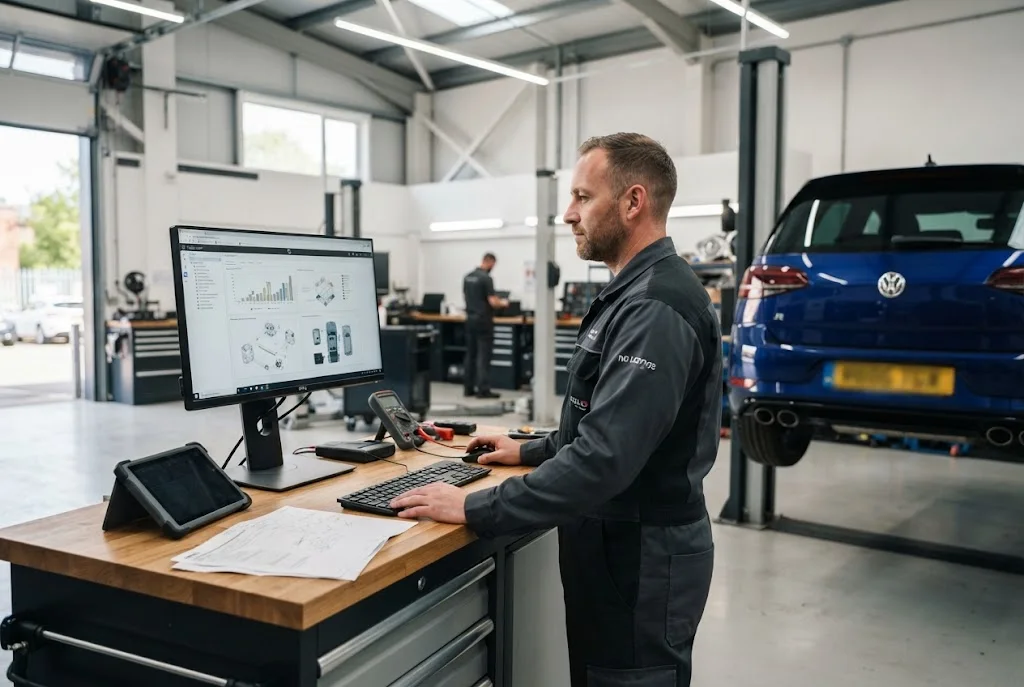
A garage does much more than repair a vehicle when something goes wrong. Effective workshop operations involve appointment management, vehicle inspection, diagnosis, parts sourcing, technician work, quality checks, customer communication and documentation.
When these processes work together, the customer experience can become much more predictable. The driver knows what work has been requested, the technician has the information needed to diagnose the vehicle and the workshop can communicate additional recommendations before proceeding.
This is particularly important as modern vehicles become more technically sophisticated. Hybrid systems, electric drivetrains, electronic controls and advanced driver assistance systems mean that maintenance increasingly requires specialist knowledge rather than simply mechanical experience.
Case Study: Independent Garages and Local Expertise
Independent garages represent one of the most established models within the UK’s automotive service sector. Their biggest potential advantage is often flexibility. A local workshop may develop strong relationships with customers and gain extensive experience with the vehicles commonly driven in its surrounding area.
Customer familiarity can also make communication more personal. A returning customer may deal with the same workshop team over several years, allowing the garage to build a detailed understanding of the vehicle’s maintenance history.
However, independent status does not automatically guarantee quality. Drivers should still consider technician qualifications, equipment, diagnostic capability, customer reviews, warranty arrangements and the garage’s experience with the specific repair required.
The key lesson from the independent model is that strong customer relationships can complement technical expertise. A garage does not need a national footprint to provide a professional service.
Case Study: Authorised Service Centres
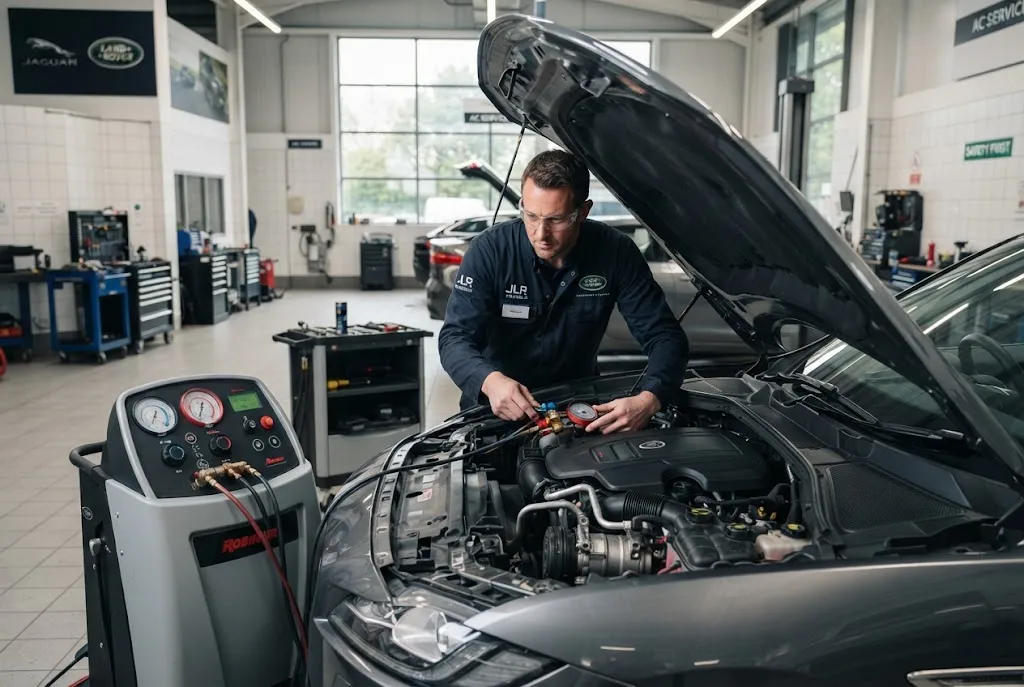
Authorised service centres provide another approach to automotive maintenance. These workshops are generally associated with particular vehicle manufacturers and are designed to work within manufacturer-specific servicing and repair procedures.
For owners of newer vehicles, this model can be attractive because technicians may have access to manufacturer information, diagnostic systems and procedures designed for specific models.
Authorised servicing can also be useful when a vehicle has complex systems that require detailed manufacturer knowledge. However, motorists should still understand exactly what is included in the service and compare the overall value with other suitable options.
The broader best practice is clear: the more specialised the vehicle technology, the more important it becomes to select a workshop with appropriate technical information, diagnostic capability and training.
Case Study: National Garage Networks
Large garage networks demonstrate how standardisation can be used to manage automotive services across multiple locations. As discussed in the article on garage chains, national networks can provide structured booking processes, recognised service packages and consistent operational frameworks.
The advantage of this model is convenience. Customers may be able to book services online, access multiple locations and choose from predefined maintenance options.
However, a national brand should not remove the need for individual evaluation. The quality of communication, technician expertise and customer experience can still vary between locations.
For drivers, the useful lesson is to evaluate both the wider company and the individual workshop. A strong service process should make it easy to understand what is included, what has been found and what action is recommended.
Case Study: Tyre and Fast-Fit Specialists
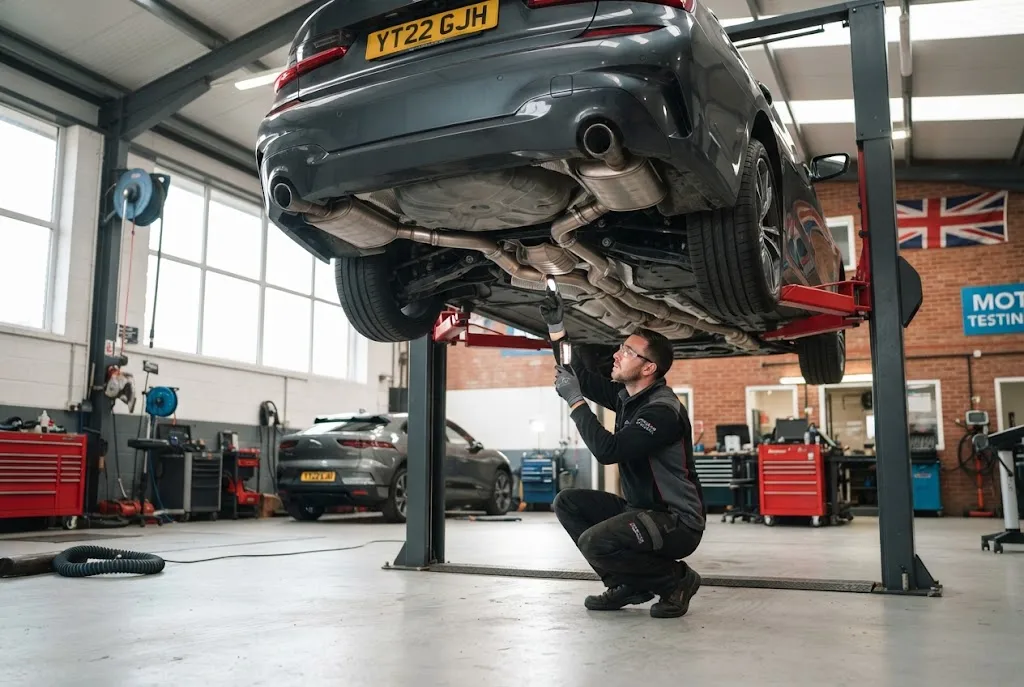
Some automotive service companies focus heavily on common maintenance items such as tyres, brakes, batteries, exhausts and other fast-fit work. This model is designed around relatively frequent vehicle maintenance requirements and efficient workshop turnaround.
Fast-fit businesses can be particularly convenient when a driver needs a straightforward replacement or inspection. However, tyre and brake work should still be treated as safety-critical maintenance rather than simply a quick purchase.
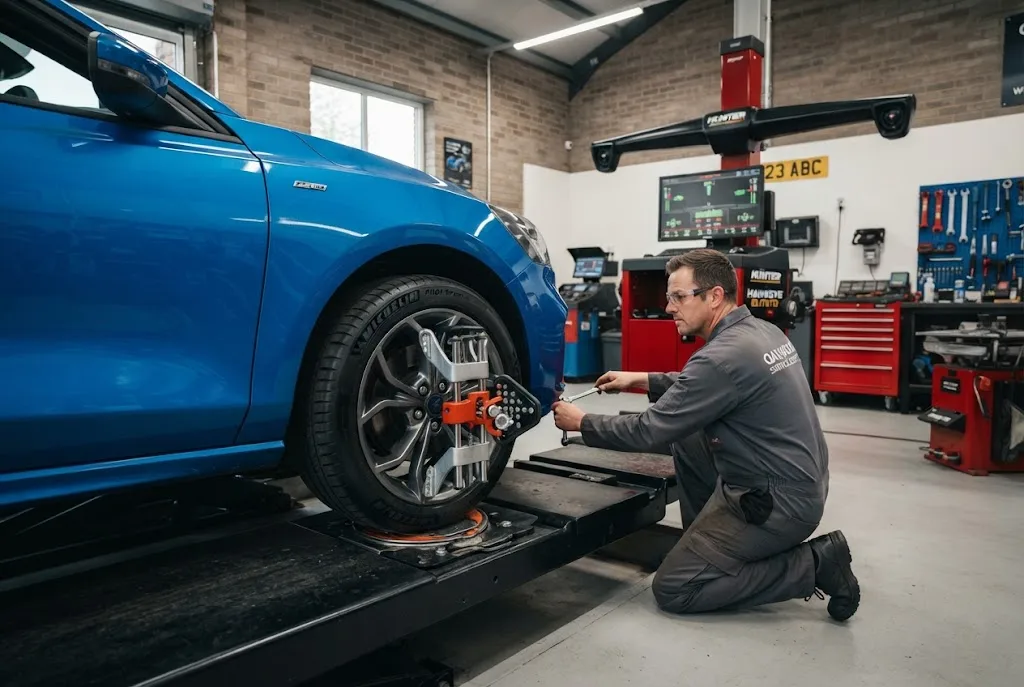
For example, tyre-related concerns may involve more than tread depth. Wheel alignment, tyre pressure, balancing, steering components and suspension condition can all influence vehicle behaviour.
This is why a good workshop should look at the relevant system rather than simply replacing the visibly worn component. Drivers can learn more about this relationship through our guide to wheel alignment.
Case Study: Accident Repair Specialists
Accident repair businesses provide a different example of automotive service. Unlike routine maintenance, body repair often begins with damage assessment and can involve structural inspection, panel replacement, paintwork and electronic system checks.
The workshop therefore needs a carefully managed process from initial inspection through to final quality control.
Customer communication is especially important in this situation. A driver who has been involved in an accident may already be dealing with insurance claims, transport arrangements and uncertainty about the condition of the vehicle. Clear explanations about repair stages can make the process easier to understand.
The lesson for the wider automotive sector is that customer service should reflect the customer’s circumstances. Technical competence matters, but communication and process management matter too.
Workshop Operations: What Good Garages Have in Common
Although automotive service companies can operate very differently, effective workshops tend to share several fundamental practices.
Accurate Vehicle Identification
Before work begins, the workshop needs accurate information about the vehicle. Registration details, model information, mileage and service history can help technicians understand what maintenance may be required.
Clear Job Descriptions
The requested work should be recorded clearly. A vague job description can make diagnosis and communication more difficult, particularly when the customer reports an intermittent problem.
Systematic Diagnosis
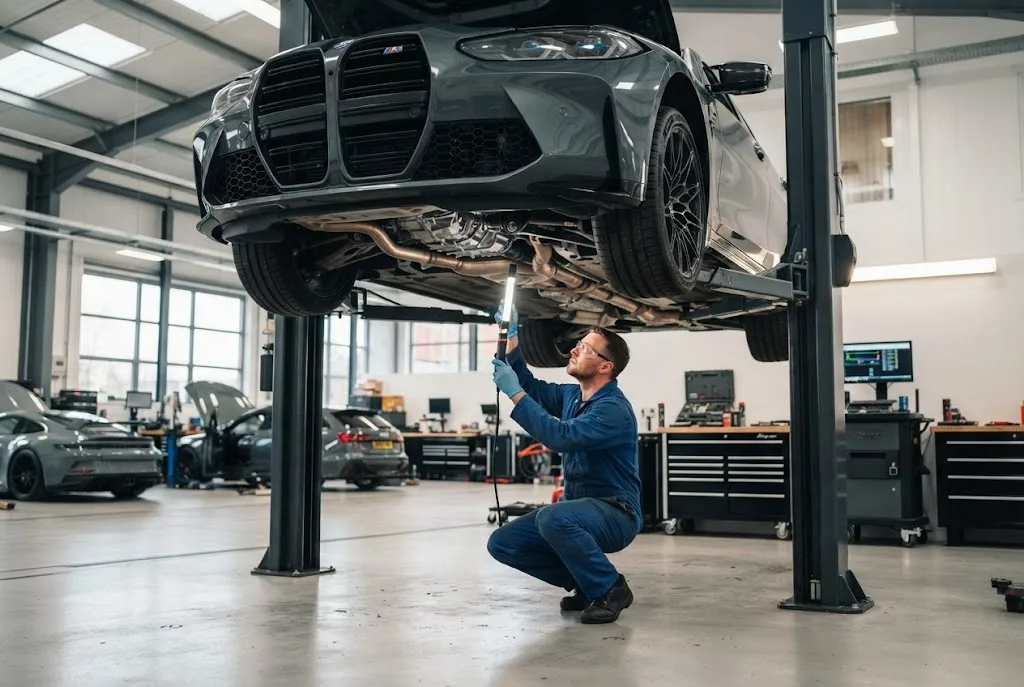
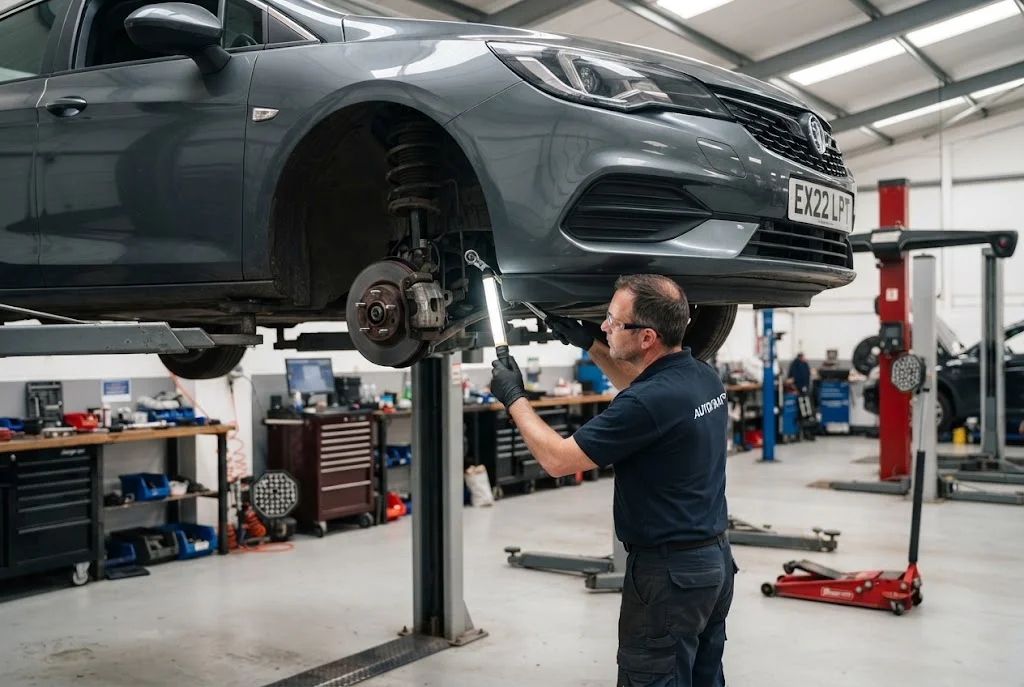
Good maintenance should be based on evidence rather than assumptions. Technicians may need visual inspections, road tests, diagnostic equipment or component testing to identify the underlying problem.
Transparent Recommendations
If additional work is discovered, the customer should receive a clear explanation. Where appropriate, the workshop should distinguish between safety-critical repairs, necessary maintenance and preventative recommendations.
Quality Control
A final inspection can help identify issues before the vehicle is returned. This may include checking fluid levels, warning lights, fasteners, tyre pressures or other components affected during the repair.
Customer Service Is a Core Automotive Best Practice
Customer service is sometimes treated as a separate part of the garage experience, but it is closely connected to technical quality.
A technically competent repair can still create a poor customer experience if the driver does not understand what was done, why additional work was recommended or what maintenance should happen next.
Good communication should begin before the repair. The workshop can confirm the booking, record the customer’s concerns and explain the expected process.
During the job, additional findings should be communicated before non-agreed work is carried out wherever practical. After completion, the customer should receive appropriate documentation and information about any future maintenance requirements.
Maintenance Processes Should Be Repeatable
One of the strongest lessons from professional workshop operations is the value of repeatable maintenance processes. A reliable process reduces the chance that important checks will be forgotten when a workshop becomes busy.
For routine servicing, this can include confirming the correct service schedule, checking relevant fluids and filters, inspecting important safety components and recording completed work.
However, repeatability does not mean every vehicle should be treated identically. Manufacturer specifications, vehicle age, mileage, engine type and previous repairs can all affect the correct maintenance approach.
This balance between standard procedures and vehicle-specific decisions is particularly important for hybrid and electric vehicles.
What Hybrid and EV Servicing Teaches the Industry
The development of hybrid and electric vehicles provides a useful example of why automotive service companies must continue adapting their skills.
Hybrid vehicles combine an internal combustion engine with an electric drive system, creating maintenance requirements that differ from conventional vehicles. Understanding hybrid servicing can therefore help drivers recognise why specialist training and safety procedures may be required.
Electric vehicles create another set of requirements involving high-voltage systems, battery technology, charging equipment and specialised diagnostics. Drivers considering an EV workshop should understand the fundamentals of EV servicing before selecting a provider.
The broader case-study lesson is that workshop capability must evolve alongside vehicle technology. A business that was well equipped for older vehicles may need additional training, tools and safety procedures to support newer powertrains.
Best Practices Drivers Can Take From Automotive Service Companies
Studying different workshop models gives motorists several practical principles to use when choosing automotive services.
Choose Expertise for the Job
A routine tyre replacement, complex electronic fault and accident repair may require different types of expertise. Choose the workshop according to the work required rather than convenience alone.
Ask What Is Included
Before approving a service, ask what inspections, replacements and checks are included. This makes comparisons between garages much easier.
Request Clear Explanations
If additional repairs are recommended, ask the workshop to explain the fault and its significance. Understanding the problem allows the vehicle owner to make a better-informed decision.
Keep Documentation
Invoices, service records and repair documentation provide a useful history for future maintenance. They can also support the vehicle’s resale value by demonstrating that appropriate servicing has taken place.
Consider Future Maintenance
Good vehicle care is not limited to solving today’s problem. A professional workshop should be able to identify relevant upcoming maintenance and help the owner plan for it.
How Automotive Service Companies Can Improve Customer Trust
From the customer’s perspective, trust is built through a combination of technical competence and transparency. Workshops can strengthen that trust by providing realistic estimates, explaining unexpected findings and avoiding unnecessary jargon.
Digital booking and automated reminders can improve convenience, but technology should support rather than replace communication. When a significant repair is required, customers still benefit from a clear explanation from someone who understands the vehicle.
Likewise, a professional workshop should make its policies easy to understand. Information about warranties, parts, labour, service intervals and follow-up support can reduce misunderstandings after the vehicle leaves the garage.
The Future of Automotive Workshop Operations
Automotive service is becoming increasingly dependent on technology. Diagnostic systems, electronic control units, connected vehicles, advanced safety systems and electrified powertrains are changing the skills required within workshops.
As a result, successful automotive service companies will need to combine traditional mechanical expertise with continuing technical development.
For customers, this means workshop selection will increasingly depend on capability rather than simply location. The most suitable garage may be the one with the right equipment, training and experience for the vehicle and repair involved.
Final Takeaway
Automotive service companies provide useful case studies in technical expertise, workshop operations, maintenance processes and customer service. Independent garages can demonstrate the value of local relationships, authorised service centres can offer manufacturer-specific expertise, national networks can provide structured processes, while specialists can focus deeply on particular areas of vehicle maintenance.
For UK drivers, the main lesson is to judge a workshop by its actual capabilities and service standards rather than relying on its size or brand recognition. Clear communication, systematic diagnosis, appropriate technician expertise, transparent recommendations and reliable documentation are valuable indicators of a professional automotive service.
As vehicles continue to evolve, these principles will become even more important. Whether maintaining a conventional car, hybrid or electric vehicle, choosing the right workshop can make vehicle ownership safer, more predictable and easier to manage.
For official guidance on vehicle safety, MOT testing and maintaining roadworthiness, drivers can consult the GOV.UK MOT guidance.