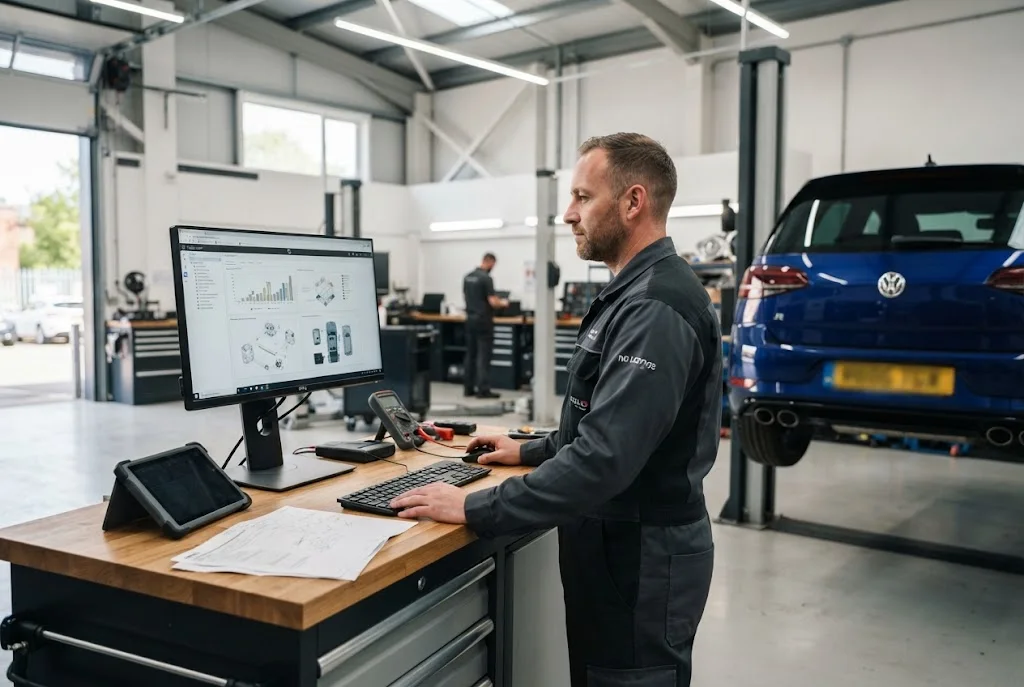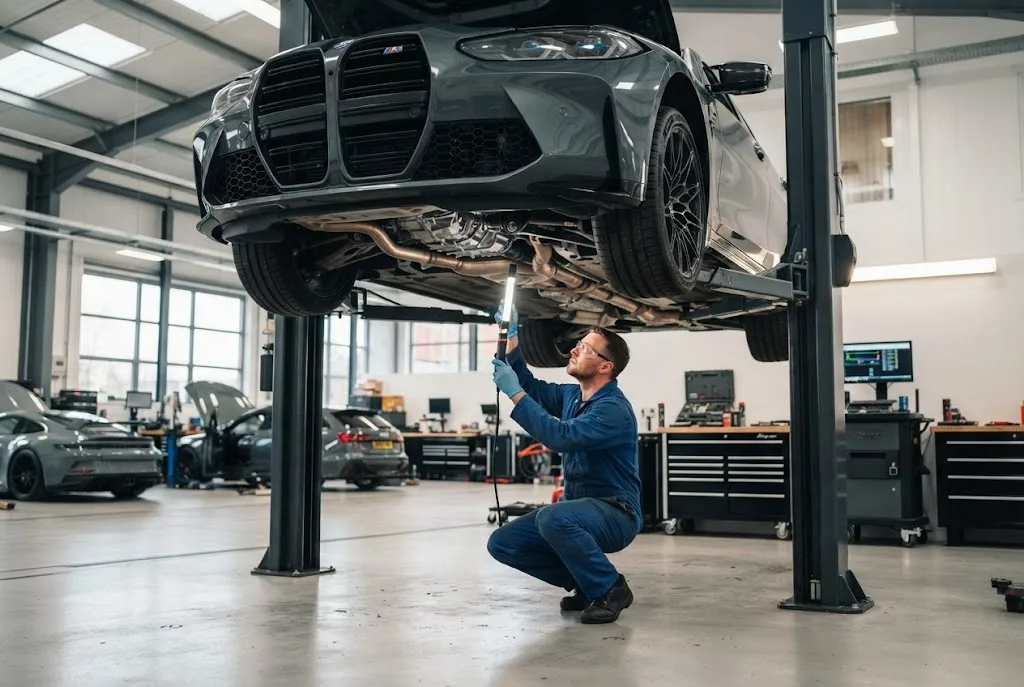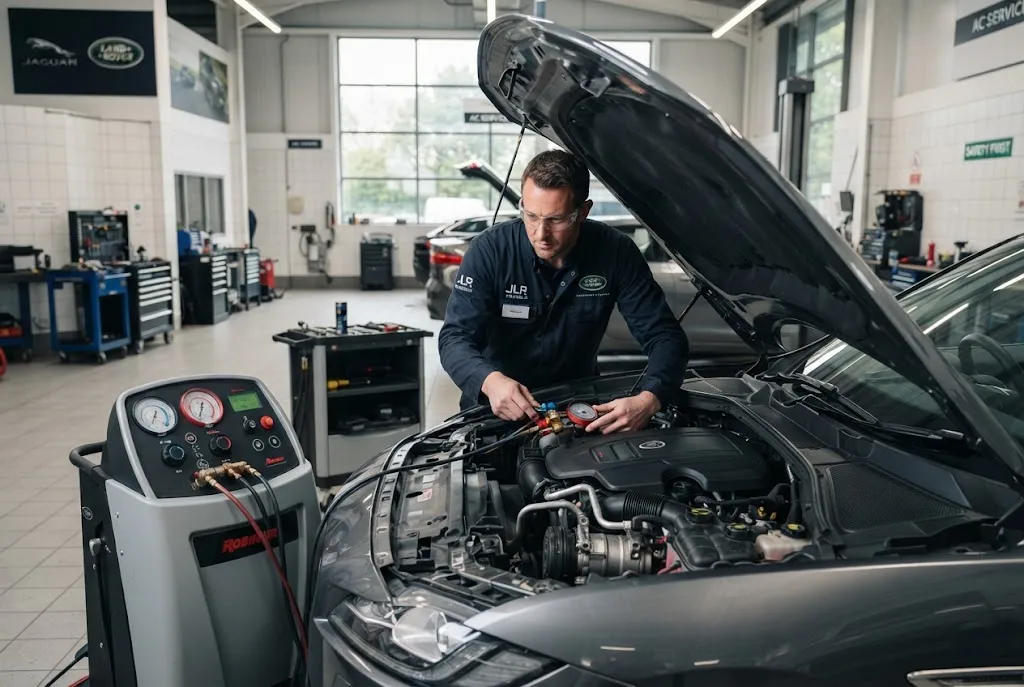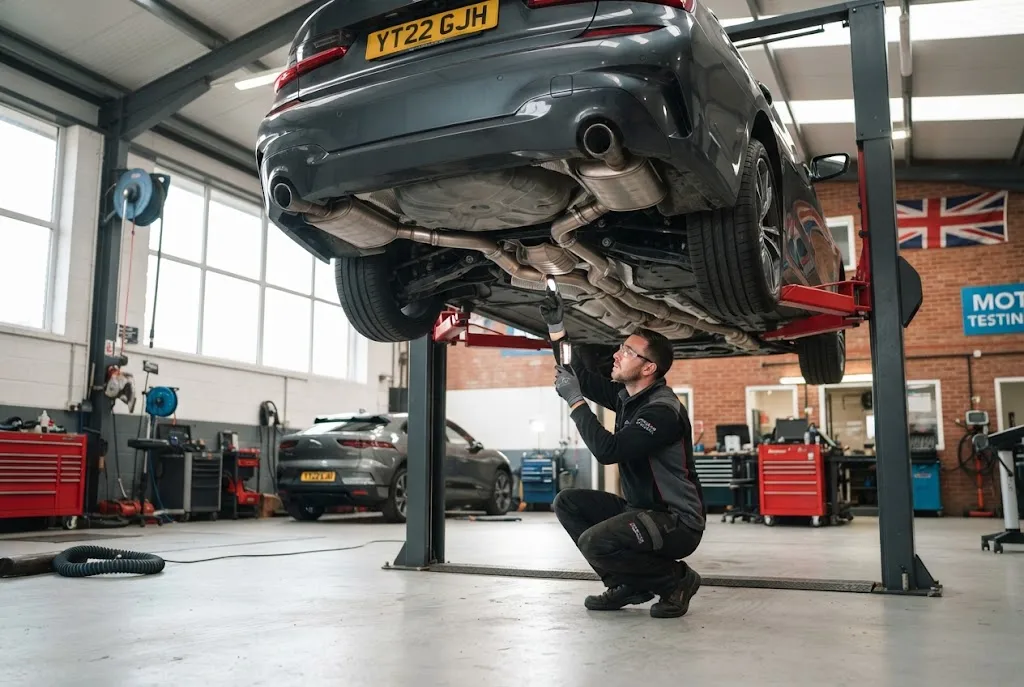
Hybrid servicing is becoming increasingly important as more UK drivers choose vehicles that combine an internal combustion engine with electric propulsion. Although hybrids share many familiar components with conventional cars, their hybrid systems introduce additional technology, battery equipment and safety considerations. Understanding how hybrid maintenance works can help owners choose an appropriate garage and recognise the terminology used during servicing.
Hybrid vehicles are not all identical. Some use self-charging hybrid systems, while plug-in hybrids can also be connected to an external charging point. Their mechanical layouts and servicing requirements can therefore differ by manufacturer and model. For that reason, the vehicle handbook and manufacturer’s maintenance schedule should remain the primary reference when planning routine servicing.
What Is Hybrid Servicing?
Hybrid servicing involves maintaining the mechanical, electrical and electronic systems that allow a hybrid vehicle to operate safely and efficiently. Depending on the vehicle, routine maintenance can include many of the same checks found on conventional cars, alongside inspections associated with the hybrid powertrain.
A typical service may involve checking components such as the engine, brakes, tyres, suspension, fluids and filters. Hybrid-specific procedures can also involve diagnostic checks of the hybrid system and battery.
The exact requirements vary according to the manufacturer, model, age, mileage and service schedule. Therefore, owners should avoid assuming that every hybrid requires the same maintenance package.
Why Hybrid Servicing Is Different
Hybrid vehicles combine more than one source of propulsion. A conventional petrol car primarily relies on its internal combustion engine, whereas a hybrid can use an engine and electric motor together or separately depending on the driving conditions and vehicle design.
This creates additional components and control systems that technicians need to understand. High-voltage electrical systems also require appropriate safety procedures and specialist knowledge.
The Health and Safety Executive notes that people working on electric and hybrid vehicles may need additional skills, specialist tools and equipment. It also highlights the significantly higher voltages present in these vehicles compared with conventional 12-volt and 24-volt systems. :contentReference[oaicite:0]{index=0}
For owners, this does not mean every routine service requires complex battery work. It does mean that a workshop should have the appropriate competence when a repair or inspection involves the hybrid system.
Hybrid Systems Explained
The term “hybrid system” describes the collection of components that allows the vehicle’s engine and electric propulsion system to work together. Although manufacturers use different designs, the system can include an internal combustion engine, one or more electric motors, a traction battery, power electronics and control systems.
Regenerative braking is another important part of many hybrid systems. Instead of relying entirely on friction brakes during every slowing event, the vehicle can recover some kinetic energy and use it to recharge the traction battery.
This technology changes the way some components operate. For example, regenerative braking can contribute to reduced use of the friction braking system in certain driving conditions. However, brake inspections remain an important part of vehicle maintenance.
Hybrid Battery Technology
The traction battery is one of the most recognisable components of a hybrid vehicle. It stores electrical energy used by the electric drive system, but the technology and battery configuration vary between manufacturers and models.
A hybrid can also have a separate 12-volt auxiliary battery. This lower-voltage battery supports conventional electrical functions and is distinct from the high-voltage traction battery. Toyota, for example, explains that its hybrid vehicles have both a 12-volt auxiliary battery and a larger traction battery. :contentReference[oaicite:1]{index=1}
This distinction is useful because a problem with the 12-volt battery is not necessarily a problem with the hybrid traction battery. Drivers should therefore avoid treating every battery-related warning as evidence of traction-battery failure.
Toyota Hybrid Service as an Example
Toyota provides a useful example of how a manufacturer can structure hybrid maintenance. Also Toyota UK states that its Hybrid Service includes checks of the vehicle’s hybrid system and hybrid battery by Toyota technicians. It also recommends servicing its hybrids every 12 months or 10,000 miles, whichever comes first, although owners should follow the specific schedule for their vehicle. :contentReference[oaicite:2]{index=2}
This illustrates an important principle for hybrid owners: manufacturer-specific service programmes can include checks that go beyond a basic inspection of the petrol or diesel-style mechanical components.
Toyota also states that its hybrid service can support eligibility for additional Hybrid Battery Extended Cover under its applicable terms. The precise conditions depend on the vehicle and programme, so owners should check the manufacturer’s current terms rather than assuming that a particular benefit applies automatically. :contentReference[oaicite:3]{index=3}
What Happens During Hybrid Maintenance?
The exact service procedure depends on the vehicle, but hybrid maintenance can involve several broad areas.
Engine and Mechanical Checks
Where a hybrid has an internal combustion engine, the engine still requires appropriate maintenance. Depending on the service schedule, this can involve oil, filters, coolant and other components.
The presence of an electric motor does not eliminate the need for conventional mechanical maintenance. Instead, the vehicle combines traditional maintenance requirements with additional hybrid technology.
Brake Inspection
Braking systems remain essential safety components. Hybrid vehicles may use regenerative braking alongside conventional friction brakes, so technicians need to understand how the two systems interact.
Brake discs, pads and other relevant components should still be inspected according to the manufacturer’s requirements and the vehicle’s condition.
Tyres and Suspension
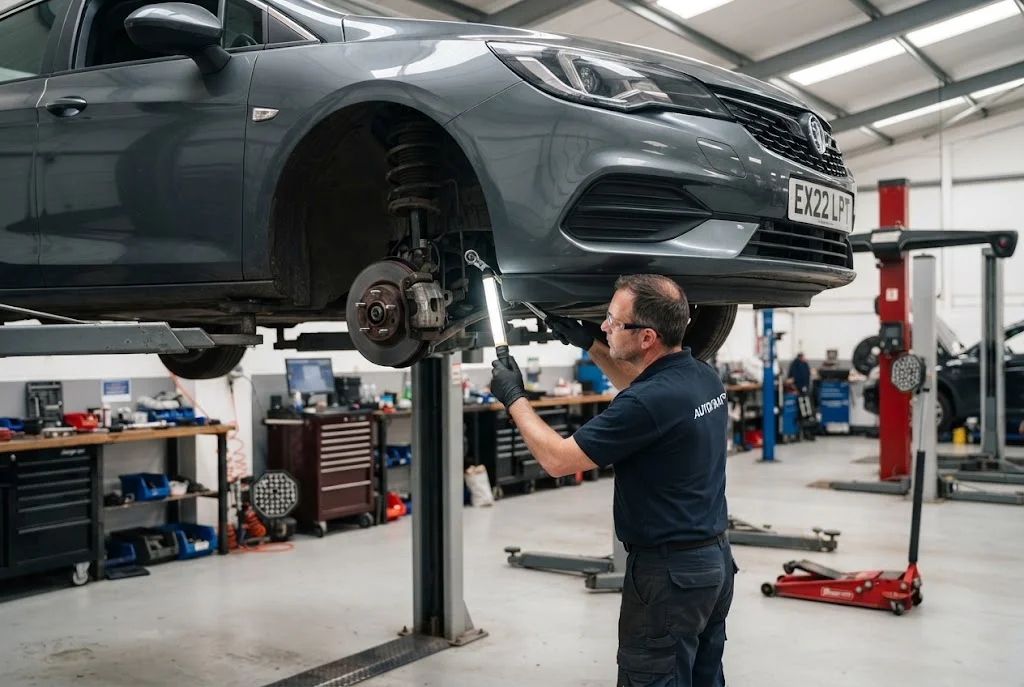
Tyres and suspension remain fundamental to vehicle safety and handling. Uneven tyre wear or steering symptoms may indicate issues that require further investigation.
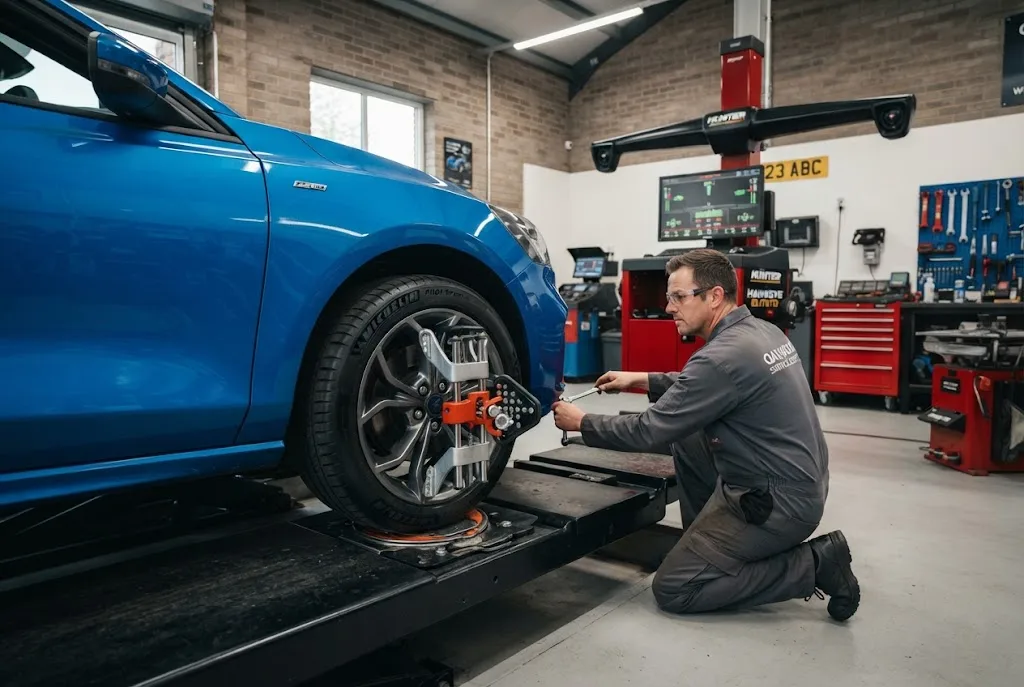
Owners who notice the vehicle pulling to one side, unusual tyre wear or a steering wheel that does not sit correctly may also want to understand wheel alignment before booking further work.
Diagnostic Checks
Modern hybrids rely heavily on electronic control systems. Diagnostic equipment can help technicians identify faults and interpret warning messages.
However, diagnostic equipment is only one part of the process. A fault code should be interpreted in the context of the vehicle’s symptoms, service history and manufacturer procedures rather than treated as an automatic instruction to replace a component.
Do Hybrid Cars Need Specialist Servicing?
Routine maintenance on a hybrid can overlap with conventional vehicle servicing, but some repairs require hybrid-specific knowledge and safety procedures.
When choosing a garage, owners should ask whether technicians have experience with hybrid systems and whether the workshop has suitable equipment for the work required.
This becomes particularly important if a job involves the high-voltage system, traction battery, power electronics or other components associated with electric propulsion.
For simple work such as tyres or some conventional mechanical repairs, the relevant expertise may be less specialised. For hybrid-system diagnosis or high-voltage repairs, however, the workshop’s training and equipment become much more important.
Hybrid Safety and High-Voltage Components
High-voltage components are one of the most important differences between hybrids and conventional vehicles. UK government MOT guidance states that propulsion batteries in electric and hybrid vehicles carry high voltage and that additional care should be taken when testing them. :contentReference[oaicite:4]{index=4}
This is why owners should not attempt to dismantle or interfere with high-voltage components simply because a warning light has appeared. Work involving these systems should be handled using appropriate manufacturer procedures and by suitably trained personnel.
The same principle applies when selecting a workshop. A garage that is suitable for routine servicing may not necessarily be equipped for high-voltage battery diagnosis or repair.
Understanding Common Hybrid Terminology
Hybrid terminology can initially seem confusing, especially when manufacturers use different names for similar technologies. Understanding the basic terms can make service discussions easier.
HEV
HEV stands for Hybrid Electric Vehicle. It generally refers to a hybrid that combines an internal combustion engine with electric propulsion and does not require external charging in the way a plug-in hybrid does.
PHEV
PHEV stands for Plug-in Hybrid Electric Vehicle. These vehicles can be connected to an external electricity supply to charge the traction battery, while also retaining an internal combustion engine.
Regenerative Braking
Regenerative braking is a system that can recover some energy during deceleration and return it to the vehicle’s electrical energy storage system.
Traction Battery
The traction battery is the high-voltage battery used to provide electrical energy for propulsion. It should not be confused with the smaller 12-volt auxiliary battery.
Hybrid Control System
This broad term can refer to the electronic systems that coordinate the engine, electric motor, battery and other components. The exact architecture differs between manufacturers.
How Often Should a Hybrid Be Serviced?
There is no universal servicing interval for every hybrid. The correct schedule depends on the manufacturer, model, mileage, age and driving conditions.
Toyota UK, for example, currently states that Toyota hybrids should generally be serviced every 12 months or 10,000 miles, whichever comes sooner, while noting that specific vehicles can have different schedules. :contentReference[oaicite:5]{index=5}
Owners should therefore check their handbook, service documentation or manufacturer’s official service system before deciding when maintenance is due.
Keeping a consistent service history is useful too. Toyota notes that service history helps demonstrate that a vehicle has been maintained and can support future ownership and resale considerations. :contentReference[oaicite:6]{index=6}
How to Choose a Hybrid Service Centre
Choosing the right workshop is one of the most important parts of hybrid ownership. Drivers should consider the type of work required rather than selecting a garage solely because it is nearby.
Ask About Hybrid Experience
Find out whether the workshop regularly works on hybrid vehicles and whether its technicians have appropriate training for the job.
Check the Required Equipment
If the issue involves diagnostics or the high-voltage system, ask whether the garage has the necessary diagnostic equipment and safety procedures.
Confirm the Service Scope
Ask what the service includes before authorising the work. This makes it easier to compare different providers and understand whether hybrid-specific checks are part of the package.
Keep Manufacturer Requirements in Mind
Manufacturer schedules can include vehicle-specific checks and requirements. A workshop should be able to work from the appropriate service information for the vehicle.
Hybrid Maintenance Mistakes to Avoid
Hybrid ownership is generally straightforward, but several assumptions can lead to poor maintenance decisions.
One mistake is assuming that a hybrid does not need conventional servicing because it uses an electric motor. The petrol engine, brakes, tyres, suspension and other components still require appropriate maintenance.
Another mistake is assuming that every battery warning means the traction battery needs replacing. Battery-related problems can involve different systems, including the 12-volt auxiliary battery, and require proper diagnosis.
It is also unwise to treat high-voltage components like ordinary electrical parts. Where specialist systems are involved, trained technicians and appropriate safety procedures are essential.
Hybrid Servicing and the Future of UK Vehicle Maintenance
As hybrids remain part of the UK’s changing vehicle mix, workshops will need to maintain a combination of traditional mechanical skills and modern electrical knowledge.
This shift is also relevant when comparing hybrid vehicles with fully electric cars. Drivers considering an EV should understand the different requirements involved in EV servicing, particularly around high-voltage systems, battery technology and specialist diagnostics.
The growth of electrified vehicles does not make traditional garage expertise irrelevant. Instead, it expands the range of knowledge that modern automotive service companies need to provide.
Final Takeaway
Hybrid servicing combines familiar vehicle maintenance with additional checks and knowledge relating to hybrid systems, electric motors, high-voltage components and battery technology. The exact requirements vary between vehicles, so owners should always follow the manufacturer’s service schedule and seek appropriate technical expertise when specialist work is required.
For UK drivers, understanding basic hybrid terminology can make conversations with garages much easier. Knowing the difference between a traction battery and a 12-volt battery, understanding regenerative braking and recognising when specialist hybrid expertise may be necessary can all lead to better maintenance decisions.
As hybrid technology continues to develop, choosing a workshop with suitable training, equipment and experience will remain an important part of responsible vehicle ownership.
For official information about working safely with electric and hybrid vehicles, drivers and automotive professionals can consult the HSE guidance on electric and hybrid vehicles.