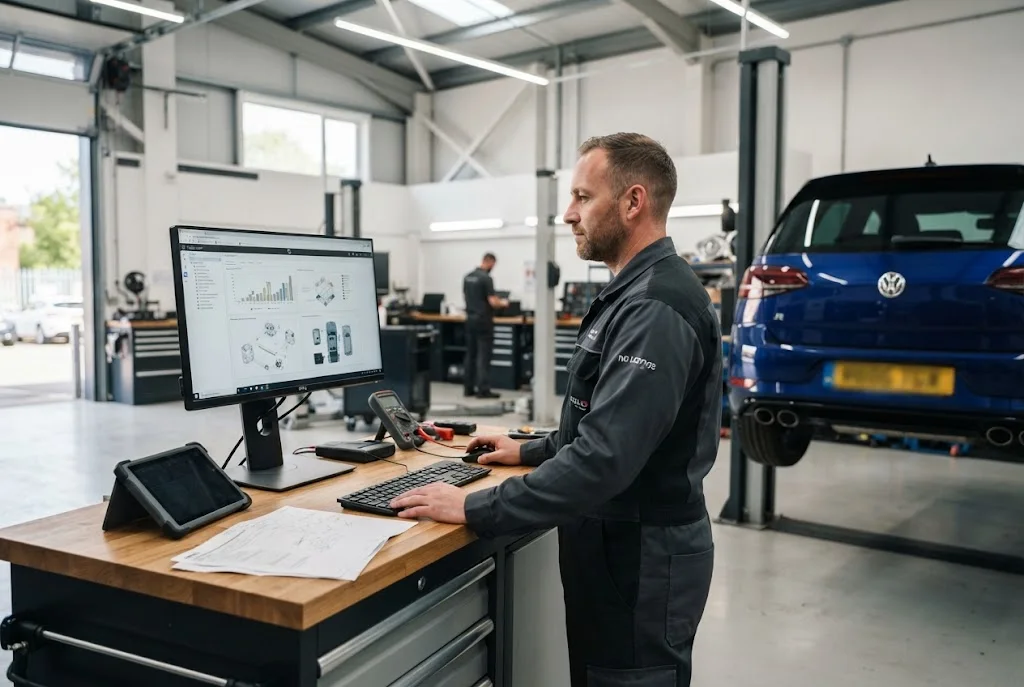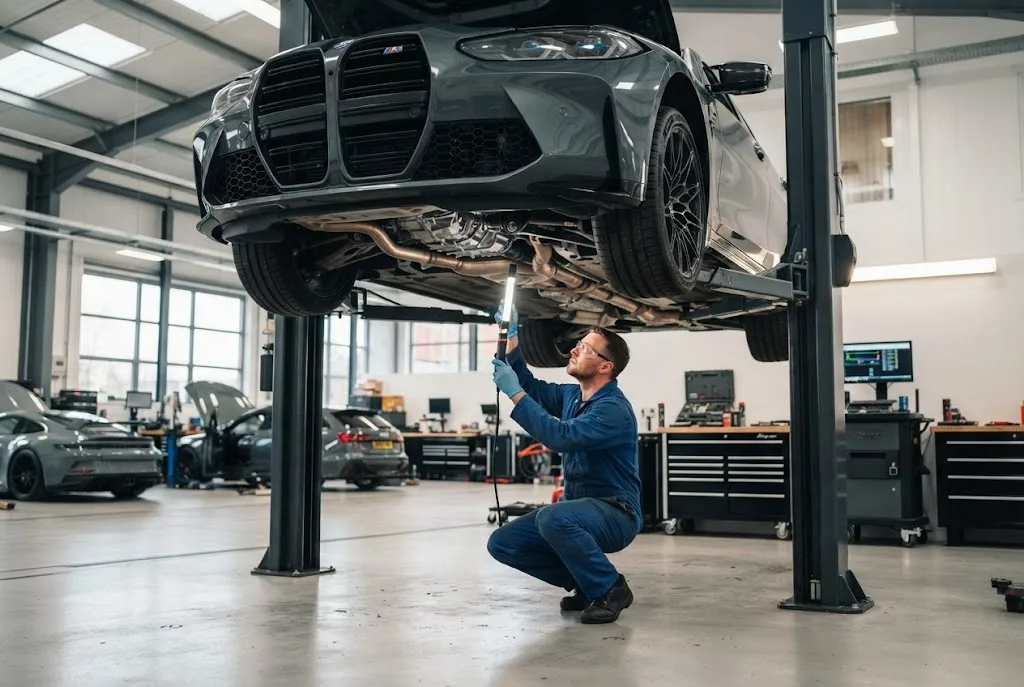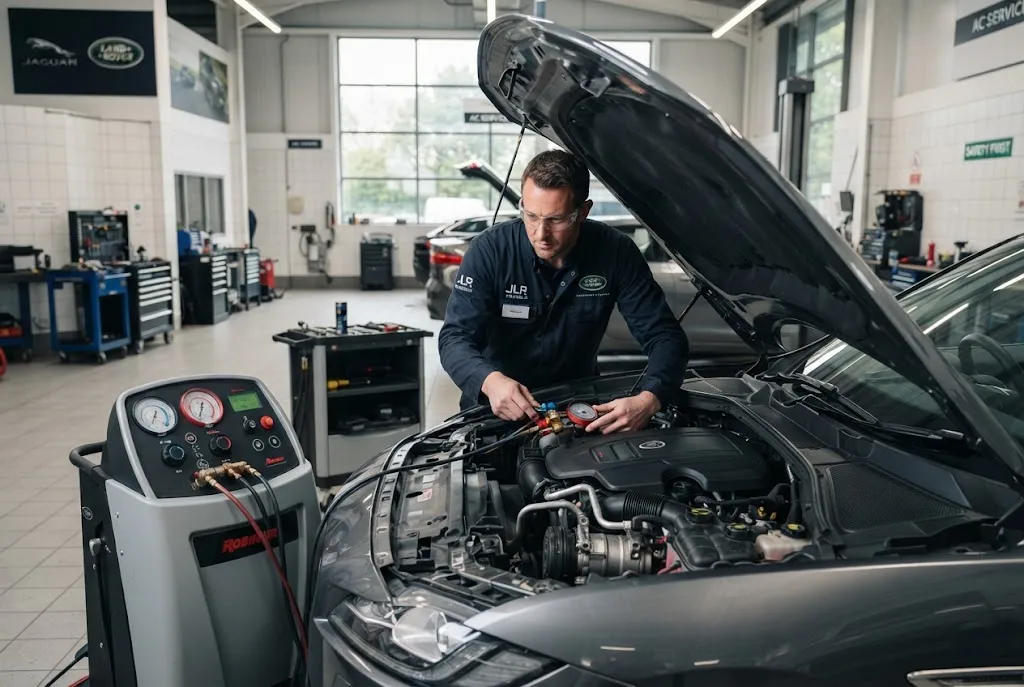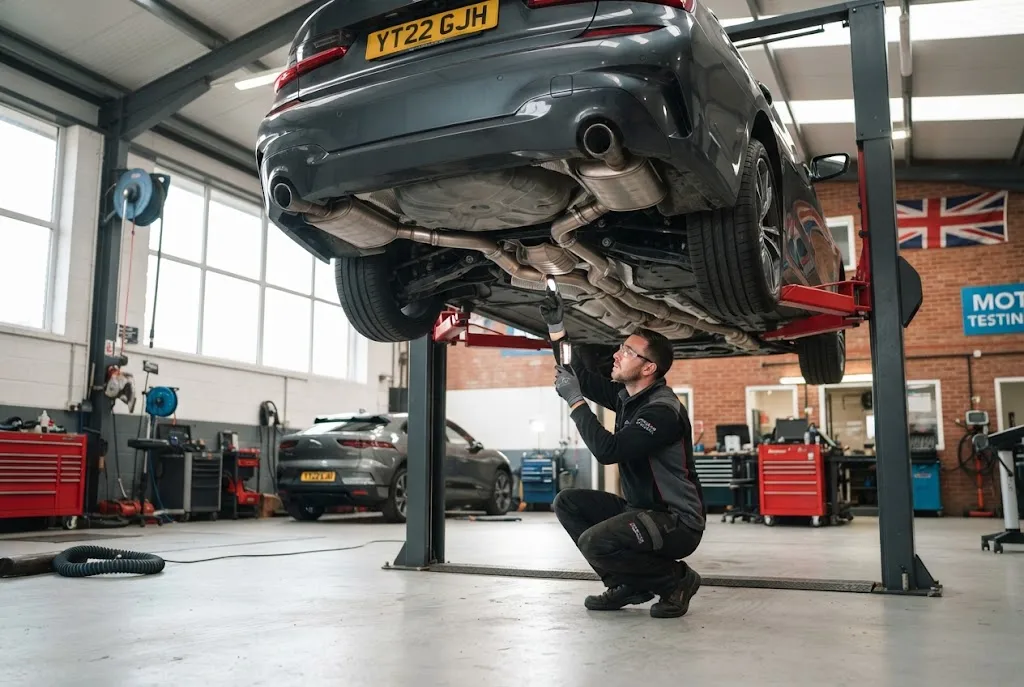
EV servicing is becoming an increasingly important part of vehicle ownership in the UK as more motorists switch from petrol and diesel cars to fully electric vehicles. Although electric cars have fewer conventional mechanical components, they still require regular inspections, maintenance and specialist diagnostics. Understanding electric vehicle maintenance can help owners choose the right workshop, recognise important terminology and make informed decisions about battery, charging and safety-related work.
Electric vehicles are different from conventional cars because propulsion comes from an electric motor powered by a high-voltage battery rather than an internal combustion engine. This removes some traditional servicing requirements, such as engine oil changes, but introduces other areas of specialist knowledge. EV mechanics may need to work with high-voltage systems, battery technology, charging equipment, regenerative braking and sophisticated electronic controls.
What Is EV Servicing?
EV servicing involves inspecting and maintaining the systems that allow an electric vehicle to operate safely and efficiently. The exact service requirements depend on the manufacturer, model, age, mileage and vehicle condition.
Unlike a conventional car, an EV does not normally require engine oil, spark plugs, exhaust-system maintenance or many of the other components associated with an internal combustion engine. However, that does not mean an electric vehicle is maintenance-free.
Tyres, brakes, suspension, steering, lights, windscreen components, cooling systems and other equipment still require appropriate inspection. Electric vehicles also have high-voltage batteries, electric motors, power electronics and charging systems that require specialised knowledge when faults occur.
Why EV Servicing Is Different
The biggest difference between EV maintenance and conventional vehicle servicing is the powertrain. An electric vehicle uses stored electrical energy to drive an electric motor, with electronic systems controlling how power moves between the battery and motor.
This means technicians need a different combination of mechanical, electrical and diagnostic skills. High-voltage systems also require appropriate safety procedures. The Health and Safety Executive explains that electric and hybrid vehicles can contain high-voltage systems that present additional risks to people working on them.
For owners, the practical lesson is straightforward: a garage that can handle routine mechanical work is not automatically equipped for every EV repair. When work involves the high-voltage system or traction battery, appropriate training, equipment and procedures become particularly important.
EV Mechanics and Specialist Training
EV mechanics need to understand more than the basic principles of electric motors. Modern electric cars combine high-voltage electrical systems with electronic control units, sensors, thermal management systems, charging hardware and conventional vehicle components.
Technicians may therefore need specialist training to safely isolate high-voltage systems, diagnose electrical faults and work on components associated with the traction battery.
Training is especially important because a high-voltage vehicle cannot simply be approached in the same way as a conventional 12-volt electrical system. The workshop needs to know which components can be safely accessed, how the vehicle should be isolated and which procedures apply to the specific model.
When choosing an EV garage, owners should ask whether technicians have appropriate electric-vehicle training and whether the workshop regularly works on the particular type of EV being serviced.
Electric Vehicle Maintenance: What Still Needs Checking?
Electric vehicle maintenance is often simpler in some areas than conventional car servicing, but several important components still require attention.
Tyres
EVs can place different demands on tyres because of vehicle weight, instant torque and driving characteristics. Correct tyre pressure, tread condition and overall tyre health remain essential.
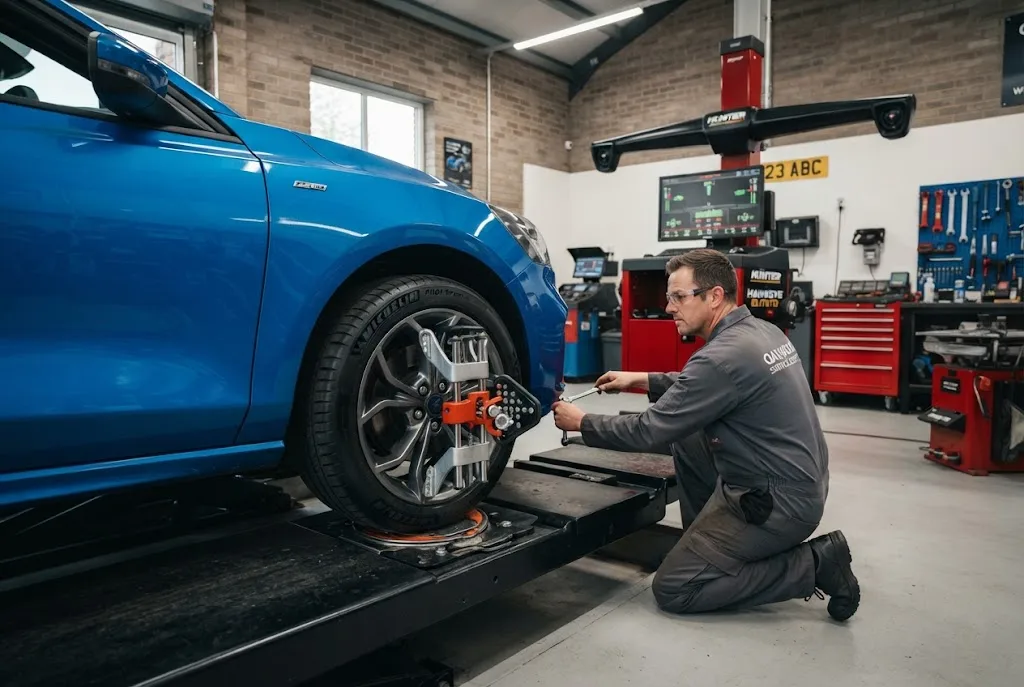
Uneven wear can also indicate a problem with steering, suspension or wheel alignment. A professional inspection should therefore consider the wider vehicle rather than focusing only on the tyre itself.
Brakes
Electric vehicles often use regenerative braking, which can reduce the amount of work performed by conventional friction brakes in certain driving conditions.
However, brake discs, pads, callipers and associated components still require inspection. Reduced use does not mean the braking system can be ignored.
Suspension and Steering
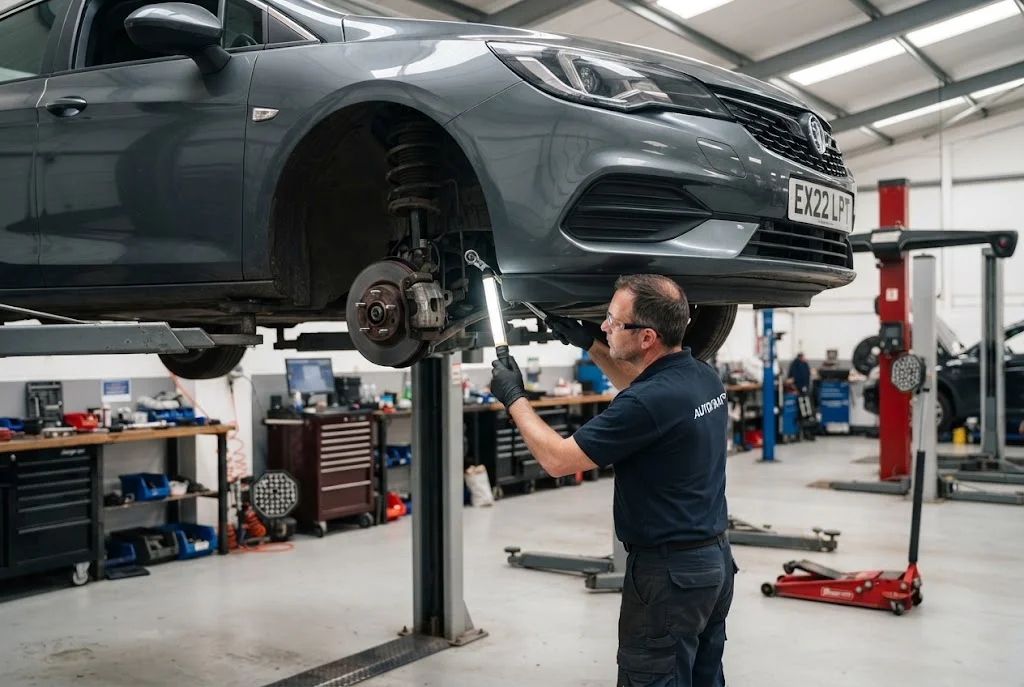
Suspension and steering components remain important to vehicle safety and handling. Bushes, dampers, joints and other components can wear regardless of the type of powertrain fitted to the vehicle.
Cooling Systems
Many EVs use thermal management systems to control temperatures within the battery, electric motor and power electronics. The exact system differs between manufacturers, but cooling can be important to vehicle performance and component longevity.
12-Volt Battery
Many electric vehicles still use a separate low-voltage 12-volt battery for conventional electrical systems. This battery is different from the high-voltage traction battery and can still experience normal battery-related problems.
EV Battery Servicing Explained
EV battery servicing is one of the areas that can cause confusion for new electric-car owners. The traction battery is a major component of an EV, but routine servicing does not necessarily mean opening or repairing the battery pack.
Depending on the manufacturer and vehicle, battery-related maintenance may involve diagnostic checks, monitoring battery performance, inspecting associated electrical systems or checking the thermal management system.
If a vehicle develops a battery fault, the correct repair depends on the cause. A warning message should not automatically be interpreted as evidence that the entire battery pack needs replacing.
Because traction batteries operate at high voltage, owners should not attempt to dismantle or repair them without the appropriate technical expertise. Specialist work should be carried out according to manufacturer procedures by suitably trained personnel.
Understanding EV Charging Systems
Charging systems are another important part of electric vehicle ownership. An EV can typically be charged using different types of charging equipment, depending on the vehicle and available infrastructure.
Home charging can provide convenient overnight charging, while public charging networks can support longer journeys. The vehicle, charging equipment and electrical supply must all be compatible with one another.
A charging problem does not necessarily mean that the vehicle’s main battery has failed. Potential causes can include the charging cable, charging point, communication between the vehicle and charger, onboard charging equipment or other electrical components.
This is why accurate diagnosis is important before replacing expensive components.
EV Diagnostics and Warning Lights
Modern EVs rely heavily on electronic control systems. When a fault occurs, the vehicle may display warning messages or store diagnostic information that can help technicians identify the problem.
EV diagnostics can involve specialised equipment capable of communicating with the vehicle’s electronic systems. However, diagnostic equipment should be used alongside proper technical assessment rather than treated as a substitute for diagnosis.
A fault code identifies information about a system; it does not always identify the exact component that needs replacing. Technicians may need to perform additional tests before recommending a repair.
For drivers, this is another reason to choose a workshop that understands the vehicle’s electrical architecture and has appropriate diagnostic capability.
Regenerative Braking and EV Maintenance
Regenerative braking is a key feature of many electric vehicles. When the vehicle slows down, the electric motor can operate in a way that recovers some kinetic energy and sends electrical energy back towards the battery.
This can change the balance between regenerative braking and conventional friction braking. As a result, an EV may have different brake-wear characteristics from a petrol or diesel vehicle.
Nevertheless, drivers should not assume that brake maintenance is unnecessary. Brake components can still corrode, wear or develop faults, particularly when they are used less frequently.
EV Terminology Every Owner Should Know
Understanding common EV terminology can make servicing conversations much easier.
BEV
BEV stands for Battery Electric Vehicle. It refers to a vehicle powered entirely by electricity stored in a battery rather than an internal combustion engine.
Traction Battery
The traction battery is the high-voltage battery that stores electrical energy for vehicle propulsion.
Electric Motor
The electric motor converts electrical energy into mechanical power that drives the vehicle.
Regenerative Braking
Regenerative braking allows the vehicle to recover some energy during deceleration and return it to the electrical energy storage system.
Onboard Charger
The onboard charger is an important component involved in converting electricity from an AC charging source into the form required to charge the vehicle’s battery.
DC Fast Charging
DC fast charging supplies direct current through compatible charging infrastructure and can provide substantially faster charging than many conventional AC charging arrangements.
How Often Does an EV Need Servicing?
There is no universal servicing interval for every electric vehicle. Manufacturers specify maintenance schedules according to the particular model and its systems.
Some EV service requirements may be based on time, mileage or both. Others may focus on inspections rather than the replacement of conventional engine-related consumables.
Owners should therefore check the vehicle handbook, manufacturer’s servicing information or official maintenance schedule rather than relying on a generic interval.
Regular inspections remain useful even when an EV has fewer moving mechanical components. Identifying tyre wear, brake issues, suspension problems, cooling-system concerns or charging faults early can help prevent more significant problems later.
Choosing a Garage for EV Servicing
Selecting the right workshop is an important part of electric vehicle ownership. Drivers should consider the nature of the required work before booking an appointment.
Check EV Experience
Ask whether the garage regularly services electric vehicles and whether its technicians have relevant training.
Ask About High-Voltage Capability
If the problem involves the traction battery, electric motor, power electronics or another high-voltage component, confirm that the workshop is equipped and trained to handle that type of work.
Check Diagnostic Equipment
Modern EVs depend heavily on electronic systems, so suitable diagnostic equipment can be important when investigating warning lights or electrical faults.
Understand the Service Package
Before authorising a service, ask what inspections and maintenance tasks are included. This prevents confusion over what the garage will actually check.
EV Servicing Compared With Hybrid Servicing
Electric and hybrid vehicles share some technologies, but their servicing requirements are not identical. A hybrid combines an electric drive system with an internal combustion engine, while a battery electric vehicle relies entirely on its electrical powertrain.
Understanding hybrid servicing can therefore help drivers appreciate the differences between the two types of electrified vehicle.
Hybrid owners still have engine-related maintenance requirements, while EV owners generally have fewer conventional powertrain components to maintain. However, both vehicle types can contain high-voltage systems that require appropriate safety procedures.
Common EV Maintenance Mistakes
One common misconception is that electric cars do not need servicing because they have fewer moving parts. Although EVs can require less routine powertrain maintenance, tyres, brakes, suspension, steering, cooling systems and electrical equipment still need attention.
Another mistake is assuming that every electrical warning means the traction battery has failed. Proper diagnosis is essential before expensive repairs are considered.
Owners should also avoid attempting high-voltage repairs without the required training and equipment. Electric vehicle technology should be treated as a specialist area when work goes beyond routine checks.
How EV Servicing Will Change UK Workshops
The growth of electric vehicles is changing the skills and equipment required by automotive workshops. Technicians increasingly need knowledge of high-voltage safety, battery technology, electrical diagnostics and software-controlled vehicle systems.
At the same time, conventional automotive skills remain important. EVs still use tyres, brakes, steering systems, suspension components, lights and other equipment found on many conventional vehicles.
The modern workshop therefore needs a broader skill set rather than simply replacing mechanical expertise with electrical knowledge.
For vehicle owners, this evolution means that workshop selection is becoming more important. The right garage should match the technical requirements of the vehicle and the work being requested.
Final Takeaway
EV servicing is different from traditional car maintenance, but electric vehicles are not maintenance-free. Their reduced mechanical complexity can remove some conventional servicing tasks while introducing new requirements involving high-voltage batteries, electric motors, charging systems, diagnostics and thermal management.
For UK EV owners, the most important step is to follow the manufacturer’s maintenance schedule and choose a workshop with suitable training and equipment. Routine inspections can still identify important issues with tyres, brakes, steering and suspension, while specialist technicians may be required for high-voltage or battery-related work.
As electric vehicles become a larger part of the UK’s automotive landscape, understanding EV terminology and maintenance requirements will help drivers make better decisions about servicing, repairs and workshop selection.
For official information about working safely with electric and hybrid vehicles, motorists and automotive professionals can consult the HSE guidance on electric and hybrid vehicles.