

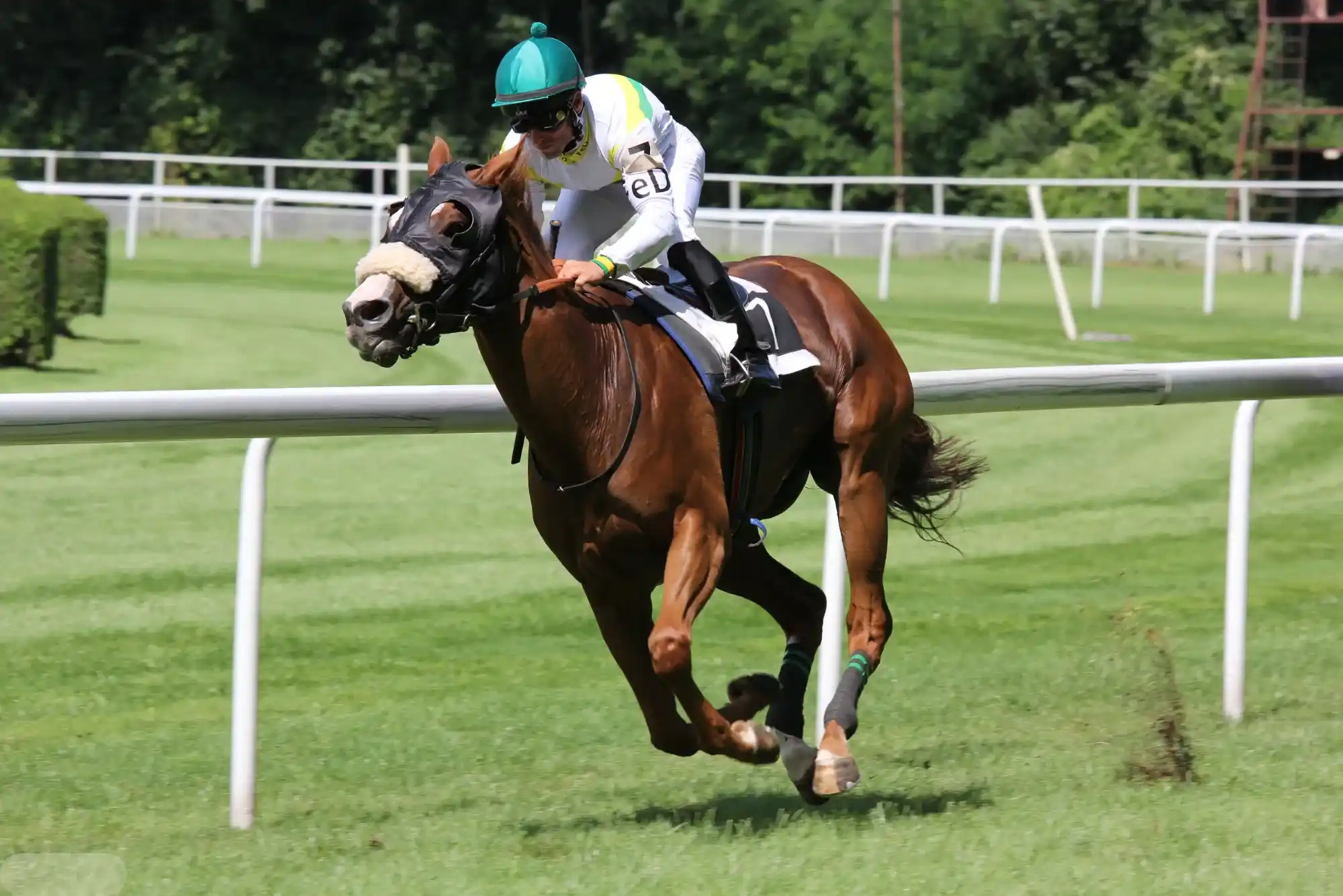
The thunderous pounding of hooves, the whirr of hearts racing, the electric crackle of the crowd – horse racing betting odds are at the heart of every punter’s dream. Whether you’re new to the sport or a seasoned bettor, understanding those odds is the key to unlocking both excitement and profit. In this thriving world of turf and track, your ability to read, interpret, and leverage odds can make all the difference between a thrilling triumph and a painful loss.
Imagine standing at the rails on a crisp morning: the mist lifting off the grass, the pungent scent of leather saddles, and the distant chatter of jockeys. Behind that sensory rush lies a complex, yet beautiful system – a system shaped by data, probability, and betting markets. For many bettors, these numbers look like a jumble of fractions or decimals, but in reality they narrate a story: the probability of a horse winning, the balance of risk, and the potential reward.
It’s this very narrative that drives the pulse of the wagering world. That’s why mastering horse racing betting odds isn’t just about picking winners; it’s about understanding value, timing, and market movement in real time. With the right approach, you can spot opportunities that others miss, exploit shifts in probability, and build a sharp, informed strategy that sets you apart.
Understanding Horse Racing Betting Odds
At its core, horse racing betting odds represent a translation of probability into potential payout. These odds articulate how likely (or unlikely) a horse is to win, placing, or showing – and they simultaneously determine how much you stand to earn on a successful wager. Visualize a bookmaker’s board: the odds displayed in bright lights, the fractional lines or decimal points, beckoning bettors to choose. These figures are not arbitrary; they reflect intensive analysis by bookmakers who weigh past performances, track conditions, jockey form, and betting volume. Every decimal or fraction tells a story about risk versus reward, and the most successful bettors read those stories like a seasoned novelist.
When you place a bet, you’re doing more than backing a horse – you’re aligning yourself with the underlying probability the market assigns. A favorite with short odds might feel safe, but the reward is modest; a longshot with long odds feels thrilling, but the risk is steep. Learning to interpret these odds is like learning a language: once you speak it, you gain a powerful lens through which to view every race, every horse, and every betting opportunity.
How Odds Are Calculated and What They Mean
The calculation of horse racing betting odds involves sophisticated models, market forces, and continuous adjustments. Bookmakers start with fundamental assessments: a horse’s past performance, pedigree, trainer record, jockey history, and even environmental conditions like track moisture or wind. But raw assessments alone don’t determine odds – the market does. As more punters bet on a particular horse, the odds tighten or shorten, signaling that the collective belief in that horse’s ability to win is high. Conversely, if fewer bets flow to another runner, its odds drift outward, offering bigger potential payouts but signaling skepticism from the market.
This dynamic process of adjusting odds based on real-time betting volume, known as pari-mutuel or fixed-odds betting, demands constant vigilance. Bookmakers balance their books to manage liability while still attracting bets, and they sometimes shift odds dramatically in the minutes before a race starts. For the bettor, understanding how this works provides a tactical edge: you can anticipate late market moves, target value where mispricings exist, and time your bets to maximize profit. Knowing how odds move and why they move is the difference between being reactive and being strategic.
Types of Betting Odds in Horse Racing
There are several common formats of horse racing betting odds: fractional, decimal, and moneyline (or American) odds. Fractional odds, traditional in the UK and Ireland, look like “5/1” or “11/4” – meaning you’ll win £5 for every £1 wagered at 5/1, or £11 for every £4 at 11/4. Decimal odds, more common in European and online markets, present as “6.00” or “3.75”, by directly multiplying your stake by the number to get your total return. Moneyline odds, widely used in the U.S., may show as “+500” or “-200”: positive means how much profit on a $100 bet, negative shows how much you need to bet for a $100 profit.
Each format tells the same story – but is read differently and appeals to different bettors. Seasoned punters often convert between them in their heads, quickly computing implied probability and value. For instance, 5/1 fractional odds translate to a roughly 16.67% chance of winning, while a decimal odd of 6.00 signals the same. When you master these formats, you can scan international markets, compare pricing, and identify where value may lie broken down by geography or platform. This fluency gives you flexibility: you’re not tied to one bookmaker or style – you can consistently hunt the platforms or formats that give you the best edge.
Real-World Examples and User Experiences
Consider the story of Sarah, a retail punter from Newmarket, who once backed a lightly regarded filly at odds of 20/1. Pre-race, the market barely gave her a chance – yet Sarah, diving deep into form data, noticed a calm stride and a favorable draw that most bettors overlooked. She placed a modest stake, partly as a bet but largely as a test of her analysis. When that filly thundered past the leaders in the final furlong, Sarah’s ticket returned a hefty payout, turning a small risk into a life-affirming reward. Her experience is not rare among sharp bettors – it’s the kind of payoff that makes mastering horse racing betting odds deeply satisfying.
On the flip side, John, a seasoned bettor in Sydney, once lost a sizable wager on a favorite who seemed unbeatable. The odds were short, but he backed heavily, confident that strength-in-form trumped risk. The horse clipped a rail, stumbled, and faded, and John’s loss was a harsh wake-up call: odds represent probability, not certainties. John now uses a more disciplined approach, balancing longshots and favorites, hedging when markets shift, and always valuing the risk implied by the odds. His journey underlines a universal truth: even the most resilient strategy must respect the underlying probabilities conveyed by the odds.
Importance of Licensing, Security, and Fair Payouts
In the realm of horse racing betting odds, trust is paramount. The best betting platforms operate under strict regulatory licensing, often supervised by recognized authorities such as the UK Gambling Commission, Malta Gaming Authority, and other reputable jurisdictions. Licensed platforms guarantee transparency, fair play, and adherence to strict capitalization requirements. Experienced bettors insist on such oversight – because when odds shift rapidly in the lead-up to a race, they need to know that payouts will be honored swiftly and securely. Reputable operators also employ advanced encryption, secure payment systems, and robust customer verification to protect your funds and sensitive data, ensuring that every transaction remains private and locked down.
Verified payouts are another critical pillar. Before staking significant sums, wise bettors look for operators who publish payout audits or use independent testing firms. They check user reviews, regulatory reports, and fair-play certifications. A platform that boasts responsive customer service – with live chat, e‑mail, and 24/7 support – inspires confidence. When combined, these elements establish a foundation of **EEAT** (Expertise, Authoritativeness, Trustworthiness): you’re not just gambling – you’re engaging in a transparent, professionally run marketplace. Without that solid trust infrastructure, even the sharpest analysis of horse racing betting odds could expose you to unacceptable risk.
Strategies to Use Odds Wisely
Strategic bettors approach horse racing betting odds like chess players: each move is deliberate, based on analysis, probability, and market conditions. One powerful approach is value betting – identifying when the odds offered by the bookmaker are longer than the “true” probability justifies, based on your own assessment. For example, if you calculate a horse’s chances as 20%, but the odds suggest just 10%, you may have found value. By consistently staking at value, you give yourself a long-term edge. Another strategy is hedging: placing bets on different horses or outcomes to lock in profit or reduce risk as the market shifts. If a live market moves unfavorably but still offers some return, you can hedge to protect your position.
Traders also employ trend spotting: using form guides, speed figures, and pace analysis to foresee odds drift or shortening. If early betting money floods onto a horse, sharp bettors might wait to snatch better odds before the market stabilizes. Alternatively, they might front‑load their bet before expected shifts. Then there are accumulator or exotic bets – placing multiple selections into a single wager. While risk is higher, the payoff – when odds multiply – can be huge. But even for these, the key is discipline: only bet on value, only stake what you can afford, and always factor in a margin of error. That disciplined mindset, rooted in a profound understanding of horse racing betting odds, distinguishes amateur gamblers from strategic bettors.
Live Betting and In‑Play Odds
The world of live betting adds a thrilling layer of complexity. In-play odds dynamically shift as the race unfolds – horses surge, fade, traffic builds, and jockeys react, and the market responds in real time. Imagine standing at the track, windows framed by green rails, the wind whipping past your ears as horses turn for home. On a mobile or laptop, you see the odds wobble: a mid-pack runner begins to overtake, and its odds crash shorter; a favorite stumbles, and the odds drift in response. Savvy bettors monitor in-play prices, ready to pounce when they spot mispricings created by sudden momentum or unexpected surges.
Live betting requires agility, nerve, and a clear strategy. You might hedge pre-race bets based on how the in-play market moves, or place fresh live wagers when a horse appears undervalued. Some platforms even offer cash-out options – letting you lock in a profit or cut a loss before the finish line. Managing latency, reacting to streaming delays, and choosing a resilient bookmaker with real-time feeds are all part of the skill set. When you master live horse racing betting odds, you’re not just reacting: you’re anticipating, analyzing, and acting with precision, turning every twist and turn into potential opportunity.
Risks, Responsible Betting, and Customer Support
Even with the most refined understanding of horse racing betting odds, there is risk. A horse may tire, stumble, or simply get outpaced. Market liquidity may ebb, leaving fewer opportunities, or odds may suddenly shift due to insider money or late scratches. That’s why responsible betting is not optional – it’s essential. Smart bettors set strict bankroll limits, employ stop-loss rules, and avoid chasing losses based solely on emotion. They understand that every bet is a calculated risk, not a guaranteed payoff, and they allocate their funds accordingly.
When risk materializes, responsive customer support becomes critical. Reputable platforms offer 24‑hour assistance via live chat, email, or phone, and maintain transparent policies for disputes, withdrawal verification, and payout timelines. Customers who have experienced delays or irregularities often cite strong support as their differentiating factor – the reassurance that real people are available to resolve issues, verify their bets, and uphold fairness. Responsible gambling tools – such as deposit limits, self-exclusion, and reality checks – offer practical protection, and using them demonstrates discipline and respect for the inherent unpredictability of horse racing betting odds.
Why Current Trends Make Odds More Competitive
Today’s betting landscape is particularly exciting. Advances in data analytics, machine learning, and real-time market intelligence have made odds more efficient, sharper, and more responsive than ever before. Bookmakers now integrate GPS tracking, biometric data of horses, and live pace metrics to set odds that reflect minute-by-minute performance projections. Simultaneously, bettors employ proprietary algorithms, crowd‑sourced form tools, and social betting intelligence to spot discrepancies. This confluence intensifies competition – and that benefits you. More efficient markets mean tighter spreads, but they also generate more opportunities for skilled bettors to identify undervalued runners before consensus catches up.
Furthermore, the proliferation of new markets – such as micro-betting on sectional times, photo finish bets, or fractional exotics – adds depth and nuance. This variety allows you to diversify your betting portfolio, spreading risk across traditional win/place bets and more exotic formats. Coupled with mobile platforms offering seamless live streaming and in-play wagering, this evolution has democratized access. Whether you’re placing a modest punt or engaging in high-volume trading, you’re competing in a dynamic, transparent ecosystem driven by data, technology, and real money. The race to exploit every shade of value in the odds has never been more compelling.
Call to Action: Getting Started Safely
Now is the moment to level up. If you’re ready to harness the power of horse racing betting odds with strategy, integrity, and control, don’t wait. Choose a licensed, regulated bookmaker with proven liquidity, fair payout history, and responsive customer support. Start by placing small, value-driven bets – gain experience, track your ROI, and refine your interpretation of odds over time. Use in-play opportunities wisely, hedge when it makes sense, and always respect your bankroll. Sign up with a trusted platform, explore their odds markets, and test your instincts without rushing into massive stakes immediately.
Fortify your journey with smart tools: use odds calculators, form guides, pace analysis, and live data feeds. Subscribe to expert insights, but trust your own research. Monitor your performance, identify patterns, and scale up gradually. Bet confidently, responsibly, and strategically. The track is waiting – with every heartbeat of possibility, every surge of value, and every dynamic movement of the odds. Take the leap now, stake thoughtfully, and begin mastering horse racing betting odds today. The race won’t wait.
